.webp)
How to Move Large & Heavy Furniture Without Damaging Your Home
Written by:
Superior Moving & Storage
Published:
June 18, 2026
Learn expert tips for moving large, heavy furniture without scratching floors or damaging walls — plus when to call professional movers for the toughest pieces.
Learning how to move large heavy furniture safely is one of the most practical skills you can develop before any relocation. Sofas wedged in stairwells, gouged hardwood floors, cracked doorframes — these are the injuries that turn a manageable moving day into an expensive disaster. At Superior Moving & Storage, we handle oversized and heavy furniture every single day, and the same core techniques that protect our customers' homes are available to anyone willing to plan ahead.
This guide walks you through exactly how to assess, prepare, disassemble, protect, and move your heaviest pieces — room by room and step by step — so you arrive at your new home with your furniture (and your walls) intact.
Assess Each Piece Before You Touch It
The single biggest mistake people make with heavy furniture is moving it before they understand it. A few minutes of assessment up front saves hours of frustration — and potentially hundreds of dollars in repairs.
Measure Everything Twice
Before attempting to move any large piece, measure it: height, width, and depth. Then measure every doorway, hallway, and stairwell it needs to pass through. Don't forget to account for door frames, light fixtures, and stair railings. A sofa that fits through a doorway lying flat may not fit upright — and knowing this in advance means you can plan the angle of entry rather than discover it mid-move.
Check for Disassembly Options
Many pieces of furniture that appear immovable actually come apart more easily than you'd think. Bed frames, sectional sofas, modular shelving units, dining tables with removable leaves, and wardrobe armoires often have hidden fasteners or knock-down hardware. Removing legs, shelves, or cushions before a move can reduce a piece's bulk by 30–50%, making it far easier to maneuver through tight spaces.
Know Your Weight Limits
A king-size solid-wood sleigh bed can weigh 300 pounds or more. A large stone-topped dining table may exceed 400 pounds. Moving these items safely requires more than two people and often specialized equipment. If a piece feels too heavy to lift safely, it probably is — and that's a sign to consider bringing in labor-only moving professionals who have the tools and training to handle it properly.
Gather the Right Equipment
Professional movers don't rely on brute strength — they rely on the right tools. Having even a basic set of moving equipment dramatically reduces the risk of injury to yourself and damage to your home.
Moving Blankets and Furniture Pads
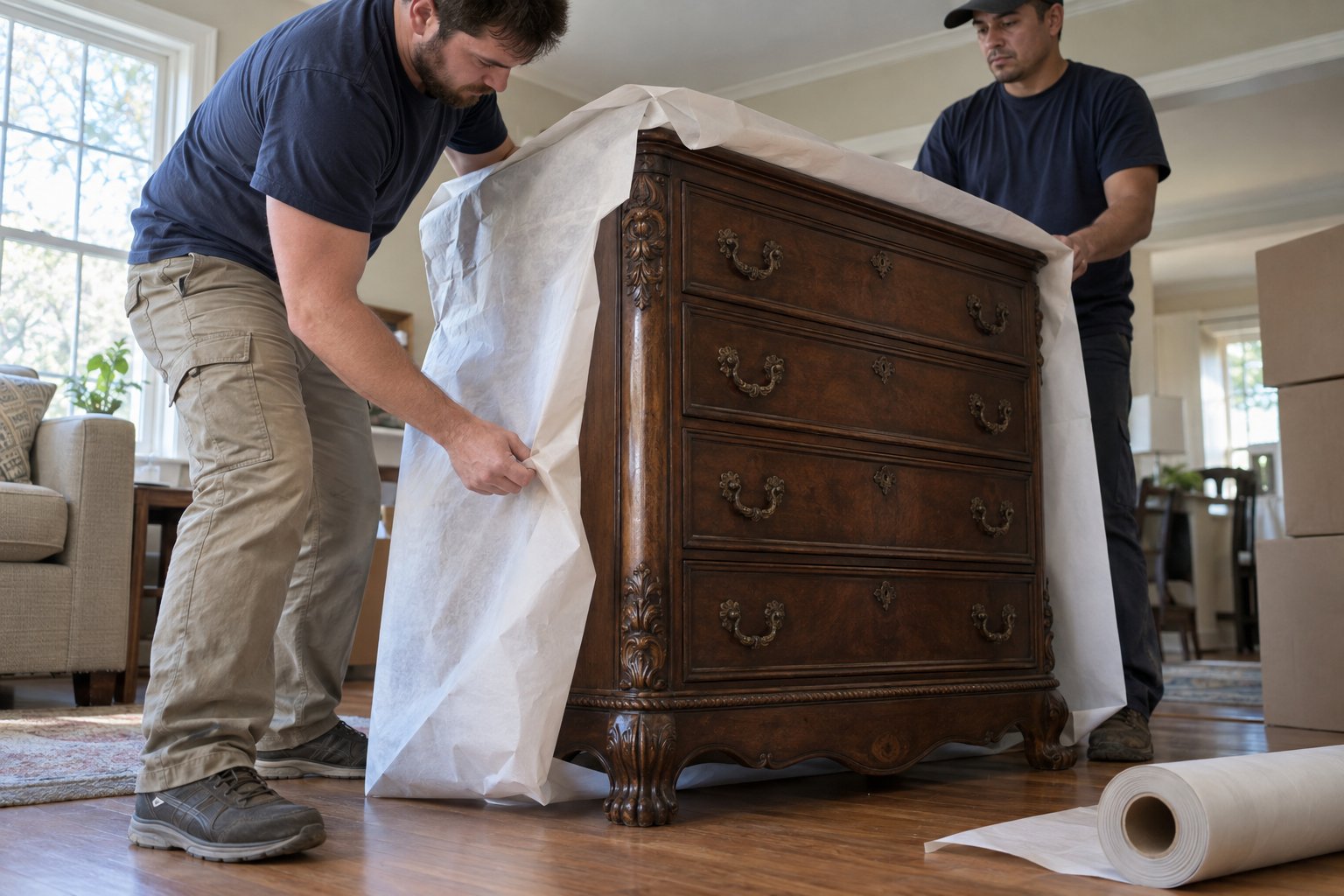
Thick moving blankets are essential for wrapping any piece that has finished wood surfaces, glass panels, or upholstery. Wrap corners and edges especially well — these are the areas most likely to catch on doorframes or scrape against walls. Most moving supply stores sell or rent moving blankets, and professional movers always bring them in abundance.
Furniture Sliders
Furniture sliders — small discs placed under each leg or corner of a heavy piece — are one of the most useful tools in any mover's kit. They allow you to glide heavy furniture across hardwood, tile, or carpet with a fraction of the effort required to lift it. Use hard plastic sliders on carpet and felt sliders on hard floors to avoid scratching.
Dollies and Hand Trucks
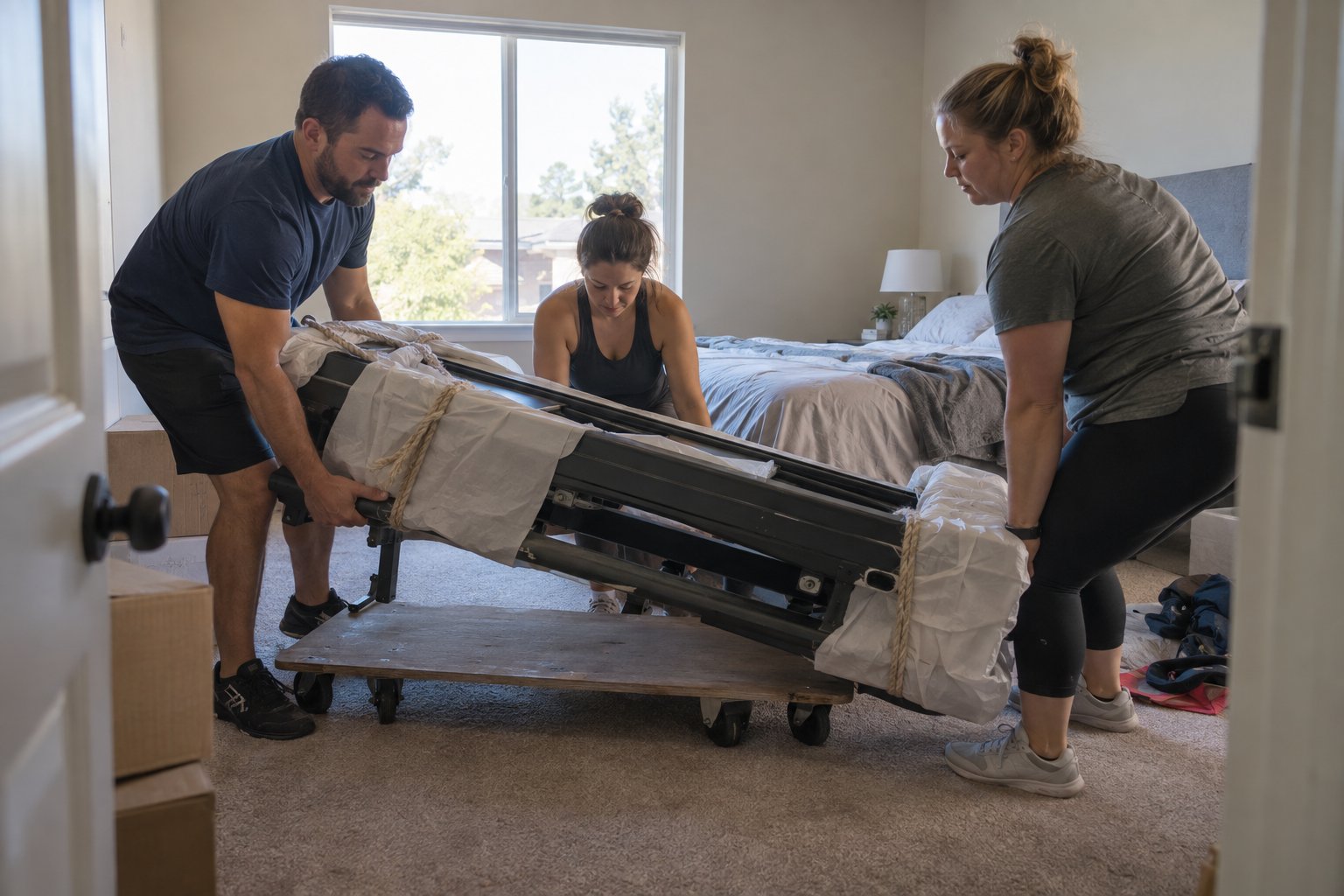
A four-wheel furniture dolly is ideal for flat, heavy pieces like dressers, refrigerators, and bookshelves. Tilt the piece carefully onto the dolly with a helper, strap it securely, and roll it to the truck. A two-wheel hand truck works better for tall, stackable items. Having both on hand gives you flexibility for different furniture types.
Moving Straps and Harnesses
Forearm moving straps allow two people to lift and carry heavy items using their arm and shoulder muscles rather than their lower back — significantly reducing injury risk. These are especially useful on staircases where dollies can't easily be used.
Protect Your Floors, Walls, and Doorframes
Even the most careful movers can cause accidental damage if they haven't taken basic protective steps. A few dollars of supplies can prevent thousands of dollars in repairs to your home.
Lay Down Floor Protection
Before you start moving furniture, lay down ram board, rosin paper, or old carpet runners on any high-traffic areas — hallways, entryways, and anywhere heavy items will be dragged or rolled. This protects hardwood floors from scuffs and scratches caused by grit tracked in from outside or by the edges of furniture and dollies.
Pad and Tape Doorframes
Doorframes are remarkably easy to chip, dent, or crack when a large piece of furniture swings through. Wrap vulnerable corners and frames with moving blankets or foam pipe insulation secured with painter's tape (which won't damage paint when removed). Pay special attention to the corners at both the top and sides of each frame.
Use Corner Guards on Walls
Adhesive corner guards on drywall corners at the ends of hallways protect against the inevitable bumps that occur when navigating oversized items. These are cheap, easy to apply, and prevent costly drywall repairs.
Techniques for Moving Specific Heavy Items
Different types of furniture present different challenges. Here's how to approach the most common heavy pieces.
Sofas and Sectionals
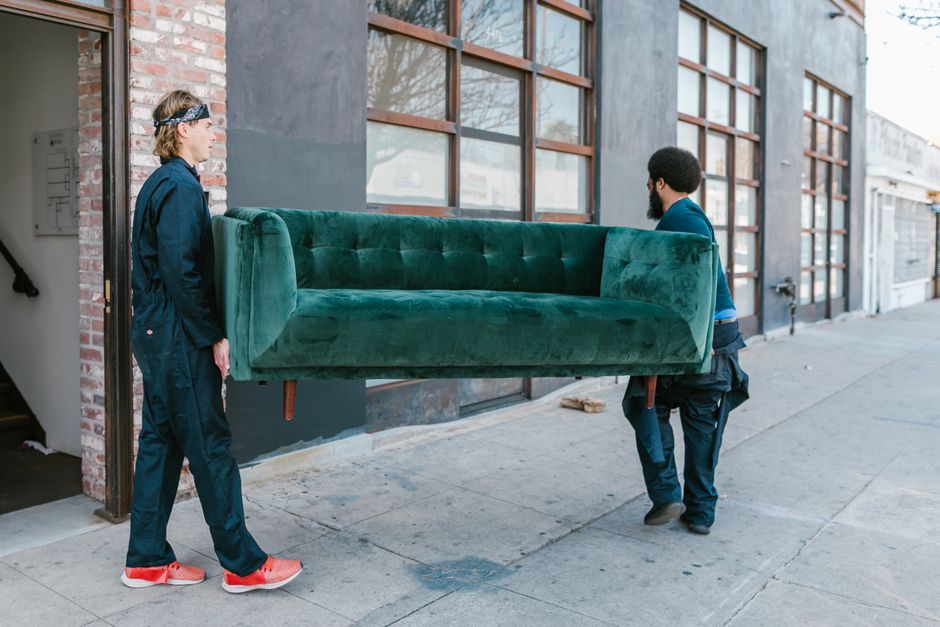
The classic challenge with a sofa is navigating the 90-degree turn from hallway to room — or the turn at a staircase landing. The professional trick is to "hook" the sofa: tilt it vertically on one end and rotate it around the corner. If it still won't fit, remove the sofa's legs (usually four screws) to gain a few critical inches. Sectionals should always be split into their individual segments before moving.
Dressers and Armoires
Always empty drawers completely before moving a dresser — a full dresser can weigh twice as much as it needs to, and shifting weight inside drawers makes it unpredictable to carry. Remove drawers entirely and transport them separately, wrapped in moving blankets. Armoires with removable backs or top sections should be disassembled whenever possible.
Dining Tables and Desks
Remove all leaves from dining tables and transport them wrapped separately. Flip the table upside down on a moving blanket, remove the legs (if they detach), wrap the tabletop, and stand it on its side in the truck. Solid wood desks with hutch components should have the hutch removed and moved independently.
Pianos and Other Specialty Items
Upright and grand pianos are among the most challenging items to move — not just because of their weight (often 400–800 pounds), but because of their structural complexity and value. Moving a piano incorrectly can damage its internal components permanently. For pianos, large safes, antique furniture, or any item requiring special handling, our specialty moving services team has the equipment and expertise to do the job right.
Loading the Moving Truck Correctly
How you load the truck matters just as much as how you move items out of your home. Poor loading leads to shifting loads, damaged furniture, and dangerous driving conditions.
Heaviest Items Go In First Against the Cab Wall
Load the heaviest, most solid pieces first — dressers, refrigerators, washing machines — against the front wall of the truck (closest to the cab). This keeps the center of gravity low and forward, which is safest for driving. Tall pieces like armoires and bookshelves should be strapped upright against the walls of the truck.
Fill Vertical Space and Strap Everything
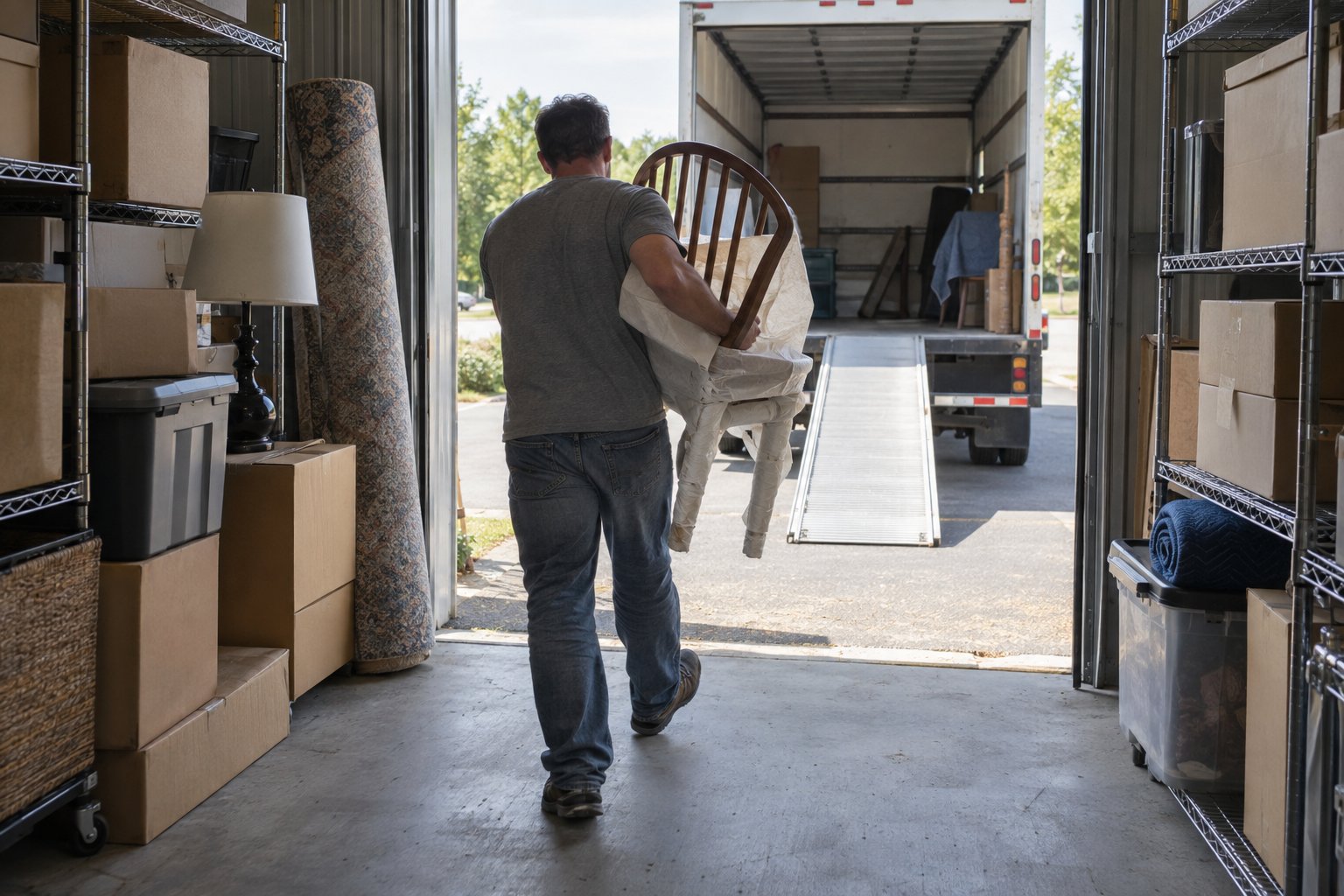
Stack lighter boxes on top of heavy furniture to maximize vertical space. Use ratchet straps or rope to tie every large item to the truck's anchor points. Nothing should be able to slide or tip during transit, even during hard braking or sharp turns.
Wrap Exposed Surfaces Throughout
Even inside the truck, furniture surfaces can rub against each other in transit. Keep moving blankets between any two pieces that share a wall — especially anything with a wood finish or mirror surface.
When to Call Professional Movers Instead
There's no shame in recognizing when a job exceeds what's safe to DIY. If you have multiple large items, a multi-story home, a narrow staircase, antiques, or simply don't have enough able-bodied help, professional movers will save you time, protect your property, and significantly reduce the risk of injury.
At Superior Moving & Storage, our crews arrive with all necessary equipment — dollies, straps, blankets, floor protection — and the experience to navigate even the most challenging layouts. Whether you need a full-service move or just extra hands for the heavy lifting, our local moving team is ready to help make your move as smooth as possible.
Frequently Asked Questions
How do I move heavy furniture without scratching hardwood floors?
Use felt furniture sliders under each leg or corner of the piece to glide it across the floor without contact. Lay down protective floor coverings like ram board or rosin paper on any high-traffic path. Avoid dragging furniture without protection — even a single piece of grit caught under a leg can leave deep scratches in hardwood.
Is it safe to move a heavy piece of furniture by myself?
Most large or heavy furniture — anything over 75–100 pounds, or any oversized piece — should not be moved solo. You risk both personal injury (back strain, dropped items) and property damage. At minimum, recruit a second person. For very heavy items like pianos, large safes, or stone-topped furniture, it's best to hire professional movers who have the proper equipment and training.
Should I disassemble furniture before moving it?
Yes, whenever possible. Disassembling furniture reduces weight, makes pieces easier to maneuver through doorways and around corners, and decreases the risk of damage. Remove legs from sofas and tables, take drawers out of dressers, split sectionals into segments, and detach shelving from bookcases. Keep all hardware in labeled zip-lock bags taped to the piece it belongs to.
What equipment do I need to move heavy furniture?
The essential equipment includes: moving blankets or furniture pads, furniture sliders (felt for hard floors, hard plastic for carpet), a four-wheel furniture dolly, a two-wheel hand truck, ratchet straps, and forearm moving straps for staircase carrying. Floor protection (ram board or carpet runners) and foam padding for doorframes are also strongly recommended.
How do I get a large sofa through a narrow doorway or around a tight corner?
First, remove the sofa's legs — this gains several inches of clearance. Then tilt the sofa vertically on one end and rotate it around the corner in a hooking motion. If it still won't fit, measure the sofa's diagonal height and compare it to the doorway height; the diagonal measurement is often small enough to pass through when no other orientation works. If the sofa truly cannot fit, it may need to be moved through a larger window opening or hoisted — a technique our specialty team is equipped to handle.
Have Questions About Your Move?
Find clear answers to common moving questions. Learn more about our services, process, and what to expect on moving day.
Our team is here to help. Contact us for personalized assistance with your moving needs.
Ready for a Stress-Free Move?
Let our family help your family with a move handled the right way from start to finish. Request your free quote today and see why Philadelphia families have trusted us since 1981.