.webp)
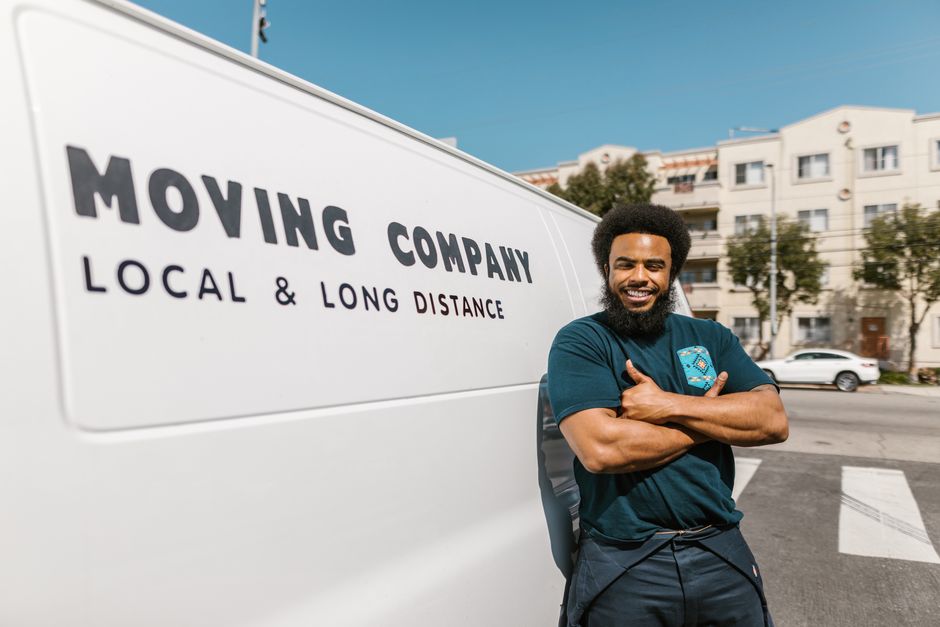
How to Vet a Moving Company: Red Flags to Watch For Before You Book
Written by:
Superior Moving & Storage
Published:
July 27, 2026
Learn how to vet a moving company before booking, including licensing checks, quote red flags, and questions to ask so you avoid rogue movers and hidden fees.
Hiring movers requires a certain amount of trust: you are handing over your furniture, your electronics, and often your most sentimental belongings to a crew of strangers. That is exactly why learning how to vet a moving company before you sign a contract is one of the most important steps in planning any relocation. Rogue movers and low-quality operations rarely announce themselves outright, but they almost always leave clues if you know what to look for.
This guide walks through the practical steps for researching a moving company, the red flags that should make you pause, and the questions worth asking before you commit a deposit.
Why Vetting Matters More Than Getting the Lowest Price
It is tempting to book whichever company quotes the lowest number, but moving is one of the few industries where the cheapest option can end up costing the most. Lowball estimates are sometimes used to get a foot in the door, with fees added later for stairs, long carries, packing materials, or "additional" items that were somehow left off the original inventory. A thorough vetting process protects you from surprise charges, damaged belongings, and in worst cases, a truck that never shows up on moving day.
Instead of choosing based on price alone, treat the selection process like hiring a contractor for your home. You want a company that is transparent, properly licensed, and willing to answer questions without pressure tactics.
Step 1: Confirm Licensing and Insurance
Any legitimate moving company should be able to provide proof of proper licensing. For moves that cross state lines, movers are generally required to have a USDOT number issued by the Federal Motor Carrier Safety Administration (FMCSA), which you can look up on the FMCSA's public website to check complaint history and registration status. For moves within a single state, licensing requirements vary, so it is worth checking with your state's consumer protection or transportation agency.
Insurance is just as important as licensing. Ask specifically about the level of liability coverage included in your quote versus optional full-value protection. A company that cannot clearly explain the difference, or seems evasive about coverage, is a warning sign.
Questions to Ask About Licensing
- Can you provide your USDOT or state license number in writing?
- What type of liability coverage is included by default?
- Is full-value protection available, and what does it cost?
- Do you carry general liability insurance for damage to the property itself, not just belongings?
Step 2: Read Reviews Critically, Not Just Star Ratings
Star ratings alone do not tell the full story. A handful of reviews can be inflated or, in rare cases, fabricated, so it helps to read the actual text of reviews across multiple platforms rather than relying on one source. Look for patterns: are there repeated complaints about hidden fees, late arrivals, or damaged items? Does the company respond to negative reviews professionally, or not at all?
It is also worth checking whether a company has a long-standing presence in your area. Established, family-owned moving services with years of history in the community tend to have a reputation to protect, which generally translates into more consistent service.
Step 3: Watch for Red Flags During the Estimate Process
How a company handles your initial quote can tell you a lot about how they will handle your actual move. Be cautious if you notice any of the following:
- No in-home or virtual walkthrough. Reputable movers typically want to see your belongings, either in person or via video, before giving a binding estimate. A quote given over the phone with no inventory review is often unreliable.
- Large upfront deposits. While a modest deposit is common, demands for large cash payments before the move should raise concern.
- No physical business address. A legitimate mover should have a verifiable office or warehouse location, not just a phone number and a website.
- Vague or unmarked trucks. Professional movers typically use branded vehicles and uniforms. Unmarked rental trucks can be a sign of an unlicensed operation subcontracting the job.
- Pressure to sign immediately. Reputable companies allow you time to compare quotes and think things over.
Step 4: Compare Services, Not Just Price
Once you have a shortlist of vetted companies, compare what is actually included in each quote. Some movers offer full packing services as part of the estimate, while others charge separately for materials and labor. If you have specialty items like pianos, artwork, or antiques, ask whether the company has experience with specialty moving services, since not every general mover is equipped to handle delicate or oversized pieces safely.
If your move involves a storage gap between homes, it is also worth asking whether the company offers its own storage services, which can simplify logistics compared to coordinating a separate storage facility and a separate moving crew.
Step 5: Get Everything in Writing
Before moving day, make sure you have a written, itemized estimate that lists the inventory, any additional fees (stairs, elevators, long carries), the pickup and delivery window, and the total cost. Verbal promises are not enforceable, so anything a sales representative tells you should be reflected on paper. Read the contract fully, including the fine print about liability, cancellation policies, and what happens if delivery is delayed.
Trust Your Instincts
Beyond checklists and paperwork, pay attention to how a company communicates with you throughout the quoting process. Are they responsive to questions? Do they explain their process clearly? Do their answers match what you find in your own research? A company that is upfront about costs, licensing, and limitations is generally one you can trust to show up and do the job right.
Taking the time to properly vet a moving company before booking is a small investment that can save you significant stress, money, and heartache on moving day. When in doubt, choose the mover that is transparent, well-reviewed, and willing to answer every question you ask.
Frequently Asked Questions
What is the most important document to ask a moving company for?
Ask for their USDOT number if the move crosses state lines, or their state license number for local moves. You can verify this information independently through the FMCSA website or your state's transportation agency before booking.
Is a large deposit before the move a red flag?
A modest deposit is common and reasonable, but a mover demanding a large cash payment upfront, especially before providing a written estimate, should raise concern. Reputable movers typically collect the bulk of payment at delivery.
How can I tell if online reviews are trustworthy?
Read the full text of reviews across multiple platforms rather than relying on star ratings alone. Look for consistent patterns in complaints or praise, and see whether the company responds professionally to negative feedback.
Should I get estimates from more than one moving company?
Yes, comparing at least three written estimates is a good practice. This helps you spot outliers, whether unusually low quotes that may hide fees or unusually high ones, and gives you leverage to ask informed questions.
What should be included in a written moving estimate?
A proper written estimate should list the full inventory, any additional fees such as stairs or long carries, the pickup and delivery timeframe, and the total cost, including whether it is binding or non-binding.




Have Questions About Your Move?
Find clear answers to common moving questions. Learn more about our services, process, and what to expect on moving day.
Our team is here to help. Contact us for personalized assistance with your moving needs.
Ready for a Stress-Free Move?
Let our family help your family with a move handled the right way from start to finish. Request your free quote today and see why Philadelphia families have trusted us since 1981.