.webp)
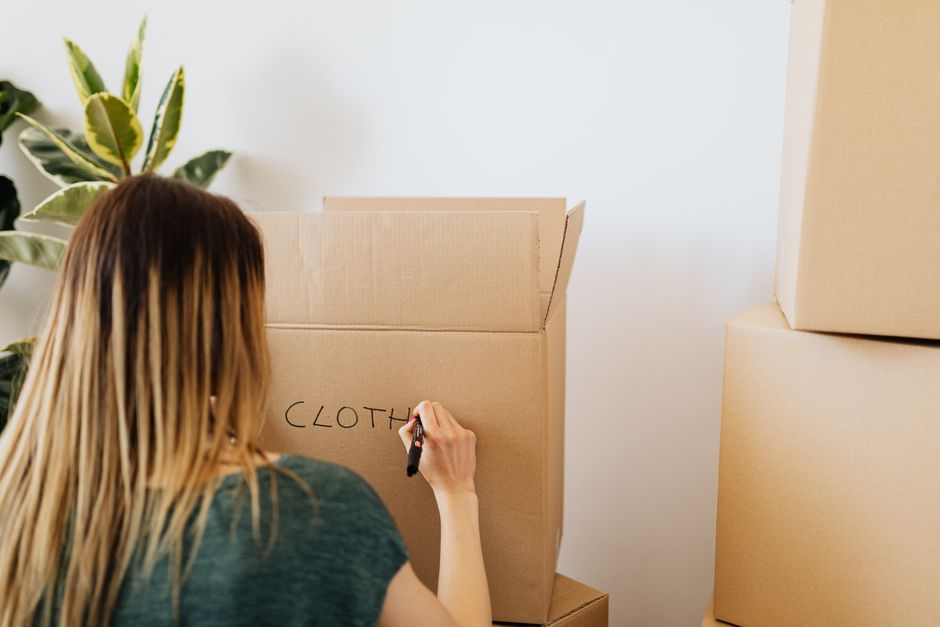
Closet Packing Checklist: Sorting, Organizing, and Relocating Storage Items
Written by:
Superior Moving & Storage
Published:
July 16, 2026
Learn how to pack and move your closets the right way — from sorting and decluttering to protecting clothes, shoes, and stored items. A complete guide from Superior Moving & Storage.
Knowing how to pack and move your closets is one of those tasks most people assume will be easy — until they actually open the doors and face what's inside. Closets are the silent collectors of a household: they absorb off-season clothing, forgotten accessories, childhood keepsakes, extra linens, holiday gifts, and years of items that were tucked away with the intention of dealing with them later. At Superior Moving & Storage, we've relocated thousands of families across Philadelphia, New Jersey, Delaware, and beyond, and closets consistently rank among the most time-consuming spaces to pack on moving day — not because of their size, but because of their density and disorganization. This guide gives you a complete, actionable framework for tackling every closet in your home, from the master bedroom walk-in to the narrow hallway coat closet, so that everything arrives organized, protected, and ready to put away.
The challenge with closets isn't just volume — it's variety. A single walk-in closet might contain hanging garments, folded clothes, shoes in boxes and out of boxes, purses, belts, jewelry, electronics charging in a corner, extra blankets, and a shelf's worth of items that have no other home. That variety demands a strategy, not just a box. Here's how to build one.
Why Closets Deserve Their Own Packing Plan
Most rooms in a home can be approached with a general packing method: wrap fragile items, use appropriate box sizes, label clearly, work systematically. Closets resist that approach for a few important reasons.
First, closets are rarely organized by category. Unlike a kitchen — where dishes live with dishes and pots live with pots — closets tend to blend categories freely. A shelf might have a winter hat next to a power drill next to a bag of gift wrap next to a shoebox containing items you haven't seen in three years. Packing without sorting first means that disorganization moves with you and becomes harder to untangle at the destination.
Second, closets contain items with wildly different packing requirements. Hanging garments need wardrobe boxes or garment bags to avoid crushing and wrinkling. Shoes need to be paired, protected, and ideally boxed to prevent damage and keep pairs together. Folded clothing can be packed in standard boxes but benefits from being grouped by type or season. Accessories, jewelry, and small personal items need individual attention to avoid loss or damage. Treating all of these the same way is a recipe for a messy, stressful unpack.
Third, closets are where people stash things they haven't thought about in years. Moving is one of the best opportunities to make conscious decisions about what you actually want to carry into your next home — and the closet is where that opportunity is most valuable and most frequently ignored.
Start with a Thorough Sort Before You Pack a Single Box
The single most important step in packing a closet is one that has nothing to do with boxes or tape: sorting. Every closet in your home should be fully emptied and sorted before packing begins. This isn't just good moving advice — it's good life advice that the move makes urgent.
The Four-Category Sort
Pull everything out of the closet and sort it into four groups:
- Keep and move: Items you actively use, love, or need. These go into your packing plan.
- Donate or sell: Items in good condition that you no longer want. Moving is the right moment to let these go. Consider scheduling a donation pickup or drop-off before moving week begins.
- Discard: Items that are worn out, broken, or otherwise unusable. Be honest about this category — moving broken things wastes space, time, and money.
- Relocate within the home: Items that don't belong in a closet at all and should be packed with their proper category (tools to the garage boxes, medications to the bathroom kit, etc.).
If decluttering feels overwhelming, our guide on how to declutter before a move provides a practical room-by-room framework that pairs well with this closet-specific approach.
Don't rush the sort. A thorough sort before you pack a single box will save you far more time than it costs — both on moving day and during the unpack. Every item you don't move is an item you don't have to pack, carry, load, unload, and put away.
How to Pack Hanging Clothes
Hanging garments are the most straightforward closet category to move — if you have the right equipment. The worst thing you can do is take clothes off hangers, stuff them in garbage bags, and assume they'll be fine. Some will be. Others will arrive wrinkled beyond easy repair, with delicate fabrics crushed and items tangled together.
Wardrobe Boxes: The Right Tool for Hanging Clothes
Wardrobe boxes are tall, sturdy cartons with a metal hanging bar built in. They allow you to transfer clothes directly from your closet rod to the box without removing them from hangers. This is the only method that reliably protects hanging garments — particularly suits, dresses, and formal wear — from wrinkling, compression, and damage during transit.
Here's how to use them effectively:
- Group garments by type or by household member before loading them into the wardrobe box. This makes the unpack significantly faster.
- Use the floor space of the wardrobe box for shoes in bags, folded items, or accessories. Don't leave it empty — wardrobe boxes are expensive relative to other cartons and large in the truck, so maximize their use.
- Don't overfill the rod. Overcrowded hangers put pressure on garments and can cause the bar to bow or garments to slip. Leave a little breathing room.
- For especially delicate or valuable items — dry-clean-only pieces, formal gowns, tailored suits — use garment bags in addition to the wardrobe box for a second layer of protection.
If you'd prefer to have professionals handle the packing, our professional packing services include wardrobe packing with proper materials, so nothing gets crushed or wrinkled in transit.
Alternatives for Shorter Moves
For local moves where transit time is minimal and the drive is short, a practical shortcut is the garbage-bag-on-hangers method: keep clothes on their hangers, gather a bundle, pull a large garbage bag up from the bottom to cover them, and tie the bag at the top of the hanger hooks. This works reasonably well for casual clothing but is not recommended for formal wear, delicate fabrics, or long garments that will drag on the bag.
How to Pack Folded Clothes and Linens
Folded clothing — sweaters, jeans, t-shirts, workout gear, underwear, socks — can be packed in standard moving boxes or medium cartons. The key is maintaining some organization as you pack so the unpack doesn't turn into a full re-sort.
Packing by Category and Season
Pack folded clothes by category, not just by whoever they belong to, or by season. Consider what you'll need immediately after the move and what can stay packed for a week or more. Off-season items (heavy sweaters in summer, swimwear in winter) can be packed last and unpacked at leisure. Everyday items should be in clearly labeled boxes that go into the bedroom first on unpack day.
Some practical tips:
- Medium boxes are better than large ones for clothing. Large boxes packed with clothes get very heavy very quickly, especially with jeans and sweaters.
- Use clothing itself as padding. Wrap breakables or delicate accessories inside sweaters or towels to protect them and make efficient use of space.
- Label every box with both the destination room and the general contents: "Master Bedroom — Folded Clothes — Winter Sweaters." This saves significant time during the unpack.
- Vacuum seal bags are an excellent option for bulky items like comforters, heavy blankets, and winter coats. They compress dramatically and free up box space for other items.
Linens and Bedding from Closets
Extra sheets, pillowcases, duvet covers, and blankets stored in closets can be packed in large boxes or used as padding material for furniture and fragile items. Keep a full set of sheets accessible — ideally packed last and loaded onto the truck last so it comes off first — so you can make beds on the first night without hunting through boxes.
How to Pack Shoes, Accessories, and Small Stored Items
Shoes, bags, belts, jewelry, and accessories are where closet packing gets complicated. These are small, easily lost, easily damaged, and often more valuable than they appear. They also tend to accumulate in quantity that surprises people when they actually count everything out.
Shoes
Shoes should always be packed in pairs. Never separate pairs across different boxes — a shoe that arrives without its match is useless, and finding the match during an unpack is genuinely difficult. Here's a solid approach:
- Pack shoes in their original boxes if you have them. Original boxes are the right size, provide some cushioning, and stack easily.
- If original boxes are unavailable, wrap each shoe individually in packing paper, then pack pairs together in small or medium boxes. Stuffing tissue paper or packing paper inside the shoe helps it hold its shape.
- Keep casual shoes, dress shoes, athletic shoes, and boots in separate boxes where possible. Label clearly.
- Boots should be stuffed to help them maintain their shape in transit. Use rolled packing paper, bubble wrap, or old socks.
Bags, Belts, and Accessories
Handbags and purses should be stuffed with tissue paper or packing paper to help them hold their shape and then placed upright in boxes with similar-sized items. Never stack heavy items on top of structured handbags. Belts can be coiled and placed in boxes or hung in wardrobe boxes. Scarves and ties can be folded and placed in smaller boxes or tucked into unused corners of larger ones.
Jewelry and High-Value Small Items
Jewelry is one of the most frequently lost item categories during a move — not because of theft, but because of disorganization. Small items get tucked into pockets of bags, dropped into unlabeled boxes, or simply forgotten in corners of drawers. The best approach is to pack all jewelry together, early, in a small dedicated container or jewelry roll, and transport it personally rather than on the moving truck. Fine jewelry, watches, and items of significant monetary or sentimental value should always travel with you, not in a moving carton.
Tackling Specialty Closets and Stored Items
Beyond the standard bedroom closet, most homes have at least one or two closets that serve specialized storage functions: a coat closet by the front door, a linen closet in the hallway, a utility closet near the laundry room, or a storage closet packed with miscellaneous items. Each has its own considerations.
Coat and Hallway Closets
Coat closets typically contain outerwear, umbrellas, sports equipment, bags, and whatever doesn't fit elsewhere. Sort aggressively here — coat closets attract clutter. Pack coats using the wardrobe box or garbage-bag method described above. Umbrellas can be bundled and tied. Sports equipment should be evaluated for whether it belongs in the coat closet box or with the garage/outdoor items.
Linen Closets
Linen closets are generally the most straightforward to pack: towels and bedding in large boxes, toiletries and medicines sorted and packed with the bathroom kit. Don't mix linens with bathroom chemicals or cleaning products. Set aside one set of everyday towels to come off the truck first — like the first-night bedding, having towels available immediately after a move is a quality-of-life issue worth planning for.
Utility and Storage Closets
These are the wildcard closets — the ones where anything goes. They tend to accumulate cleaning supplies, tools, holiday items, and miscellaneous storage. Sort ruthlessly. Items in utility closets often haven't been touched in years. Pack cleaning supplies carefully, keeping liquids upright and sealed, and never mix them with clothing or soft goods. Holiday decorations should be packed in their own clearly labeled boxes. Hardware and tools should be consolidated with the garage boxes.
If your storage closet contains items you're not ready to part with but don't have room for at your new home, storage services offer a practical solution — professionally managed storage that keeps your belongings safe until you're ready for them.
Final Checks Before Closing Each Closet
Before you seal boxes and move on, do a complete final walkthrough of every closet in your home. Check:
- High shelves, especially the back corners, where items slide and get overlooked.
- The floor, particularly under hanging clothes where items fall and get lost.
- Any built-in drawers, cubbies, or organizer pockets.
- Behind hanging garments, where items get pushed to the back and forgotten.
- Hooks on the inside of doors, which are easy to miss.
It's worth doing this check twice — once during packing and again on moving day itself. Items left behind in closets are among the most common post-move discoveries that require return trips to the old home.
For a complete overview of the full packing process across your entire home, our room-by-room packing guide provides a broader framework that ties all the individual room guides together.
How Professional Movers Handle Closets
When a professional moving crew handles your closets, the process is efficient but fast — which means the better organized your closets are before they arrive, the better the outcome. Professional movers will load wardrobe boxes, carry boxes to the truck, and wrap large items, but they're not in a position to make sorting decisions about what stays, what goes, or how you want to categorize your belongings at the destination.
The best use of professional movers in relation to closets is this: you do the sorting and decluttering well in advance, you pack small and fragile items yourself, and you let the crew handle the heavy and bulky items — the wardrobe boxes, the dressers, the storage bins. That division of labor produces the best results for both efficiency and personal peace of mind.
At Superior Moving & Storage, we serve families across Philadelphia, New Jersey, Delaware, and the surrounding region. Whether you need full-service packing, wardrobe box supply, or a crew that handles the heavy lifting while you manage the details, we're ready to help make your move as smooth as possible.
Frequently Asked Questions
Do I need wardrobe boxes for a move, or can I pack clothes another way?
Wardrobe boxes are the best option for hanging clothes, especially suits, dresses, and delicate fabrics that wrinkle easily. For casual clothing and short local moves, the garbage-bag-on-hangers method works as a practical alternative. Folded clothing can always be packed in standard medium boxes. That said, if protecting your clothes from wrinkling and compression is a priority, wardrobe boxes are worth the investment.
How far in advance should I start packing my closets?
Start the sorting process at least three to four weeks before your move. Off-season clothing, stored items, and anything you don't use daily can be packed two to three weeks out. Everyday items — the clothes you wear regularly, everyday shoes, and linens — should be packed in the final few days before the move. Sorting early gives you time to donate, sell, or discard items rather than rushing those decisions.
What's the best way to keep shoes organized during a move?
Always pack shoes in pairs and keep pairs together in the same box. Use original shoe boxes when available. If you don't have original boxes, wrap each shoe individually in packing paper and pack pairs together in small or medium boxes. Stuff shoes with tissue paper or packing paper to help them hold their shape. Label boxes clearly with the type of shoes inside so you can find what you need quickly after the move.
Should jewelry and valuables travel on the moving truck?
No. Fine jewelry, watches, and other small high-value items should always travel with you personally — in your car or in a bag you carry. These items are easy to lose among moving boxes, and if something goes missing, it is very difficult to locate. Pack jewelry together in a dedicated jewelry roll or small case, keep it with you on moving day, and unpack it directly into your new home.
What should I do with closet items I don't have room for at my new home?
If you have items you want to keep but don't have immediate space for at your new home, short-term or long-term storage is a practical solution. Professional storage keeps your belongings safe, climate-controlled (depending on the facility), and accessible until you're ready for them. This is often a better option than leaving items behind, donating things you'll regret, or cramming belongings into a space that doesn't have room for them.


Have Questions About Your Move?
Find clear answers to common moving questions. Learn more about our services, process, and what to expect on moving day.
Our team is here to help. Contact us for personalized assistance with your moving needs.
Ready for a Stress-Free Move?
Let our family help your family with a move handled the right way from start to finish. Request your free quote today and see why Philadelphia families have trusted us since 1981.