.webp)
How to Move in Winter: A Complete Guide to Cold-Weather Moving
Written by:
Superior Moving & Storage
Published:
June 21, 2026
Moving in winter doesn't have to be a nightmare. Learn how to plan a safe, successful cold-weather move with tips on weather prep, protecting belongings, and more.
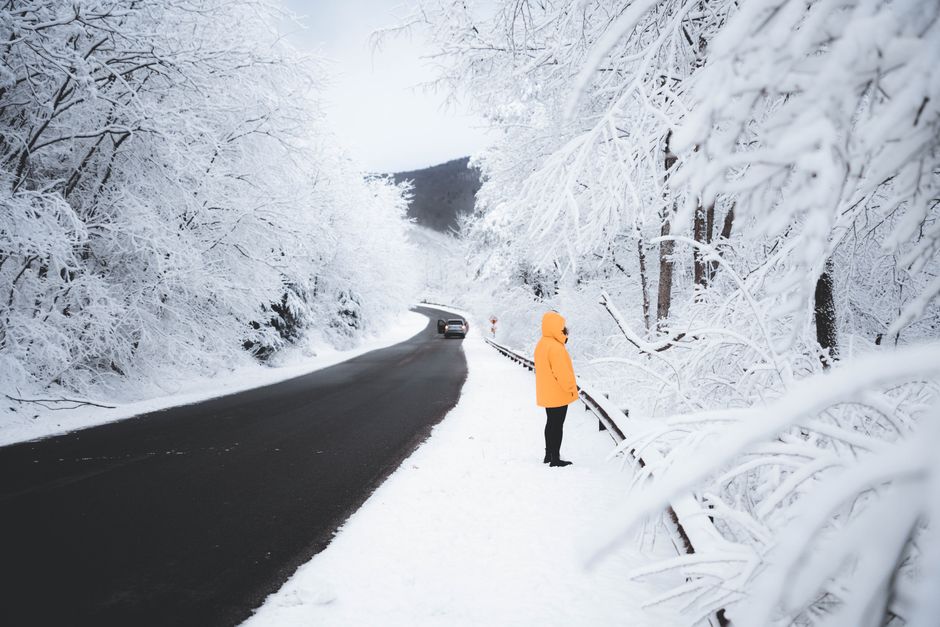
Deciding to move in winter comes with a unique set of challenges that summer and fall moves simply don't have. Icy driveways, freezing temperatures, shorter daylight hours, and unpredictable snowstorms can turn even the most organized relocation into a stressful ordeal. But here's what most people don't realize: winter moving also has real advantages — lower rates, greater mover availability, and more flexibility on dates. At Superior Moving & Storage, we've helped families and businesses relocate safely throughout the coldest months of the year, and this guide puts all of that experience to work for you.
Whether you're moving across Philadelphia in February, relocating to New Jersey before the new year, or heading out of the region entirely, a winter move is absolutely manageable when you plan for it. Here's everything you need to know.
Why People Move in Winter — and Why It Can Work in Your Favor
Most people assume winter is the worst time to move, but that assumption overlooks some genuine benefits. Demand for moving services drops significantly between November and March, which typically means lower rates, more available dates, and crews that aren't stretched thin from back-to-back summer bookings. If your schedule gives you any flexibility, choosing a mid-week date in January or February can be one of the most cost-effective moving decisions you make.
There are practical upsides too. Real estate markets often slow in winter, which can mean smoother closings with fewer competing transactions. Apartment buildings may have fewer move-ins happening simultaneously, making elevator reservations and loading dock access easier to secure. And the cold weather keeps everyone — including your movers — moving at a deliberate, careful pace rather than rushing in summer heat.
That said, none of these advantages matter if you're not prepared for the weather. Planning is what separates a successful winter move from a dangerous, damaging one.
Start Planning Early: Weather and Logistics
The most important rule of a winter move is this: build flexibility into your timeline. Weather in the Philadelphia region — and across the mid-Atlantic generally — can swing from clear skies to a nor'easter within 48 hours. The earlier you start planning, the more room you'll have to adapt.
Monitor the Forecast — and Have a Backup Plan
Begin watching extended weather forecasts at least two weeks before your move date. Apps and services like the National Weather Service offer hour-by-hour predictions that can help you make smart decisions about timing. If a major storm is forecast for your move day, know in advance whether your moving company has a rescheduling policy — and make sure you ask about it when you book.
It's also worth having a contingency plan for where your belongings can go if the move needs to pause unexpectedly. short-term storage can be a valuable safety net: if road conditions force a delay between your old home and new one, having a storage unit reserved means your possessions are safe and climate-controlled while you wait for conditions to improve.
Coordinate Building Access and Parking in Advance
Winter weather affects logistics beyond just the roads. If you're moving into or out of an apartment building, confirm elevator reservation windows and building rules well in advance — and alert the building manager to your move date so they can arrange for safe access and potentially pre-treat walkways. If you're moving in or out of a house, identify where the moving truck will park and whether the curb cut, driveway, or alley will need to be cleared of snow.
Contact your local municipality if you need to reserve street parking for the truck. Many Philadelphia and South Jersey neighborhoods require a permit for large vehicles, and winter street-cleaning and snow emergency routes can complicate access if you haven't planned ahead.
Protecting Your Belongings from Cold and Moisture
Temperature and moisture are the two biggest threats to your possessions during a winter move. Wood furniture can warp or crack with rapid temperature changes. Electronics are vulnerable to condensation when moved from freezing outdoor air into a warm interior. Cardboard boxes can absorb moisture and lose structural integrity. Addressing each of these risks before moving day is essential.
Pack Smart for Cold Weather
Use heavy-duty plastic bins or wrap boxes in plastic sheeting to guard against moisture. For items that are especially sensitive — wood antiques, artwork, musical instruments, electronics — consider double-boxing or investing in specialty packing materials. Our professional packing services include materials specifically suited for fragile and high-value items, which is especially worth considering in winter when the environmental risks are higher.
Seal boxes fully with quality tape; cold temperatures cause some adhesives to fail faster than they would in warmer conditions. Label boxes with "fragile" or "this side up" indicators in bold, visible marker — gloves and cold hands make careful handling harder, and clear labeling helps your crew do their best work.
Let Electronics Acclimate
When electronics — laptops, televisions, gaming consoles, stereos — come in from freezing temperatures, condensation can form on internal components before the device has had a chance to warm up. Before powering on any electronic device after a winter move, let it sit at room temperature for at least two to four hours. This simple step can prevent short circuits and permanent damage.
Protect Wood Furniture and Floors
Wood is porous and reacts to humidity and temperature changes. Wrap solid wood furniture — tables, dressers, bed frames, cabinets — in moving blankets before it goes on the truck, and keep it covered until it's inside your new home. Avoid leaving wood pieces in an unheated truck overnight if you can help it.
Your floors need protection too. Salt, slush, and mud will be tracked in on every trip in and out. Lay down heavy-duty floor runners or rosin paper at all entry points, and consider covering hardwood floors in high-traffic paths with moving blankets. This protects both your old home (important for deposit purposes) and your new one.
Keeping Your Moving Crew Safe on Moving Day
A winter move is a team effort, and the safety of everyone involved — your family, your movers, and any helpers — depends on preparation. Icy conditions cause a disproportionate number of moving-day injuries, nearly all of which are preventable.
Clear and Treat All Walkways Before the Crew Arrives
Before your moving team shows up, walk the entire path from the entrance to the truck location. Shovel any snow, apply ice melt to all walking surfaces, and check stairs, ramps, and curbs. Even a thin layer of invisible ice (black ice) can cause a serious fall — especially when carrying heavy boxes or furniture. Reapply ice melt during the move if conditions require it.
Dress for the Conditions
You and anyone helping you should dress in warm, layered clothing that still allows full range of motion. Avoid bulky coats that restrict movement when lifting. Wear waterproof, slip-resistant boots — not sneakers. Gloves are essential for warmth, but make sure yours allow you to grip surfaces securely. Thin work gloves with rubber grips are preferable to thick ski gloves for moving tasks.
Take More Breaks Than Usual
Physical exertion in cold weather is taxing in ways that aren't always obvious in the moment. Cold air strains the cardiovascular system, and muscles tire faster in low temperatures. Build in more frequent rest breaks than you would on a summer move, make sure everyone stays hydrated (you lose moisture even in cold air), and have hot drinks available throughout the day.
Special Considerations for Long-Distance Winter Moves
If your winter move takes you across state lines — from the Philadelphia area to New Jersey, Delaware, or beyond — road conditions become a more significant factor. Interstate highways are generally well-maintained in winter, but secondary roads, mountain passes, and rural routes can become treacherous quickly.
For long-distance moves in winter, it's especially important to work with an experienced team. Our long-distance moving professionals monitor routes and road conditions actively and have protocols in place for weather delays — so your belongings arrive safely, even when conditions aren't ideal.
Consider the destination climate as well. If you're moving from a mild mid-Atlantic winter into a colder or snowier region — or vice versa — the temperature differential during transport can affect sensitive items even more dramatically. Communicate any concerns about specific items with your moving coordinator in advance.
What to Do the Night Before a Winter Move
The evening before your move is your last window to set yourself up for success. Run through this checklist before you go to sleep:
- Check the weather forecast one final time and confirm your move is on schedule with your moving company.
- Locate your ice melt, shovel, and floor runners so they're easy to grab first thing in the morning.
- Pack a "moving day bag" with essentials: phone charger, snacks, water, medications, a change of clothes, and any documents you'll need on move-in day.
- Confirm your new home's heat will be on before you arrive — moving into a cold, unheated space makes the transition significantly harder.
- Disconnect and prep any appliances that need time to defrost or drain (refrigerators, washing machines) so they're ready to move safely in the morning.
- Confirm parking arrangements, building access codes, and elevator reservations for both the origin and destination.
After the Move: Settling In During Winter
Once the truck is unloaded and the crew has left, the work isn't quite done. A winter move-in has a few post-move steps that summer moves don't require.
First, inspect all boxes and furniture for moisture damage before you unpack everything. If any cardboard got wet during transit, move those boxes to a warm, dry area and let them dry before opening. Second, give electronics the acclimation time mentioned earlier — resist the urge to plug everything in immediately. Third, check that your new home's heating system is functioning properly, that pipes are not at risk of freezing, and that any exterior doors or windows seal tightly against drafts.
Finally, take a moment to appreciate what you've accomplished. A successful winter move is genuinely harder than a warm-weather one, and completing it smoothly — with the right preparation and the right team — is worth acknowledging.
Frequently Asked Questions
Is it a bad idea to move in winter?
Not at all — winter moving has real advantages, including lower rates, greater mover availability, and more scheduling flexibility. The key is preparation. With the right planning for weather, walkway safety, and protecting your belongings from cold and moisture, a winter move can go just as smoothly as one in any other season.
What should I do if a snowstorm is forecast on my moving day?
Contact your moving company as soon as you see a serious weather forecast — ideally 48 to 72 hours in advance. Most professional movers have rescheduling protocols for weather emergencies. It's also worth reserving short-term storage in advance as a contingency, so your belongings have a safe destination if a delay becomes necessary.
How do I protect wood furniture and electronics during a winter move?
Wrap wood furniture in moving blankets and keep it covered until it's inside your new home — rapid temperature changes can cause warping or cracking. For electronics, let them acclimate at room temperature for two to four hours before powering them on, to allow any condensation from the cold to dissipate safely.
How can I keep walkways safe on moving day?
Before your moving crew arrives, shovel all snow from the paths between the entrance and the truck, and apply ice melt to all walking surfaces including stairs, ramps, and the curb. Even a thin layer of black ice is a serious hazard when carrying heavy items. Reapply ice melt during the move if temperatures stay below freezing.
Are winter moving rates actually lower than summer rates?
Generally, yes. Demand for moving services typically drops between November and March, which means many moving companies offer more competitive pricing and greater date flexibility during the winter months. Booking mid-week and avoiding the first and last days of the month — when leases typically turn — can help you secure the best available rates.



Have Questions About Your Move?
Find clear answers to common moving questions. Learn more about our services, process, and what to expect on moving day.
Our team is here to help. Contact us for personalized assistance with your moving needs.
Ready for a Stress-Free Move?
Let our family help your family with a move handled the right way from start to finish. Request your free quote today and see why Philadelphia families have trusted us since 1981.