.webp)
Moving with Houseplants: How to Keep Them Alive on Moving Day and Beyond
Written by:
Superior Moving & Storage
Published:
August 17, 2026
Learn how to move houseplants safely: prepping, boxing, temperature limits, and what to do if movers won't load them on the truck.
Moving with houseplants means prepping them a few days ahead, transporting them yourself in a climate-controlled vehicle rather than on the moving truck, and giving them time to adjust once they arrive. Plants are living cargo: they don't tolerate dark, unventilated trucks, temperature swings, or being tipped on their sides for hours the way boxed dishes do.
Most moving companies won't load houseplants on the truck at all, and for long-distance moves crossing state lines, some plants legally can't cross without an inspection certificate. None of that means you have to leave your collection behind. It just means plants need their own plan, separate from the rest of your packing list.
Will Movers Transport Houseplants?
Most full-service moving companies exclude houseplants from the truck, the same way they exclude perishables and hazardous materials. Plants can leak soil and water onto other items, they're sensitive to being stacked or laid on their sides, and hours inside a closed, unventilated truck (especially in summer or winter) can kill them before they even arrive.
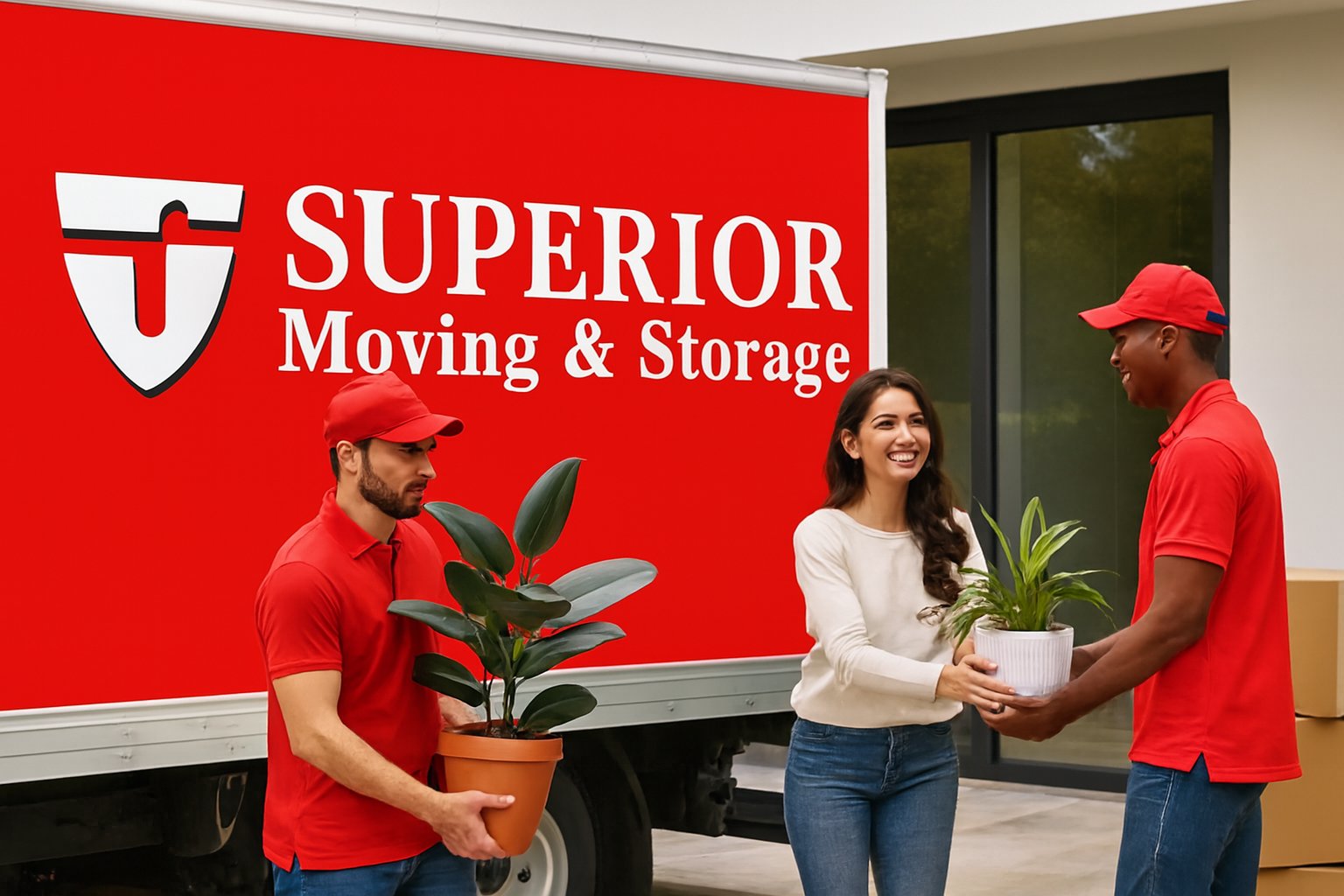
That doesn't mean your movers won't help. Many crews will carry pots out to your own car and load them last so they're easy to access, or they can pack a plant securely in a box if you're shipping it as a smaller supplemental parcel rather than freight. If keeping your plants alive is a priority, mention it when you book so the crew can plan around it rather than finding out on moving day.
Crossing State Lines with Plants
Some states, including California, Arizona, and Florida, restrict certain plants at their borders to prevent the spread of pests and disease. If you're relocating a large or unusual collection across state lines, check the destination state's department of agriculture website before moving day. For a handful of common houseplants moving a short or medium distance, this is rarely an issue, but it's worth ten minutes of research if you're moving specialty or outdoor plants along with them.
How Do You Prepare Plants for a Move?
Start preparing plants three to five days before moving day: water them lightly, treat for pests, and prune anything oversized so they're easier to transport. Plants that arrive stressed from last-minute handling are far more likely to drop leaves or wilt in the weeks after the move.
- Water lightly, not heavily. Overwatering before a move leaves soil heavy and prone to spilling. Water two to three days ahead so soil is barely damp on moving day.
- Check for pests. Moving stressed plants with an existing pest problem is a good way to infest your new home. Inspect leaves and soil, and treat with insecticidal soap if needed before packing anything up.
- Prune what you can. Trim back leggy growth so plants take up less space in the car and are less likely to snap branches against a window or door frame.
- Repot plastic, not ceramic, before a long trip. Ceramic and terra cotta pots crack easily in transit. If a plant is due for repotting anyway, do it into a sturdy plastic nursery pot a week or two before the move and repot into the decorative container once you're settled.
What's the Best Way to Pack and Transport Plants?
Small to medium plants travel best secured upright in open boxes or milk crates in the back seat or trunk of your own vehicle, never in the moving truck. Slide a plastic bag loosely over the pot and secure it at the base with tape or a rubber band to contain loose soil, leaving the foliage free.
- Box them upright. Use a box slightly taller than the pot, and if you're moving several plants, group similar heights together so nothing gets crushed under a taller neighbor.
- Stabilize with newspaper or packing paper. Wedge crumpled paper around the base of the pot inside the box so it doesn't tip when the car turns.
- Leave the top open. Plants need airflow and light, so don't seal or tape the box shut like you would for dishes or books.
- Protect fragile leaves. For plants with delicate leaves, like ferns or fiddle leaf figs, loosely tent tissue paper over the top rather than pressing anything against the foliage.
For a long-distance move where plants have to ride in the car for a full day or more, plan stops to check on them, crack a window for airflow, and never leave them in a parked, closed car in hot or freezing weather even for a quick errand.
How Do You Protect Plants from Temperature Damage in Transit?
Most common houseplants are damaged by temperatures below 45°F or above 90°F, so the goal is keeping them in the passenger cabin with you, not in a trunk, moving truck, or towed trailer. A few hours outside that range can cause leaf drop, and a freeze can kill a plant outright.
If you're moving during winter, wrap pots loosely in an old sheet or paper for the walk between the door and the car, and run the heater at a moderate setting rather than blasting it directly on the leaves. In summer, avoid parking in direct sun with plants inside, and give them water right before you leave rather than after a hot drive.
How Do You Help Plants Recover After the Move?
Plants often look a little worse for a week or two after a move, even when everything was done right. Some leaf drop or drooping is a normal stress response to a change in light and humidity, not necessarily a sign something went wrong.
- Unpack plants first, not last. Get them out of boxes and bags as soon as you arrive so they aren't sitting in the dark any longer than necessary.
- Match the old light conditions as closely as possible. Place each plant in a spot with similar light to where it lived before, then adjust gradually over a few weeks rather than moving it around repeatedly.
- Hold off on fertilizer. Wait three to four weeks before feeding a recently moved plant. Stressed roots don't absorb nutrients well and fertilizer can burn them.
- Watch, don't overcorrect. Resist the urge to water a drooping plant more. Check the soil first; overwatering a stressed plant is more likely to kill it than a few dry days.
Once your plants are settled, the rest of your setup will typically fall into place faster if you've already prepared your new home before moving day, with rooms cleared and surfaces ready for furniture and décor as soon as the truck is unloaded.
When Should You Ask Movers for Extra Help with a Large Collection?
If you own a large or valuable plant collection, an oversized specimen like a mature fiddle leaf fig, or a mix of plants and other delicate items, it's worth asking your moving company about additional care options rather than handling everything solo. A crew experienced with fragile and specialty items can advise on padding, box sizing, and vehicle loading order even for the pieces they can't put on the truck.
Superior Moving & Storage's specialty moving services cover exactly this kind of situation: oversized, delicate, or unusual items that need more planning than a standard box-and-load approach. If your move also involves other fragile or high-value pieces, it's worth getting a moving quote early so the crew can plan around everything that needs special handling, plants included.
Frequently Asked Questions
Can you put houseplants in a moving truck?
It's not recommended. Moving trucks are dark, often not climate-controlled, and plants can tip or leak soil during transit. Most moving companies exclude plants from the truck and ask customers to transport them in their own vehicle instead.
How do you move plants across the country?
For long-distance moves, most people drive plants in their own car in stages, checking on them at stops and keeping them out of temperature extremes. If driving isn't possible, some specialty plant shippers exist, but a personal vehicle is far more reliable for keeping plants alive.
Is it normal for plants to droop after a move?
Yes. Temporary leaf drop, drooping, or yellowing after a move is a common stress response to changes in light, humidity, and handling. Most plants recover within two to four weeks once they're settled and watered normally.
Should you water plants before or after moving day?
Water lightly two to three days before the move so soil is barely damp, not soaked, on moving day. Heavy, wet soil is more likely to spill and makes pots noticeably heavier to carry.
Do you need a permit to move plants to another state?
Usually not for common houseplants moved in small numbers, but some states restrict specific plant species at their borders to control pests and disease. Check the destination state's department of agriculture website if you're moving a large or unusual collection.




Have Questions About Your Move?
Find clear answers to common moving questions. Learn more about our services, process, and what to expect on moving day.
Our team is here to help. Contact us for personalized assistance with your moving needs.
Ready for a Stress-Free Move?
Let our family help your family with a move handled the right way from start to finish. Request your free quote today and see why Philadelphia families have trusted us since 1981.