.webp)
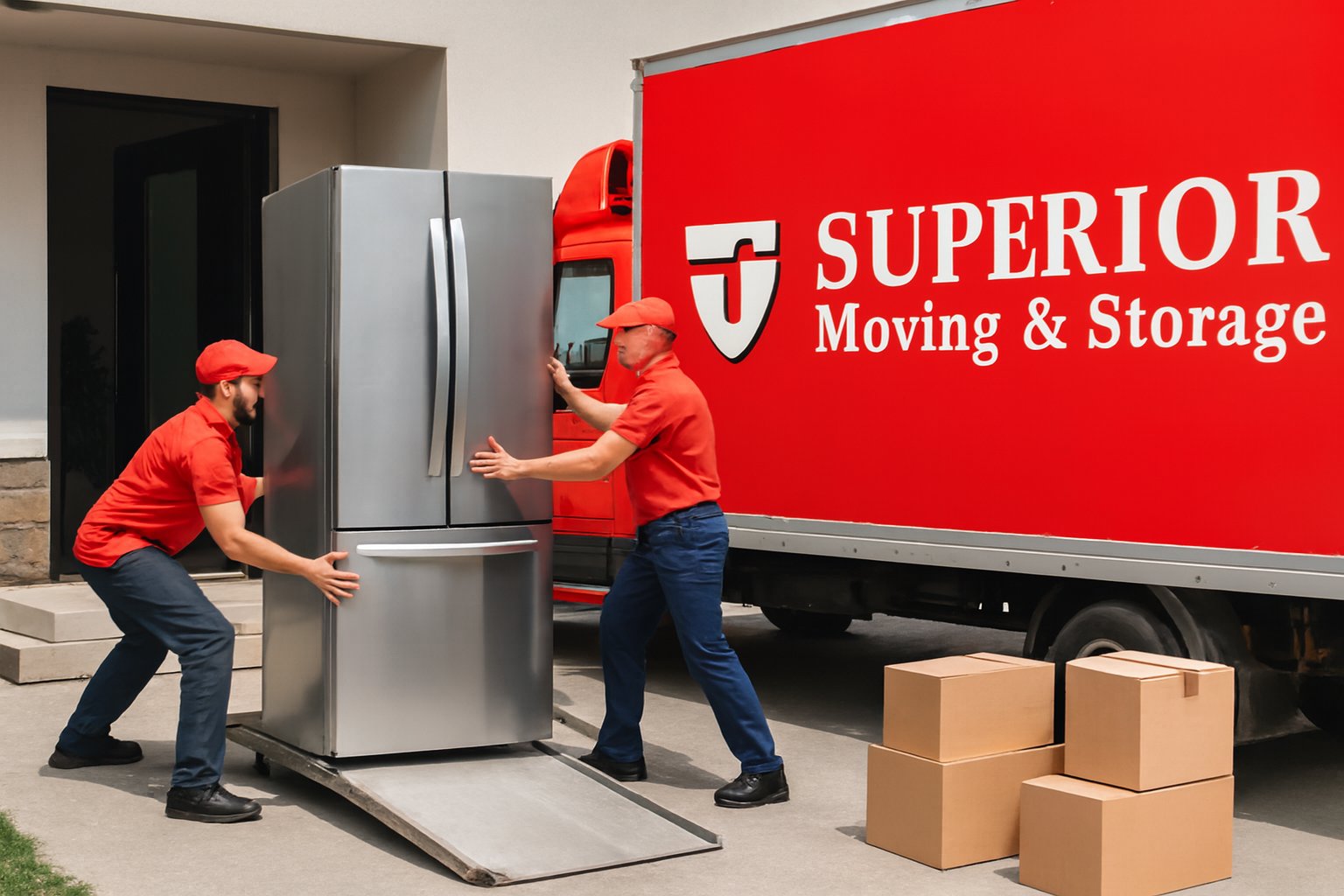
How to Move Heavy Appliances Without Wrecking Your Floors, Back, or Warranty
Written by:
Superior Moving & Storage
Published:
August 13, 2026
Learn how to move heavy appliances like fridges, washers, and stoves without damage or injury. Prep steps, moving tools, and when to call in pros.
Moving heavy appliances safely comes down to three things: disconnecting them correctly before moving day, using the right equipment to carry the load instead of your back, and protecting both the appliance and your floors during transport. Refrigerators, washers, dryers, and ranges are some of the heaviest single items in most homes, and they are also the most likely to cause an injury, a scratched floor, or a voided warranty if handled wrong.
This isn't the same job as moving a couch or a dresser. Appliances have water lines, gas connections, compressors, and drum mechanisms that all need specific prep before they're safe to tip, tilt, or load onto a dolly. Here's what actually matters at each stage.
How Do You Prepare a Refrigerator to Be Moved?
A refrigerator needs to be unplugged, emptied, defrosted, and secured at least a few hours before it moves, ideally the night before. Skipping this step is the number one reason refrigerators leak, tip, or arrive with a burned-out compressor.
- Empty and clean the interior, then let it air out with the doors open for an hour or two to prevent mildew.
- Defrost the freezer fully if it's not frost-free, and dry out any remaining moisture.
- Shut off the water line if the fridge has an ice maker or water dispenser, then disconnect and drain the line.
- Tape or zip-tie the doors shut so they don't swing open mid-move, and secure any loose shelves or bins inside.
- Let the fridge sit upright for a few hours after the move before plugging it back in. Most manufacturers recommend this so refrigerant settles and the compressor isn't damaged by running it on a tilt too soon after transport.
Refrigerators should be kept upright during transport whenever possible. Laying one on its side can cause oil to shift into the cooling lines, which shortens the compressor's life even if the unit still runs afterward.
What's the Right Way to Move a Washer and Dryer?
Washing machines need their drums locked in place with shipping bolts before they move, and gas dryers need the gas line professionally disconnected first. Doing either of these out of order is how washers get internal damage and how dryers become a safety hazard.
For the washer, run a spin cycle to remove excess water, then disconnect the hot and cold hoses and let them drain into a towel or bucket. If you kept the original shipping bolts, install them now to lock the drum so it doesn't bounce around and damage the suspension during transport. If you don't have them, wedging towels around the drum interior helps but isn't as reliable.
For an electric dryer, unplug it and clean out the lint trap and exhaust vent connection. For a gas dryer, the gas line should be shut off and disconnected by someone comfortable working with gas lines, and the line capped before the unit is pulled away from the wall. If you're not confident doing this yourself, this is one spot where it's worth having your moving crew or a plumber handle it rather than guessing.
What Equipment Do You Actually Need?
An appliance dolly with a strap and stair-climbing wheels is the single most useful tool for moving anything over 150 pounds, and furniture sliders help protect floors during the final few feet of positioning. Trying to walk a fridge or washer by hand, even with two or three people, is where most back injuries and dropped appliances happen.
Appliance Dolly
Unlike a standard hand truck, an appliance dolly has a wider base, a ratchet strap to cinch the unit in place, and often a stair-climbing feature that lets you walk it down steps in a controlled roll instead of a drop-and-catch. This is worth renting even for a one-time move.
Furniture Sliders and Floor Protection
Hardwood, tile, and vinyl floors scratch easily under the weight of a loaded appliance dolly, especially on turns. Furniture sliders under the dolly's wheels, or laying down moving blankets and hardboard runners along the path, prevents the gouges that show up after the move is done and the deposit or resale walkthrough happens.
Moving Straps
A two-person shoulder strap or forearm forklift-style strap redistributes weight off your lower back and onto your legs and shoulders, which matters most on stairs or when loading into a truck bed. These are inexpensive and worth having even if you're only moving one or two heavy items.
When Should You Call In Professional Movers Instead?
Call in professionals when the appliance involves a gas line, needs to go up or down more than one flight of stairs, or when you don't have a second person available to help lift safely. A dropped refrigerator or a mishandled gas dryer connection can turn into a repair bill or a real safety issue much faster than a scratched dresser would.
Appliances are also where DIY moves most often go wrong on move-in day, because a new home's doorways, stair turns, and appliance hookups don't always match what you're used to. A crew that handles heavy items regularly will know how to angle a fridge through a narrow doorway or reroute a washer up a tight stairwell without forcing it. If you're weighing whether to handle the whole move yourself, our guide on moving large and heavy furniture without damaging your home covers the same lifting and doorway problems that come up with bulky appliances.
For moves where appliances are just one part of a bigger job, a full local moving company can handle the appliances alongside everything else, so you're not renting a dolly for a single afternoon and hoping it goes smoothly.
Do Movers Disconnect and Reconnect Appliances?
Most moving crews will disconnect and reconnect basic electric appliances like washers and standard dryers as part of the move, but gas line work is typically left to a licensed plumber or the gas company for safety and liability reasons. It's worth asking your mover directly what's included before moving day, since this varies by company and by local code.
If you're getting quotes and want to make sure appliance handling is priced in rather than added as a surprise fee, our guide on reading a moving quote explains what line items typically cover specialty or heavy-item handling.
Ready to Skip the Dolly Rental?
If juggling appliance dollies, shipping bolts, and gas line disconnects on top of everything else sounds like more risk than it's worth, you don't have to do it solo. Our crews move refrigerators, washers, dryers, and ranges every week and know how to get them out the door and into the truck without a scratch.
Get a moving quote and tell us which appliances need to move. We'll factor them into the plan from the start instead of figuring it out on move day.
Frequently Asked Questions
Can you lay a refrigerator on its side to move it?
It's best to keep a refrigerator upright during transport. Laying it on its side can let compressor oil shift into the cooling lines, which can shorten the compressor's lifespan even if the fridge still runs afterward. If it must be tilted briefly to fit through a doorway, keep the angle as small as possible and return it upright as soon as you can.
How long should a refrigerator sit before you plug it back in after a move?
Most manufacturers recommend letting a fridge sit upright for a few hours, sometimes overnight, before plugging it in. This gives the refrigerant and compressor oil time to settle after being jostled during transport, which reduces strain on the compressor when it starts back up.
Do you need special bolts to move a washing machine?
Yes, shipping bolts (also called transit bolts) lock the washer's drum in place so it doesn't bounce against the suspension springs during transport. If you no longer have the original bolts, padding the drum interior tightly with towels is a fallback, though it's less secure than using the actual bolts.
Is it safe to disconnect a gas dryer yourself before a move?
Disconnecting a gas line yourself isn't recommended unless you're experienced with gas fittings, since a poor seal can lead to a leak. Most moving companies and plumbers recommend having a licensed technician or the gas utility company handle the disconnect and reconnect for safety.
How many people does it take to move a refrigerator safely?
Two people is the minimum for most standard refrigerators, and three is safer for larger French door or side-by-side models, especially if stairs or tight turns are involved. An appliance dolly with a strap reduces the physical strain significantly compared to carrying it by hand.

Have Questions About Your Move?
Find clear answers to common moving questions. Learn more about our services, process, and what to expect on moving day.
Our team is here to help. Contact us for personalized assistance with your moving needs.
Ready for a Stress-Free Move?
Let our family help your family with a move handled the right way from start to finish. Request your free quote today and see why Philadelphia families have trusted us since 1981.