.webp)
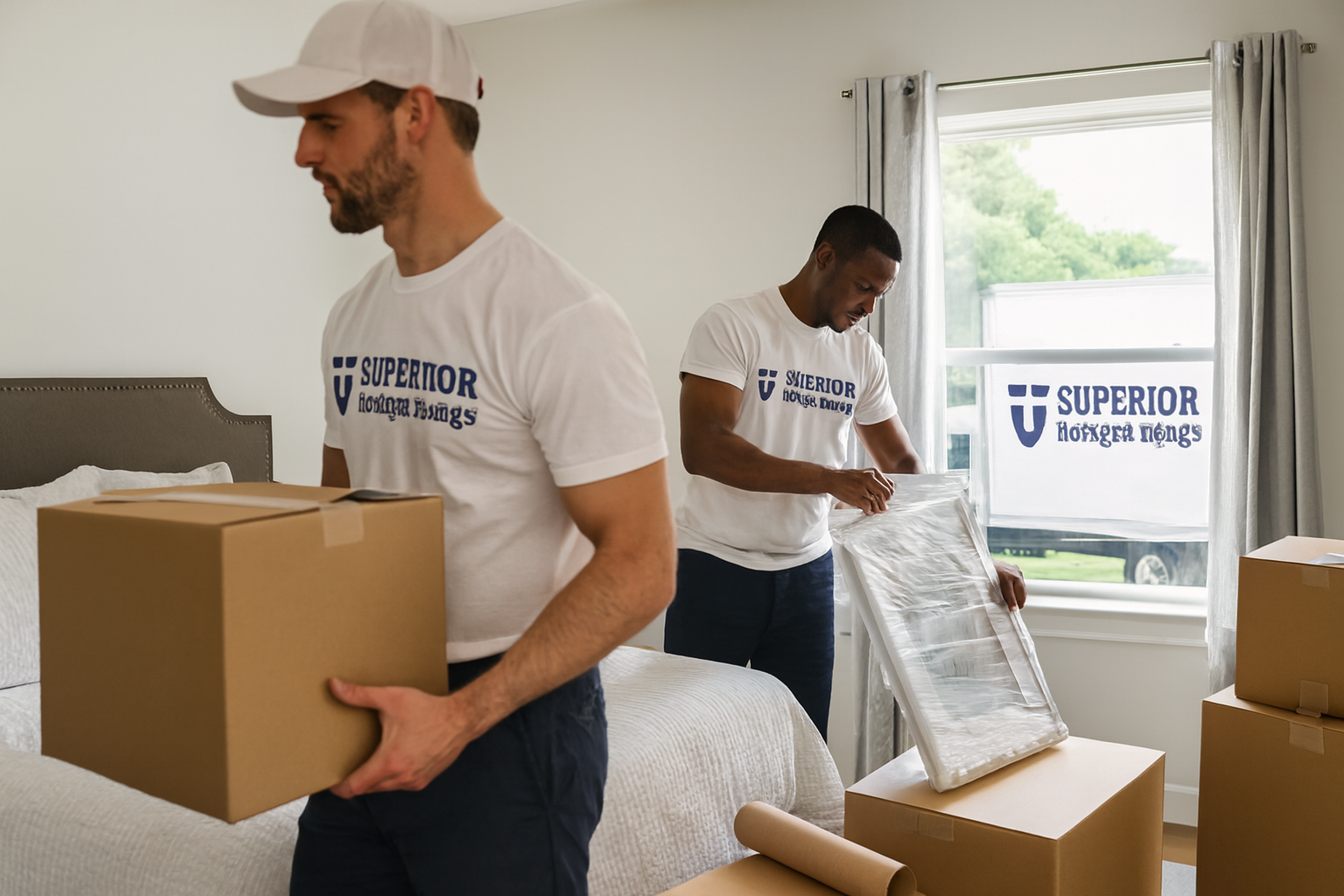
Bedroom Packing Guide: Protecting Furniture, Clothing, and Personal Items
Written by:
Superior Moving & Storage
Published:
July 18, 2026
Learn how to pack and move your bedroom the right way — furniture, mattresses, clothing, and valuables. Step-by-step guide from Superior Moving & Storage.
Knowing how to pack and move your bedroom correctly is one of the most important skills you can have going into a residential relocation. The bedroom looks deceptively straightforward — a bed, a dresser, a nightstand, maybe a TV — but once you actually begin inventorying everything in the room, the complexity grows fast. You're dealing with a large, heavy mattress and box spring; bed frames that require disassembly; bulky dressers and armoires packed with folded clothing; nightstands filled with small personal items; mirrors that shatter in transit; and an assortment of valuables, jewelry, and sentimental objects that can't be replaced if they're lost or damaged. At Superior Moving & Storage, we've relocated thousands of households across Philadelphia, New Jersey, Delaware, and beyond, and the bedroom is consistently one of the rooms that surprises people most on moving day — not because it's the hardest room, but because it takes longer and requires more care than most people expect. This guide gives you a complete, actionable plan for packing and moving your bedroom from start to finish.
The bedroom presents a particular challenge because it mixes very large items — mattresses, bed frames, wardrobes — with very personal and sometimes very fragile ones. A thoughtful strategy that addresses both ends of that spectrum is what separates a smooth bedroom move from a chaotic one. Here's how to build that strategy.
Why Your Bedroom Deserves Its Own Packing Plan
Most rooms in a home can be approached with a general packing method: use appropriate box sizes, wrap fragile items, label clearly, and work systematically. The bedroom benefits from a more dedicated approach for several important reasons.
First, the bedroom contains your most personal belongings. Clothing, jewelry, important documents, prescription medications, and sentimental keepsakes all tend to live in the bedroom. These items require both physical protection and a level of organization that ensures they don't get buried in the bottom of a random box on the truck. A deliberate plan keeps your most important personal items accessible and protected throughout the move.
Second, the bedroom typically contains some of the heaviest and most awkward furniture in the house. King and queen mattresses are both heavy and unwieldy — they require at least two people to handle safely and benefit enormously from proper mattress bags. Bed frames often need to be disassembled before they can fit through doorways, and the hardware needs to be carefully stored so reassembly at the destination doesn't turn into a frustrating guessing game. Dressers and armoires are heavy enough that moving them with drawers full of clothing significantly increases the risk of back injury or floor damage.
Third, the bedroom is where many people keep irreplaceable items — not just jewelry, but also family photos, meaningful keepsakes, and personal documents. Losing or damaging these items during a move is the kind of outcome that's hard to recover from emotionally. A proper bedroom packing plan makes sure those items are treated with appropriate care from the start.
Where to Begin: Decluttering and Sorting Before You Pack
The most effective bedroom moves start not with packing, but with sorting. Before you open a single box, spend time going through everything in the room with three questions in mind: Do I use this? Do I love this? Does this need to come with me?
Clothing and Linens
Clothing is the single largest category most bedrooms contain by volume, and it's also the category most people are least ruthless about. A move is an ideal time to go through every item in your closet and dresser and make real decisions. Clothing you haven't worn in a year, items that no longer fit, and duplicates of things you already have plenty of are all good candidates for donation or disposal before the move. Every bag of clothing you donate is weight and volume you don't pay to move and don't have to unpack at the other end.
Once you've sorted, the most efficient way to move hanging clothing is to keep it on the hangers and use wardrobe boxes — tall, reinforced boxes with a built-in hanging bar that allow clothes to travel upright without being folded or wrinkled. Wardrobe boxes are particularly worth the investment for dress clothes, suits, dresses, and anything else that wrinkles easily. For folded clothing in dresser drawers, many movers will tell you that you can leave lighter items like t-shirts and jeans inside the drawers, as long as the dresser itself is wrapped and handled carefully. Heavier items and anything fragile should be removed from drawers before moving.
Linens and Bedding
Sheets, pillowcases, comforters, duvet covers, and extra blankets are bulky but lightweight — and they make excellent packing material for other items. Use comforters and folded blankets to wrap mirrors and framed artwork. Pack pillows in large bags or use them to fill gaps in boxes containing softer items. Linen closet contents can be moved efficiently in large boxes or even in garbage bags if they're clean, dry, and clearly labeled.
Personal Items and Valuables
Jewelry, watches, important documents, prescription medications, and any items of significant sentimental or monetary value should be packed separately from the main move — ideally in a bag or small box that travels with you in your personal vehicle rather than on the moving truck. This eliminates the risk of these items being inaccessible, misplaced, or damaged during the transit process. If your bedroom contains a safe or lockbox, make sure it's emptied and its contents are secured before moving day.
Packing Bedroom Furniture: The Right Sequence
Bedroom furniture packing has a logical sequence that minimizes the risk of damage and makes the physical move easier. Working through the room in the right order saves time and prevents the situation where you've boxed yourself into a corner — literally.
Start with the Nightstands and Small Furniture
Begin with the smallest pieces. Empty nightstand drawers completely and pack their contents in small or medium boxes, grouping by category where possible. Books go in small boxes (they're heavy — don't use large ones). Electronics like phone chargers, alarm clocks, and reading devices should be coiled, wrapped, and packed in clearly labeled boxes. Any medications or personal care items on the nightstand surface should go directly into your personal travel bag, not onto the truck.
Tackle the Dresser Strategically
A full dresser is one of the heaviest pieces of furniture in the average bedroom. Before moving day, remove all dresser drawers and either pack the contents into boxes or, for lightweight clothing items, leave them in the drawers if the movers confirm they can handle the dresser that way. Remove the drawers from the dresser itself — this makes the carcass significantly lighter and easier to carry, and it eliminates the risk of drawers sliding out and causing injury during the move. Wrap the dresser surface with moving blankets or furniture pads, and tape the pads in place (tape the pads, not the furniture itself, to avoid damaging any finish).
Disassemble the Bed Frame
Most bed frames — particularly those with headboards, footboards, and side rails — need to be fully or partially disassembled before they can fit through standard doorways and down staircases. Start this process at least the night before moving day, if possible. Photograph the assembled frame before you begin, so you have a reference for reassembly. Place all screws, bolts, washers, and small hardware pieces into a labeled zip-lock bag, then tape that bag to the headboard or place it in a clearly marked box. Failure to keep hardware organized is one of the most common causes of reassembly problems at the destination.
Read our guide on furniture disassembly and reassembly during a move for a comprehensive walkthrough of the process, including tips for specific frame types and the tools you'll want on hand.
Protect the Mattress
A mattress is one of the most expensive single items in most bedrooms, and it's also one of the most vulnerable to damage in transit. Mattresses can absorb moisture, pick up stains, and accumulate dirt and odors when moved without proper protection. Invest in a quality mattress bag — a heavy-duty plastic bag sized to your specific mattress (twin, full, queen, or king) that seals completely and protects against moisture and dirt. Standard mattress bags are inexpensive and widely available, and they're one of the most cost-effective protective investments in any move. Mattresses and box springs should always be moved upright (on their side) on the truck, not laid flat under heavy items.
Mirrors and Framed Items
Dresser mirrors, free-standing floor mirrors, and any framed artwork in the bedroom are among the most fragile items in the room. For framed mirrors and large artwork, use mirror boxes — flat, adjustable boxes designed specifically for this purpose — along with corner protectors and generous packing paper or bubble wrap inside. Place a large X of painter's tape across the glass surface before packing; if the glass does crack in transit, the tape holds the shards in place and significantly reduces the risk of injury during unpacking. For more detail on protecting mirrors and artwork, see our complete guide on packing and moving artwork and wall décor.
Special Considerations for Master Bedrooms
Master bedrooms often contain items and configurations that standard bedrooms don't, and those differences deserve specific attention.
Walk-In Closets
If your master bedroom has a walk-in closet, treat it as its own packing project — don't try to fold it into the broader bedroom plan. Walk-in closets are dense with variety: hanging clothes, folded items, shoes, accessories, storage bins, and often a collection of items that don't have a clear category. For a thorough approach to this challenge, our dedicated guide on how to pack and move your closets walks through the entire process room by section.
Oversized and Platform Bed Frames
Modern platform beds, storage beds with built-in drawers, and upholstered bed frames require more careful disassembly than traditional frames. Storage beds with integrated drawer units often need the drawers removed and separately wrapped before the frame can be moved. Upholstered headboards should be wrapped in moving blankets and plastic stretch wrap to protect the fabric from snags and moisture. When in doubt about how to disassemble a particular frame, consult the manufacturer's assembly instructions (often available online) before taking anything apart.
Electronics in the Bedroom
Bedroom televisions, sound systems, and smart home devices all require the same care as electronics anywhere else in the house: use original manufacturer packaging if available, otherwise use appropriately sized boxes with at least two inches of cushioning on all sides. Photograph cable connections behind the TV before disconnecting them. Coil and label all cables individually so setup at the new home doesn't become a time-consuming puzzle.
Moving Day: Getting the Bedroom Off the Truck Correctly
A well-packed bedroom is only half the job. Moving day execution — how the room is loaded onto the truck and unloaded at the destination — determines whether all that careful packing actually pays off.
On moving day, make sure your movers know which boxes and furniture pieces belong to the bedroom, and designate where you want things placed in the new home before they start unloading. Reassembling a bed at the end of a long moving day is exhausting; having a clear plan for where the frame and mattress will go means the crew can set it up in the correct position on the first attempt rather than having to rearrange after the fact.
If you're working with professional packing services, let the crew know in advance which bedroom items are highest priority — particularly fragile mirrors, artwork, and valuables. A professional packing team will use the right materials and techniques for each item, and they'll pack the room more efficiently than most people can manage on their own.
For moves involving oversized bedroom furniture — such as a California king bed frame, a large antique armoire, or a dresser that won't fit through standard doorways — ask your moving company about specialty handling in advance. At Superior Moving & Storage, our team has the equipment and experience to handle difficult furniture configurations across Philadelphia, New Jersey, Delaware, and the surrounding region. In some cases, large items may need to be hoisted through upper-floor windows rather than carried down stairs — a service our team provides as part of our hoisting services.
After the Move: Unpacking Your Bedroom First
Most moving experts agree that the bedroom should be one of the first rooms unpacked at the new home — not the last. The reason is simple: after a long moving day, you need a functional sleep space. A made bed, accessible clothing, and a working alarm clock transform the end of moving day from a moment of chaos into something that actually feels like the beginning of a new chapter.
Prioritize in this order: assemble the bed frame and put the mattress on it, locate and make the bed with sheets and pillows, unpack a single dresser drawer of essentials, and set up any critical nightstand items (phone charger, alarm, medications). Everything else in the bedroom can wait for the following days. Getting those five things done turns a bare room into a livable one and sets the right tone for the rest of the unpacking process.
For a complete room-by-room unpacking strategy, our guide on how to unpack after a move gives you a full framework for settling into your new home as efficiently as possible.
Frequently Asked Questions
Should I leave clothes in my dresser drawers when moving?
It depends on the item weight and how your movers handle furniture. Lightweight folded clothing like t-shirts and casual wear can often stay in dresser drawers, provided the dresser is properly wrapped and the movers are comfortable with the added weight. However, heavier items, fragile objects, and anything in a top-heavy or wobbly dresser should always be removed and packed in boxes before the move. When in doubt, empty the drawers — it makes the furniture lighter, safer to carry, and less likely to shift and cause injury during loading.
What is the best way to move a mattress without damaging it?
The best way to protect a mattress during a move is to use a heavy-duty mattress bag sized to your specific mattress (twin, full, queen, or king). Mattress bags seal out moisture, dust, and dirt, and they prevent the fabric surface from picking up stains or snags on the truck. Once bagged, mattresses should be transported on their side — upright against the wall of the truck — rather than laid flat, where they can be compressed or have heavy items stacked on top of them.
How do I keep bed frame hardware organized during a move?
Before disassembling your bed frame, photograph it from multiple angles so you have a clear reassembly reference. As you remove screws, bolts, washers, and other small hardware pieces, place them immediately into a labeled zip-lock bag. Tape that bag directly to the headboard or footboard, or place it in a clearly marked box dedicated to bed hardware. Never put hardware in a general junk box — it will inevitably go missing. Taking five minutes to organize hardware before you start disassembly prevents hours of frustration at the other end.
What bedroom items should travel with me rather than on the moving truck?
Several categories of bedroom items are better transported in your personal vehicle rather than on the moving truck: jewelry and watches, important documents (passports, birth certificates, financial records), prescription medications, irreplaceable sentimental items, and any cash or financial instruments. These items are difficult or impossible to replace if lost or damaged, and keeping them with you eliminates any risk of them being misplaced during the move. Pack them in a dedicated bag or small box that stays with you throughout moving day.
How far in advance should I start packing my bedroom?
For most households, starting bedroom packing two to three weeks before moving day gives you enough time to work methodically without rushing. Begin with off-season clothing, extra linens, and items you won't need in the weeks leading up to the move. Leave out only the essentials you'll use daily — your current season's clothing, toiletries, a set of sheets, and bedside items. In the final day or two before the move, pack those last-use items, disassemble the bed frame if possible, and prepare the mattress for loading. Rushing bedroom packing to the last minute is one of the most common causes of damaged personal items and forgotten valuables.




Have Questions About Your Move?
Find clear answers to common moving questions. Learn more about our services, process, and what to expect on moving day.
Our team is here to help. Contact us for personalized assistance with your moving needs.
Ready for a Stress-Free Move?
Let our family help your family with a move handled the right way from start to finish. Request your free quote today and see why Philadelphia families have trusted us since 1981.