.webp)

How Do You Pack a Living Room for a Move Without Damage?
Written by:
Superior Moving & Storage
Published:
July 17, 2026
Learn how to pack and move your living room the right way — furniture, electronics, décor, and all. Step-by-step guidance from Superior Moving & Storage.
Knowing how to pack and move your living room is more complicated than it first appears. The living room looks manageable — a few big pieces of furniture, a television, some shelving — but when you actually start taking stock of everything in the space, the scope expands quickly. You're dealing with large, heavy sectionals and sofas; mounted or freestanding TVs and the tangle of cables and components behind them; glass-topped coffee tables; bookshelves filled with hundreds of items; lamps with fragile shades; decorative objects of every shape and material; and often a dedicated entertainment center or media console that needs to come apart before it can move. At Superior Moving & Storage, we've relocated thousands of households across Philadelphia, New Jersey, Delaware, and beyond, and the living room consistently surprises people with how long it actually takes to pack properly. This guide gives you a complete, actionable plan for moving your living room from start to finish — so your furniture arrives unscratched, your electronics survive the truck, and your décor makes it to the other side in one piece.
The living room presents a particular challenge because it combines the two things that make packing hardest: scale and fragility. You have some of the largest items in the house alongside some of the most delicate. A sectional sofa is enormous but forgiving; a glass-fronted display cabinet is neither. Getting the strategy right means understanding each category on its own terms and planning the sequence before you open a single box.
Why the Living Room Deserves Its Own Packing Plan
Most people instinctively treat the living room as a lower-priority space — they focus on the kitchen for its fragility, the basement for its volume, and the garage for its chaos, and assume the living room will come together on its own. That assumption leads to real problems on moving day.
The living room contains some of the most expensive items in the home. A quality television, a full entertainment system, custom or antique furniture — these are assets that don't recover gracefully from a bad move. At the same time, the living room tends to be the last space packed and the one most subject to rushed decisions. Items get thrown into whatever boxes are left over, cables get bundled without labels, and decorative objects get wrapped in a single layer of paper and hoped for the best.
A dedicated plan prevents all of that. It also makes the unpack dramatically faster: when your living room boxes are organized by zone and category, you can have the room functional within hours of arrival rather than days. Here's how to build that plan.
Start with a Full Inventory and Declutter Pass
Before you touch a single box or roll of tape, walk through your living room with a critical eye. Living rooms accumulate items gradually — a candle here, a stack of books there, a side table that migrated in from another room — and moving is the ideal moment to reassess what actually belongs in the space.
Ask yourself these questions about each item
- Do I actively use or enjoy this, or has it just lived here by default?
- If I were decorating my new home from scratch, would I choose to include this piece?
- Is this item in good enough condition to be worth the cost and effort of moving it?
- Do I have duplicates — multiple throw blankets, redundant side tables, books I'll never reread?
Items that don't pass this review are candidates for donation, sale, or disposal. The less you move, the faster and cheaper the move becomes — and the more intentional your new living room will be. If you have significant volume to remove, consider scheduling junk removal services before packing begins so those items are gone before you ever open a box.
Once you've made your decluttering decisions, you'll have a much clearer picture of what actually needs to be packed — and you can size your material order accordingly.
Gather the Right Materials Before You Start
Living room packing requires a specific set of materials that differs somewhat from the generic packing supply list. Here's what you'll need:
- Large moving boxes: For pillows, throw blankets, lightweight décor, and lampshades.
- Medium moving boxes: For books, smaller decorative objects, cable boxes, and gaming equipment.
- Small moving boxes: For remote controls, media (DVDs, games, accessories), and small electronics.
- Dish-pack or double-walled boxes: For fragile décor items, ceramics, and glass objects.
- TV boxes: Ideally the original box; if not available, specially sized flat-screen TV boxes from moving suppliers.
- Furniture pads and moving blankets: For wrapping sofas, chairs, wood furniture, and glass surfaces.
- Plastic stretch wrap: For securing drawers, wrapping upholstered pieces, and bundling loose items.
- Bubble wrap: For glass, ceramics, lamp bases, and other breakables.
- Packing paper: For wrapping individual items and filling box voids.
- Cable ties or velcro straps: For organizing cords before boxing electronics.
- Zip-lock bags: For hardware, remote batteries, small accessories.
- Permanent markers and labels: For marking every box clearly on the top and at least one side.
Having all of this in place before you begin is not optional — it's what separates a controlled pack from a scramble.
Pack Electronics Methodically and Systematically
Electronics are the highest-risk category in the living room for one simple reason: they're expensive, they're sensitive to shock and temperature, and they're often complicated to set back up if cables get separated or accessories go missing. Packing them well requires a system, not just boxes.
Televisions
If you kept the original box your TV came in, use it — it was engineered specifically for that model and offers the best protection available. If you no longer have it, purchase a flat-screen TV moving box in the correct size from a moving supply retailer. Do not wrap a television in blankets and lay it flat in a moving truck; flat-screen TVs are designed to stand upright and can crack internally if laid on their screens or backs under load.
Before boxing the TV:
- Take a photo of all cable connections on the back of the TV and any connected components. This photo will be invaluable during setup.
- Disconnect all cables and label each one at both ends (HDMI 1 – TV / HDMI 1 – Cable Box, etc.).
- Coil cables neatly and secure with velcro straps, not rubber bands.
- Remove any wall mount brackets if applicable; store hardware in a labeled zip-lock bag taped to the bracket.
- Wrap the TV screen with a layer of bubble wrap, then a furniture pad, before boxing.
Entertainment components and gaming systems
Receivers, cable boxes, gaming consoles, streaming devices, and other components should each be wrapped individually in bubble wrap and packed in their original boxes if available, or in appropriately sized medium boxes with generous padding. Group components logically (all gaming accessories together, all home theater components together) so reassembly is intuitive.
Remove any discs from players before packing — a disc left inside a Blu-ray player during a rough move can jam the mechanism. Store all remotes together in a clearly labeled small box or bag and keep that container in an accessible spot so you're not hunting for it when you want to test the TV at your new home.
Speakers and audio equipment
Freestanding speakers should be wrapped in moving blankets and standing upright in the truck. Bookshelf speakers can be bubble-wrapped and boxed. All cables should be coiled, labeled, and packed with their associated equipment. Soundbar mounting hardware should be removed and bagged.
Protect Furniture Before the Movers Arrive
Living room furniture is often the most expensive and the most bulky category in the house. Protecting it during a move requires preparation before moving day — not something to figure out at the last minute.
Sofas and sectionals
Most sofas and sectionals cannot be moved through standard doorways as assembled pieces — they need to be disassembled or, in some buildings, hoisted. Modular sectionals almost always need to be separated into their individual components. If your building has a narrow staircase, low ceilings, or a tight entryway, plan for this in advance.
Remove all cushions and pack them separately in large bags or large boxes. Cover the sofa frame with fitted furniture covers or wrap it in moving blankets secured with stretch wrap. Pay particular attention to exposed wood legs, arms, and corners — these are the highest-contact points and most vulnerable to chipping and scratching during transport.
In extreme cases — multi-story homes with no elevator access, unusual architectural constraints — furniture may need to be removed through a window with professional equipment. Superior Moving & Storage offers hoisting services for exactly these situations; it's far safer and often faster than attempting to force a large piece through an incompatible opening.
Coffee tables and end tables
Glass-topped tables require special attention. The glass top should always be removed, wrapped in corner protectors and moving blankets, and transported vertically — never flat. Label the glass clearly so it's handled appropriately throughout the move. The table base should have its legs removed if possible and be wrapped in furniture pads.
Solid wood end tables and coffee tables should be wrapped in moving blankets to protect finished surfaces from scratching. Remove any drawers and pack them separately or secure them closed with stretch wrap.
Bookshelves and display cabinets
All shelving units should be emptied before the movers arrive — never leave items on shelves and expect them to be moved as a unit. The items need their own boxes, and the shelves themselves need to be manageable. Remove shelving hardware if possible and tape it inside the unit in a labeled bag. Glass-fronted cabinets should have the glass protected with bubble wrap and cardboard panels taped over any glass panes.
Pack Books, Media, and Small Items by Category
Books are one of those things people perpetually underestimate in terms of weight. A single box of books, if overfilled, can exceed the safe lifting threshold for a standard moving box and risk both injury and box failure. Pack books in small boxes only — never large — and mix them with lighter items if the box starts to feel heavy before it's full.
DVDs, Blu-rays, video games, and vinyl records should be packed vertically (spine up) in small or medium boxes with padding between any rows. Do not stack these items flat — the cases and sleeves are designed to stand upright and are more vulnerable to cracking under horizontal pressure.
For decorative objects — vases, bowls, sculptures, figurines, candles — treat each one as an individual fragile item. Wrap individually in packing paper, then bubble wrap for anything glass or ceramic, and nest them in dish-pack boxes with void fill between each item. Do not allow items to touch each other inside the box.
Handle Lamps Correctly
Lamps are deceptively fragile and awkward to pack. The shade and the base must always be packed separately — a lampshade crushed under a base it was "protecting" is a common and avoidable loss.
Lamp bases should be wrapped in bubble wrap and boxed upright with padding around them. Remove the bulb and pack it separately or discard it — bulbs rarely survive a move in good condition and are inexpensive to replace. Lampshades should be packed in large boxes with crumpled packing paper inside the shade and surrounding it — never stacked.
If you have floor lamps, disassemble them into their component sections, wrap each section in moving blankets, and transport them horizontally along the wall of the truck where they're least likely to shift.
Label Every Box with Precision
Labeling is not optional and "LIVING ROOM" written on the top of a box is not enough. Every box should have:
- The destination room on the top and at least one side (movers stack boxes — a label only on top becomes invisible in a stack).
- A brief content description: "Living Room — Decorative Objects — FRAGILE" or "Living Room — Books / Small Boxes."
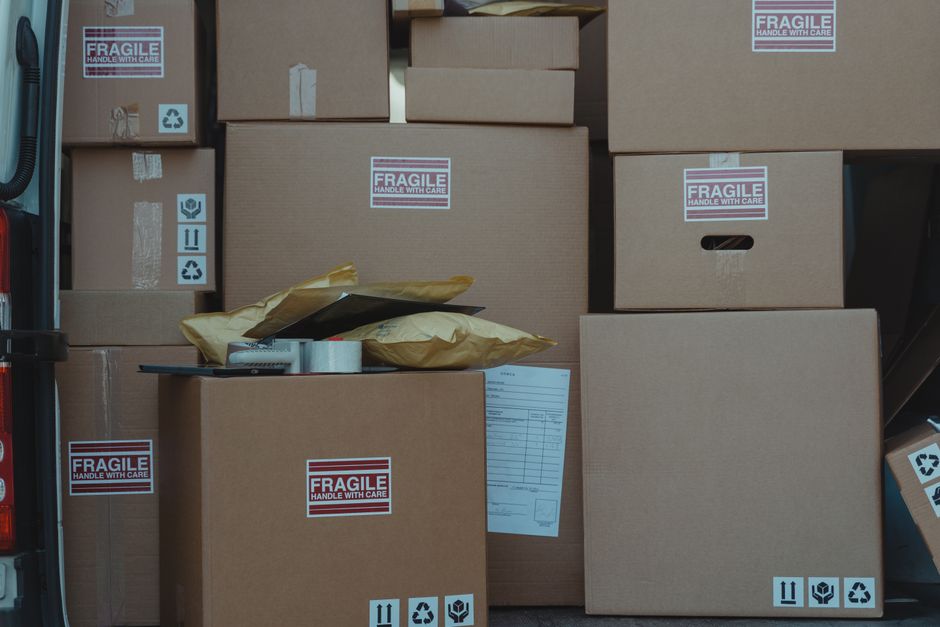
- A fragile designation on all four sides for anything breakable, with arrows indicating which end is up.
- A priority indicator if applicable — boxes you'll need to open on day one should be marked "OPEN FIRST."
This investment takes about 30 seconds per box and saves hours of searching and frustration on the other end. It also ensures that your moving crew — whether it's friends, family, or professionals — can place boxes correctly without asking questions at every trip.
What to Leave for the Movers and What to Do Yourself
If you're working with a professional moving crew, understanding the division of labor makes moving day smoother for everyone. In general:
- You should handle in advance: Cable labeling and disconnection, removal of fragile items from shelves, lamp disassembly, and the boxing of all small items and décor.
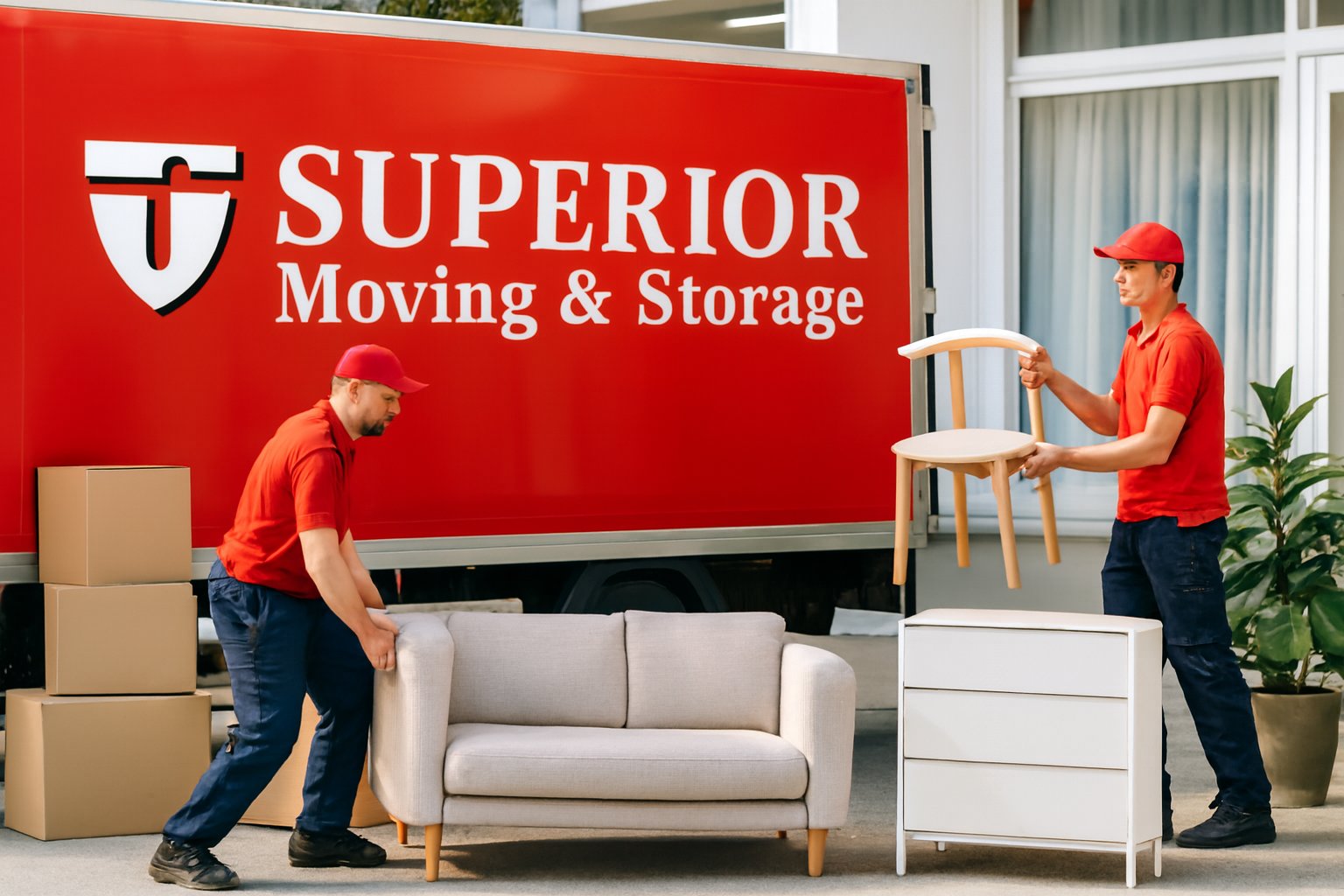
- Movers handle: Furniture wrapping and padding, furniture disassembly (if applicable), loading and sequencing items in the truck, and anything requiring specialized equipment.
Arriving at moving day with a living room that's fully boxed and ready — with furniture cleared of all objects and accessible from all sides — allows your crew to work efficiently and protects the quality of both the move and your belongings. If you'd prefer to leave the entire packing process to professionals, professional packing services are available and can handle your living room and every other room in the home.
Prepare for the Unpack Before You Leave
The best living room pack is one that makes the unpack easy. A few habits during the packing process pay significant dividends on arrival:
- Keep all TV and electronics cables coiled and labeled so setup is plug-and-play.
- Pack a "first day" box or bag with items you'll want immediate access to: remote controls, phone chargers, a power strip, any streaming device credentials, and whatever makes the living room feel like home immediately.
- Take photos of the assembled entertainment center, bookshelf arrangement, and any built furniture before disassembly so you have a reference for reassembly.
- Note which boxes contain your most-used items and mark them clearly so they come off the truck last (and therefore go into your new home first).
A thoughtful pack translates directly into a faster, less stressful settle-in — and getting your living room functional early makes the rest of the move feel more manageable.
Frequently Asked Questions
How do I safely pack a flat-screen TV for a move?
The best option is the original manufacturer's box, which was designed specifically for your TV model. If you no longer have it, purchase a flat-screen TV moving box in the correct size from a moving supply retailer. Always transport a flat-screen TV upright — never flat — and wrap the screen in bubble wrap before boxing. Disconnect and label all cables before packing, and take a photo of all connections on the back of the TV so you can reconnect everything easily at your new home.
Should I disassemble my sofa or sectional before the movers arrive?
For modular sectionals, yes — separate the individual sections before moving day. For standard sofas, you typically don't need to disassemble the frame, but you should always remove the cushions and pack or bag them separately. If your building has narrow doorways, tight staircases, or low ceilings, discuss access constraints with your moving company in advance. In some cases, furniture may need to be removed through a window using professional hoisting equipment, which is far safer than forcing a large piece through an incompatible space.
How do I pack books without making boxes too heavy?
Books should always be packed in small boxes — never medium or large — because they are far heavier than they appear. A fully loaded small box of books is already near the recommended lifting weight for a standard moving box. If the box starts to feel heavy before it's full, stop filling and add lighter items (like folded packing paper or small décor) to fill the void. Pack books spine-up or flat — both orientations protect the binding — but never with the open pages facing down, as this can damage them.
How should I handle cables and cords from my entertainment center?
Before disconnecting anything, photograph all cable connections from behind the TV and each component. Then disconnect cables and label both ends of each one (for example: 'HDMI 1 — TV side' and 'HDMI 1 — Cable Box side'). Coil each cable neatly and secure it with a velcro strap or cable tie — not rubber bands, which can degrade and snap. Pack cables in labeled zip-lock bags or a small box grouped by component so reassembly is straightforward. Remove batteries from remotes and store them separately to prevent corrosion during the move.
What's the right way to pack lampshades?
Lampshades must always be packed separately from the lamp base — never together. Pack the shade in a large box with crumpled packing paper stuffed inside the shade for support and surrounding it on all sides to prevent crushing. Never stack shades or allow other items to rest on top of them. The lamp base should be wrapped in bubble wrap and boxed upright with padding. Remove and discard the bulb rather than trying to pack it — bulbs rarely survive a move intact and are inexpensive to replace.



Have Questions About Your Move?
Find clear answers to common moving questions. Learn more about our services, process, and what to expect on moving day.
Our team is here to help. Contact us for personalized assistance with your moving needs.
Ready for a Stress-Free Move?
Let our family help your family with a move handled the right way from start to finish. Request your free quote today and see why Philadelphia families have trusted us since 1981.