.webp)

How to Choose the Right Moving Insurance: A Complete Guide to Protecting Your Belongings
Written by:
Superior Moving & Storage
Published:
July 4, 2026
Learn how to choose the right moving insurance for your move. Understand released value, full value protection, and third-party options before moving day.
Understanding moving insurance is one of the most overlooked parts of planning a move — and one of the most important. Most people spend weeks choosing the right moving company, comparing quotes, and organizing their packing timeline, but when it comes to protecting their belongings during transit, they accept the default option without reading a word of the fine print. At Superior Moving & Storage, we believe that shouldn't happen. Whether you're moving across Philadelphia, relocating to New Jersey, or heading out of state, knowing what coverage you have — and what you don't — can mean the difference between a frustrating claims experience and a fully resolved one. This guide explains how moving insurance works, what your real options are, and how to make the right call for your specific move.
Moving coverage isn't one-size-fits-all. The right protection for a studio apartment move is different from what you need when relocating a house full of antiques, electronics, or irreplaceable items. Here's how to think through it clearly.
What Moving Insurance Actually Means
First, a terminology clarification that matters: strictly speaking, moving companies don't sell "insurance" — they offer valuation coverage, which is a legal term defined under federal moving regulations. True insurance is sold by third-party insurers. The distinction matters because valuation and insurance work differently, reimburse differently, and have different claim processes.
When a moving company provides valuation, they're agreeing to a certain level of liability for your goods. When a third-party insurer provides coverage, they're underwriting a separate policy that operates independently of the carrier. Most people use the word "insurance" to refer to both — and that's fine for everyday conversation — but when you're reviewing documents before your move, you'll want to know which type you're actually looking at.
The Two Standard Valuation Options Every Mover Must Offer
Under federal law, all interstate movers are required to offer customers at least two levels of valuation protection. Many local movers follow the same framework even when not legally required to. Here's what each option means in practice.
Released Value Protection (the Default)
Released value protection is the baseline coverage included in every move at no additional charge. It sounds reassuring until you read the fine print: it pays out at a rate of 60 cents per pound per item. That means if your 20-pound flat-screen television is damaged or destroyed, you'd receive $12.00 — regardless of what you paid for it or what it would cost to replace it.
Released value protection exists as a legal minimum, not as meaningful financial protection. If you're moving high-value electronics, artwork, jewelry, or furniture that cost more than a few dollars per pound, released value coverage will almost certainly leave you undercompensated in a claim scenario. Most customers don't realize this until after the move.
Full Value Protection
Full value protection is the more comprehensive option. Under this coverage, if a covered item is lost, damaged, or destroyed, the moving company is responsible for either repairing the item, replacing it with a similar item, or making a cash settlement at the item's current market value. This is meaningfully better than released value — but it comes at an additional cost, and the exact price varies by carrier and shipment value.
Full value protection also typically comes with a deductible, and it may exclude items of extraordinary value unless those items are specifically listed on a high-value inventory form before the move. If you have artwork, antiques, collectibles, or jewelry, ask your moving company specifically about the declaration process before moving day.
For most households moving goods of meaningful value, full value protection from your mover is worth serious consideration — but it's not the only option, and in some cases, it may not be the best one.
Third-Party Moving Insurance: When It Makes Sense
Third-party moving insurance policies are sold by independent insurance companies and operate separately from whatever valuation your mover provides. They're worth exploring in several situations:
- When you have high-value items your mover's coverage may cap. Many full value protection policies have per-item limits or require special declarations. A dedicated third-party policy may offer more straightforward coverage for specific valuables.
- When you want coverage your mover's valuation doesn't include. Mover valuation typically doesn't cover items you pack yourself, certain fragile items, or damage that occurs due to "acts of God" like flooding or earthquakes. Third-party policies vary widely, so read the exclusions carefully.
- When you're storing items during your move. If your belongings will spend time in a storage facility — either as part of a staged move or because your new home isn't ready — ask your mover and your third-party insurer whether coverage extends to the storage period. Our storage services include secured facilities, but coverage questions should be resolved before items arrive.
- When you want an independent claims process. Some customers prefer dealing with an insurance company rather than their mover when a claim arises. Third-party insurance separates those relationships entirely.
Reputable third-party moving insurers include names you may recognize from the broader insurance industry, as well as specialty providers that focus exclusively on transit coverage. Prices and terms vary significantly — get quotes from at least two providers and compare exclusion lists, not just premiums.
What Moving Insurance Typically Does Not Cover
Understanding coverage gaps is just as important as understanding what's included. Across both valuation options and many third-party policies, you'll commonly encounter the following exclusions:
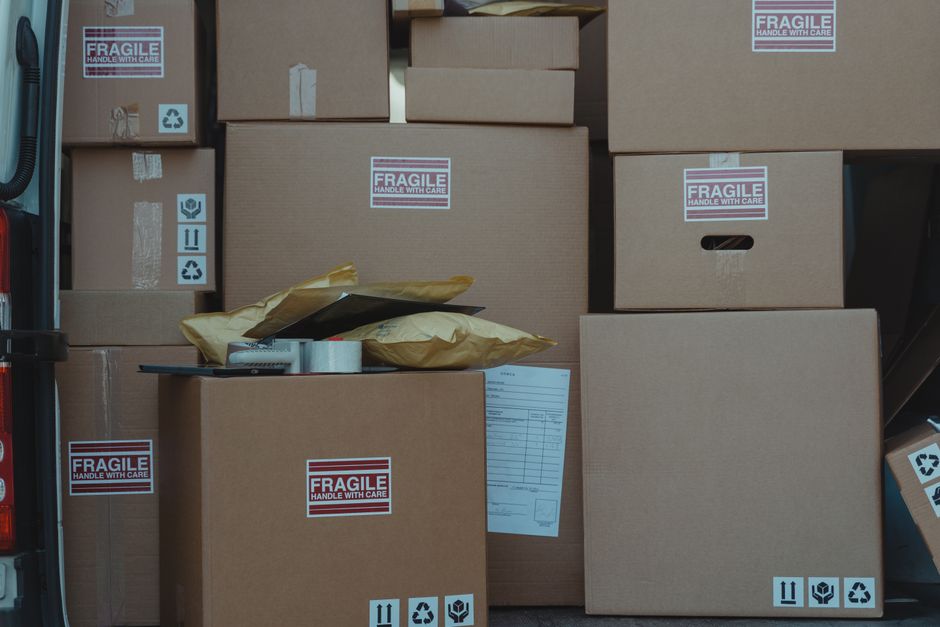
- Items packed by owner (PBO). If you pack a box yourself and its contents are damaged during transit, most movers will argue the damage was caused by improper packing — and their liability is limited or eliminated. If you want full coverage on fragile or valuable items, consider using professional packing services, which shifts that liability back to the mover.
- Mechanical or electrical derangement. If an electronic item stops working after the move but shows no external damage, many policies won't cover it — the assumption being that the malfunction was pre-existing or unrelated to the move.
- Items of extraordinary value not declared in advance. Jewelry, watches, cash, coins, documents, and fine art often require separate declaration or separate coverage. Don't assume they're automatically included.
- Damage from inherent vice. If an item breaks because of its own fragility or design limitations — not because of how it was handled — that's typically excluded.
- Damage to items in furniture. Drawers left loaded, clothing left in dressers, items inside appliances — these are commonly excluded from standard coverage.
Reading the exclusions section of any coverage document before your move is not optional. This is where the real policy lives.
How to Assess What Coverage You Actually Need
There's no universal right answer for moving coverage — it depends on the value of what you're moving, your risk tolerance, and what's already covered elsewhere. Here's a practical framework for making the decision:
Take a rough inventory of high-value items
You don't need a formal appraisal for every piece of furniture, but you should have a realistic sense of what your most valuable belongings are worth. Think about electronics, musical instruments, artwork, jewelry, appliances, and any furniture that would be expensive to replace. If the total value of your possessions significantly exceeds what released value protection would pay out, that's a signal to look at better coverage.
Check your existing policies
Your homeowner's or renter's insurance policy may already provide some coverage for belongings during a move. Contact your insurance provider before purchasing additional coverage to find out what's included, what's excluded, and whether a moving-specific rider is available. Don't pay twice for protection you already have — but don't assume you have coverage until you've confirmed it in writing.
Ask your moving company the right questions
When reviewing full value protection from your mover, ask specifically: What's the deductible? Are there per-item value caps? What items require a high-value declaration, and what's the deadline to submit it? How are claims processed and how long do they typically take? A reputable mover will answer these questions clearly. If the answers are vague, that's useful information too.
Match coverage to what you're moving
A local move of a small apartment with modest furnishings carries very different risk than a long-distance move of a full house with decades of accumulated belongings. Think proportionally. For moves involving specialty items — pianos, antiques, medical equipment, fine art — ask whether your mover has experience with those items and what specialty moving services include in terms of handling and liability.
What to Do If Something Is Damaged During Your Move
Even with a careful, professional crew, damage during a move is possible. Knowing what to do before it happens — not after — will protect your ability to file a claim successfully.
- Document everything before the move. Photograph furniture, electronics, and valuables before the crew arrives. Date-stamped photos provide important evidence if a claim is needed.
- Note damage on the delivery receipt before signing. If you notice damage during unloading, note it on the delivery paperwork before you sign. Signing without notation makes it harder to claim damage occurred during transit rather than after delivery.
- File promptly. For interstate moves, federal regulations give you nine months to file a claim, but filing sooner is always better. Local moves may have shorter windows — ask your mover about their specific claims process at the time of booking.
- Keep all original receipts and documentation. Purchase records, appraisals, and photographs all strengthen a claim. Keep these organized and accessible during and after your move.
How Superior Moving & Storage Approaches Valuation and Claims
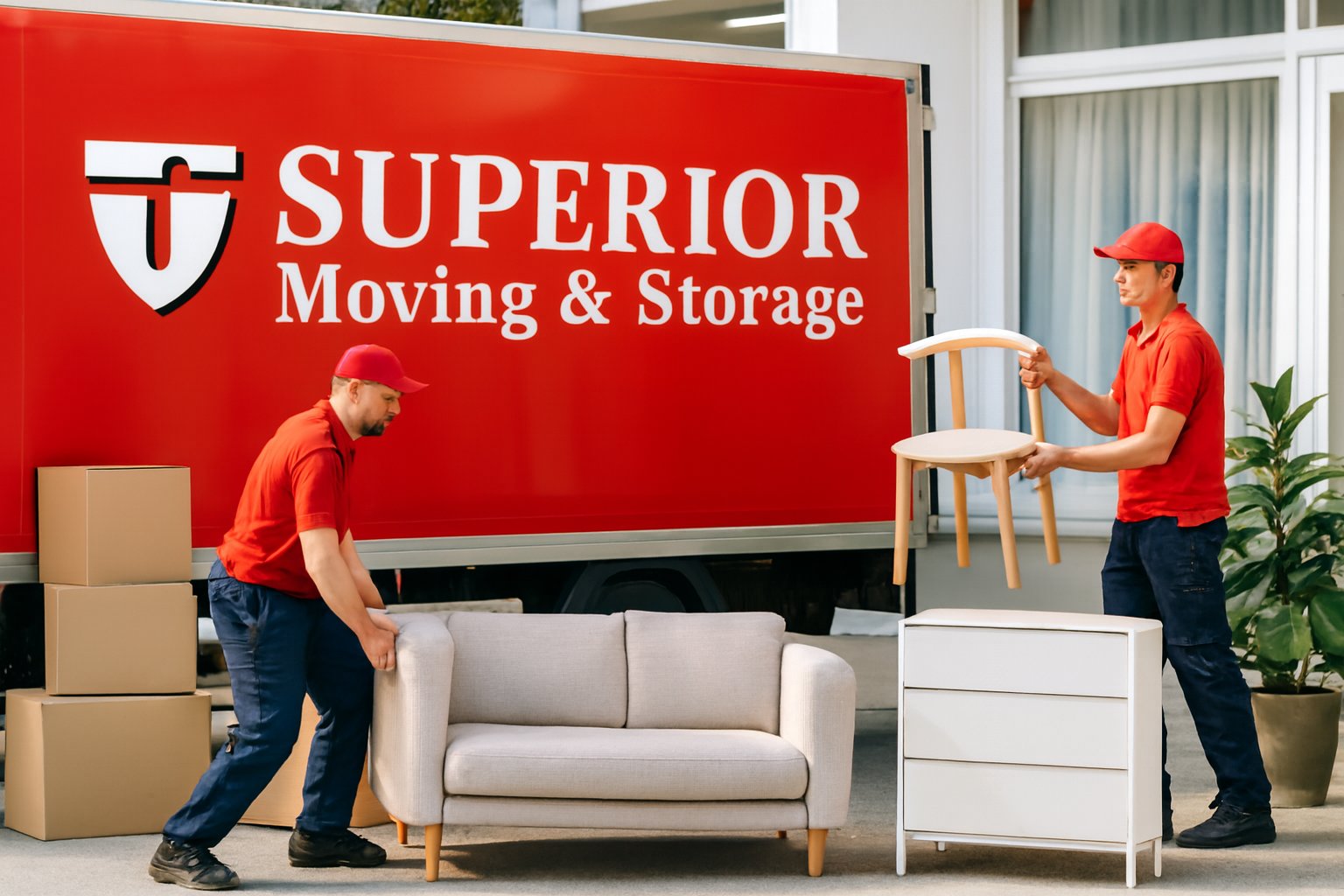
At Superior Moving & Storage, we take the handling of your belongings seriously — not just because it's our job, but because we understand that your possessions represent real value and real memories. We walk customers through their valuation options clearly before the move, not as an afterthought at the moment of signing. Our team is trained to handle items carefully, use appropriate protective materials, and flag anything that requires special attention before it ever goes on the truck.
For customers with particularly valuable or delicate belongings, we offer white glove moving services that include additional care protocols and specialized handling. For moves involving large, unusual, or high-value items, our specialty moving services are designed specifically to manage what standard household moving doesn't address.
The best outcome in any move is one where the coverage question never comes up because nothing goes wrong. That's what proper training, careful handling, and experienced crews are for. But knowing your coverage options before moving day means you're prepared either way — and that's exactly the position you want to be in.
Frequently Asked Questions
Is moving insurance the same as valuation coverage?
Not exactly. Valuation coverage is provided by your moving company and is governed by federal moving regulations — it defines the mover's liability for your goods. True moving insurance is a separate policy sold by a third-party insurance company. Both offer financial protection if your belongings are damaged, but they work through different processes and have different terms. It's worth understanding which type you have before your move date.
How much does full value protection typically cost?
The cost of full value protection varies by moving company and by the declared value of your shipment. Generally, you can expect to pay a percentage of the total declared value, often with a minimum charge and a deductible. Prices differ enough between carriers that it's worth asking for a specific quote rather than estimating. Compare what's included — particularly deductibles, per-item caps, and the high-value declaration process — not just the premium.
Does my homeowner's or renter's insurance cover moving?
It might. Some homeowner's and renter's insurance policies extend coverage to personal property during a move, but the specifics vary significantly by policy and insurer. Contact your insurance provider before your move to ask exactly what's covered, whether transit is included, and whether a rider is available. Never assume coverage exists — confirm it in writing before deciding whether to purchase additional protection from your mover or a third-party insurer.
Are items I pack myself covered by moving insurance?
Usually not, or only with significant limitations. When you pack a box yourself — often called 'packed by owner' or PBO in the industry — most movers' valuation coverage excludes damage to the contents on the grounds that they can't verify the items were packed properly. If you want full coverage protection on fragile or valuable items, using professional packing services is often the most reliable way to ensure liability stays with the mover if damage occurs.
What should I do if something is damaged during my move?
Start by documenting the damage as soon as you notice it. If you identify damage during unloading, note it on the delivery receipt before signing — this is important evidence. Then contact your moving company's claims department promptly. For interstate moves, federal regulations generally allow up to nine months to file a claim, but filing sooner always works in your favor. Keep photographs taken before and after the move, along with any purchase records or appraisals, to support your claim.



Have Questions About Your Move?
Find clear answers to common moving questions. Learn more about our services, process, and what to expect on moving day.
Our team is here to help. Contact us for personalized assistance with your moving needs.
Ready for a Stress-Free Move?
Let our family help your family with a move handled the right way from start to finish. Request your free quote today and see why Philadelphia families have trusted us since 1981.