.webp)

How to Move an Apartment: A Renter's Complete Moving Guide
Written by:
Superior Moving & Storage
Published:
June 20, 2026
Moving out of an apartment? Follow our complete renter's guide — from notifying your landlord to protecting your deposit and settling into your new place.
Knowing how to move an apartment successfully comes down to one thing: planning that accounts for the unique pressures renters face. Unlike homeowners, apartment dwellers are juggling overlapping lease deadlines, security deposit concerns, building move-in and move-out rules, elevator reservations, and parking restrictions — all at the same time. Miss one detail and what should be a clean transition turns into a costly, stressful ordeal. At Superior Moving & Storage, we help renters navigate every one of these challenges every day, and this guide distills that experience into a clear, actionable plan you can follow from notice to new home.
Whether you're moving out of a high-rise in Center City Philadelphia, a garden-style complex in Cherry Hill, or a walk-up rowhouse in South Philly, this guide covers every stage of the process — from giving notice to protecting your deposit on the way out.
Step 1: Give Proper Notice and Understand Your Lease
Before you book a truck or buy a single box, read your lease. Most rental agreements require 30 to 60 days' written notice before you vacate — and providing notice even one day late can cost you a month's rent. Confirm the exact date your notice must be received (not just sent), the format required (email vs. certified letter), and the name of the person or office it must go to.
Review Your Move-Out Obligations
Your lease likely spells out exactly what condition the apartment must be in when you leave. Common requirements include professional carpet cleaning, patching nail holes, returning all keys and fobs, and restoring any landlord-approved modifications you made. Read this section carefully now — not the night before you hand over the keys.
Document the Current Condition
As soon as you decide to move, walk through every room with your phone camera and photograph everything: walls, floors, ceilings, appliances, windows, and fixtures. Timestamp the photos. This documentation is your best protection against unfair deductions from your security deposit. Compare these photos to the move-in inspection report if you have one.
Step 2: Book Your Moving Resources Early
Apartment moves have more scheduling constraints than house moves — and those constraints affect how far in advance you need to book everything.
Reserve Building Elevators and Loading Docks
If your building has a service elevator, loading dock, or designated move-out window, contact your building manager as soon as you know your move date. These resources are often available on a first-come, first-served basis, and popular weekend slots fill up weeks in advance. Some buildings charge a refundable elevator deposit or a move-out fee — ask about this before move day so there are no surprises.
Confirm Parking for the Moving Truck
A moving truck needs space — often 40 to 50 feet of unobstructed curb. In dense urban neighborhoods, that space doesn't appear on its own. Contact your city's transportation department or parking authority about temporary parking permits for moving trucks. In Philadelphia, for example, permits can typically be arranged through the city's online portal, but they require a few business days' lead time. Skipping this step can result in your truck being towed or ticketed, which derails the entire day.
Hire Professional Movers for Your Apartment Move
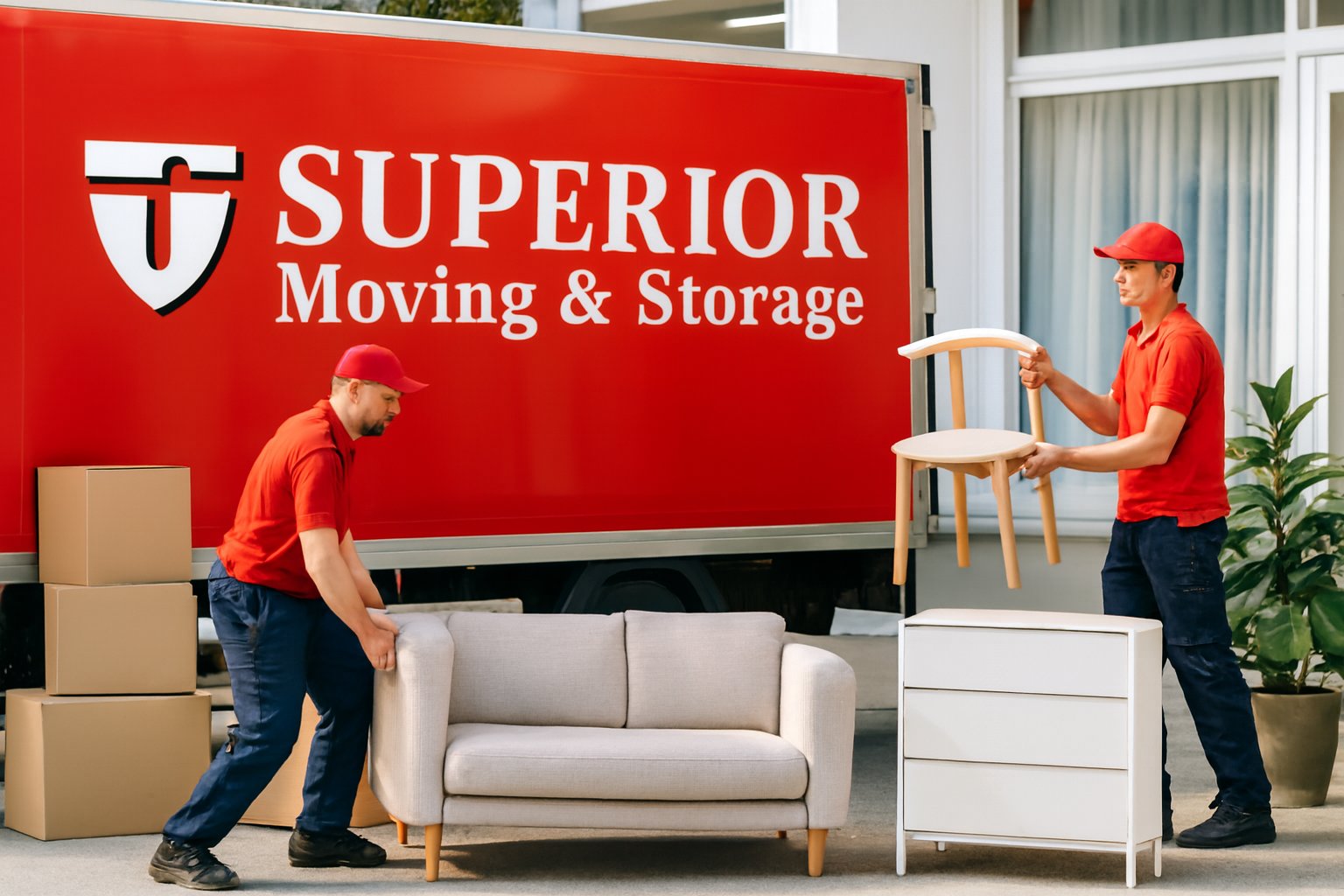
Apartment moves often involve tight hallways, narrow stairwells, and strict time windows — conditions where professional experience pays for itself quickly. Our local moving team is trained to handle apartment buildings of all sizes, and we can work within your building's move-out window to keep your day on schedule. If you only need help loading and unloading while you handle the truck, our labor-only moving services offer flexible support without the full-service price tag.
Step 3: Declutter Before You Pack a Single Box
Apartment living tends to encourage accumulation — small spaces get creative with storage, and it's surprisingly easy to lose track of how much you actually own until you start pulling things out of closets. Moving is the ideal moment to reset.
Sort Everything Before It Gets Wrapped
Work through your apartment room by room and make four piles: keep, donate, sell, and discard. Be ruthless. Every item you eliminate now is one you don't have to wrap, carry, load, unload, and find a place for in your new home. Closets, kitchen cabinets, bathroom vanities, and under-bed storage are where the most forgotten clutter tends to live.
Arrange Junk Removal Before Move Day
Items that are too worn to donate and too bulky to trash require a plan of their own. Scheduling junk removal services before move day means you're not discovering on moving morning that you have three broken chairs and a cracked dresser to deal with on top of everything else. Clearing out the junk first also makes packing far more efficient — you're only wrapping what's actually coming with you.
Step 4: Pack Smart for an Apartment Move
Apartment packing has its own logic. You're often working in limited floor space, packing everything you own simultaneously (because there's no spare room to stage boxes), and dealing with fragile items in a kitchen and bathroom that were organized for daily use, not transport.
Pack by Room, Label by Destination
The golden rule of packing is to keep each box's contents from a single room — and label every box not just with the room it came from, but with the room it's going to in the new apartment. This makes unloading dramatically faster because movers and helpers can place boxes directly where they belong without a sorting session at the destination.
Use the Right Boxes for Each Category
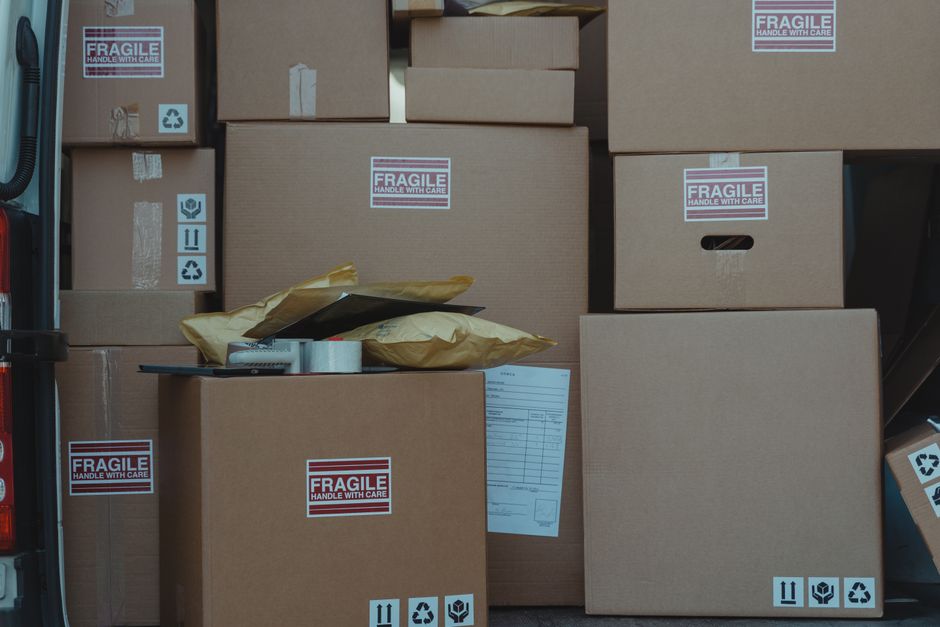
Small boxes for books, dishes, and heavy items. Medium boxes for pots, small appliances, and folded clothing. Large boxes for linens, pillows, and lightweight bulky items. Wardrobe boxes for hanging clothes. Using the wrong box size — particularly packing heavy items in large boxes — is one of the most common causes of box failure and back strain on moving day. If you'd rather skip box sourcing entirely, our professional packing services handle all of it for you, including fragile and specialty items.
Pack an Essentials Bag for Move-Out Day
Set aside a bag or small box that travels with you — not on the truck — containing everything you'll need for the last night in your old apartment and the first night in your new one. This should include: a phone charger, toiletries, a change of clothes, any medications, important documents (lease, ID, insurance cards), snacks, and a basic toolkit for reassembling furniture. Apartment move-in days can run long, and you may not have time or energy to dig through boxes for a toothbrush at 10 p.m.
Step 5: Execute Move-Out Day Properly
Move-out day at an apartment is more choreographed than a typical house move. Time, space, and building access are all constrained — and the clock is usually running from the moment you're given access to the service elevator or loading area.
Start Early and Load Heaviest Items First
Get an early start — especially if you're sharing elevator time with other tenants or working within a building-assigned window. Load the heaviest items first: furniture, appliances, box springs, and mattresses go to the back of the truck against the cab wall. Lighter and more fragile items load last so they're accessible first on the unloading end.
Do a Final Walk-Through Before You Hand Over the Keys
Once the apartment is empty, do a slow, methodical walk-through of every room, closet, cabinet, and storage area. Check: inside the oven and refrigerator, behind doors, inside every closet shelf, the bathroom medicine cabinet, the utility closet, and any outdoor storage space. It's remarkably common to leave behind items in spaces that become invisible once furniture is removed.
After the walk-through, take a second full set of timestamped photos of every room in its empty, cleaned condition. These photos document that you left the apartment in good order and are your primary evidence if a security deposit dispute arises later.
Step 6: Protect Your Security Deposit
For most renters, the security deposit — often equal to one or two months' rent — is a significant sum of money. Protecting it requires attention throughout the move-out process, not just on the last day.
Clean Thoroughly and Address Minor Repairs
Landlords in most states are legally permitted to deduct professional cleaning costs from your deposit if the apartment isn't returned in the same general condition it was received. Wipe down appliances inside and out, scrub bathrooms, clean baseboards, wipe light switches, and sweep and mop all floors. Patch small nail holes with spackle (which costs a few dollars at any hardware store) — these are typically not considered normal wear and tear in many leases and can result in deductions far exceeding the cost of a DIY patch.
Know Your Rights as a Tenant
Security deposit laws vary by state, but most require landlords to return your deposit — or provide an itemized list of deductions — within 14 to 30 days of move-out. Keep a copy of your forwarding address communication and your move-out photos in a safe place for at least 60 days after your move. If you believe a deduction is unfair, many states have tenant protection processes that allow you to challenge it.
Settling Into Your New Apartment
Once the truck is unloaded and the boxes are stacked, resist the urge to just collapse. A few small actions in the first 24 to 48 hours will make the following weeks much easier.
First, do your own move-in inspection of the new apartment and document any pre-existing damage before you unpack anything. Photograph it and send written notice to your new landlord or property manager immediately — this protects your new deposit from the start. Then, prioritize setting up your bedroom and bathroom so you have a functioning retreat while the rest of the unpacking happens at a reasonable pace over the coming days.
Update your address with the post office, your bank, your employer, and any subscriptions or government accounts. In most states, you have a defined window (often 10 to 30 days) to update your driver's license address — check the rules for your state and plan accordingly.
Moving an apartment is genuinely complex, but with the right plan and the right team, it's entirely manageable. At Superior Moving & Storage, we've helped thousands of renters across the Philadelphia region make exactly this transition — and we're ready to help you do the same.
Frequently Asked Questions
How far in advance should I start planning my apartment move?
Ideally, start planning at least 6 to 8 weeks before your move date. This gives you enough time to give proper lease notice, reserve building elevators or loading docks, book a moving company, gather packing supplies, and declutter before you start packing. If you're moving during peak season (May through September), booking your movers 8 to 10 weeks out is even better, as availability fills up quickly.
What should I do if my building has a limited move-out window?
Contact your building manager as soon as you know your move date and ask about the move-out policy, including elevator reservations, designated time windows, and any fees or deposits required. Then communicate your building's specific constraints to your moving company when you book — a professional team experienced with apartment moves will plan the job accordingly and can often complete a full move within a 4-hour window.
How can I protect my security deposit when moving out?
The three most important steps are: (1) Take timestamped photos of every room and surface before you move out, in cleaned condition. (2) Compare the apartment's condition to your original move-in inspection report and address any differences — patch nail holes, clean appliances, and restore anything you altered. (3) Send your forwarding address to your landlord in writing and keep a copy. Most states require landlords to return deposits or provide itemized deductions within 14 to 30 days.
Is it worth hiring professional movers for an apartment move?
For most apartment moves — especially those involving stairs, narrow hallways, elevator logistics, or a tight building time window — professional movers are well worth the cost. They bring the right equipment, experience navigating tight spaces, and the manpower to work efficiently within your building's constraints. If you're on a tighter budget, labor-only moving services let you rent the truck yourself while professionals handle all the heavy lifting and loading.
What should I pack in my essentials bag for move-out day?
Your essentials bag should include everything you'll need from the last night in your old apartment through the first night in your new one: phone charger, toiletries, medications, a change of clothes, important documents (lease agreement, ID, insurance), keys, snacks or easy food, and a basic toolkit. This bag should ride in your car — not on the moving truck — so it's always accessible regardless of where things are in the unloading process.



Have Questions About Your Move?
Find clear answers to common moving questions. Learn more about our services, process, and what to expect on moving day.
Our team is here to help. Contact us for personalized assistance with your moving needs.
Ready for a Stress-Free Move?
Let our family help your family with a move handled the right way from start to finish. Request your free quote today and see why Philadelphia families have trusted us since 1981.