.webp)

How to Create a Moving Timeline: A Week-by-Week Planning Guide
Written by:
Superior Moving & Storage
Published:
July 5, 2026
Learn how to build a moving timeline that keeps you organized from 8 weeks out to moving day. A week-by-week planning guide from Superior Moving & Storage.
Building a solid moving timeline is the single most effective thing you can do to prevent a move from spiraling into chaos. Most people approach moving as a single event — moving day — rather than what it actually is: a multi-week process with dozens of interdependent tasks. When you treat the move as one big thing, everything piles up at the end. When you break it into weekly milestones, each week becomes manageable, decisions get made when they need to be made, and nothing important falls through the cracks. At Superior Moving & Storage, we've helped thousands of families and individuals move across Philadelphia, New Jersey, Delaware, and beyond — and the customers who arrive at moving day calm and prepared almost always planned with a timeline. This guide gives you that timeline, week by week, with clear priorities for every stage of the process.
A moving timeline isn't a rigid script. It's a framework you adapt to your specific situation — whether you have eight weeks or three, whether you're moving a studio or a four-bedroom house, whether you're going local or long distance. Use what applies, skip what doesn't, and adjust the pacing based on your lead time.
Why a Moving Timeline Matters More Than You Think
The most common moving mistake isn't bad packing or a disorganized truck — it's poor sequencing. Tasks that should happen early get pushed to the last week, which compresses everything and forces rushed decisions. Rushed decisions cost money, cause damage, and create the kind of stress that makes people swear they'll never move again.
A timeline fixes sequencing. It tells you when to book your mover (early — earlier than you think), when to start decluttering (before you buy any packing supplies), when to notify institutions of your address change (sooner than the move itself), and when to start actually packing (not the night before). Each of those decisions has a right time, and a timeline maps it out.
There's also a financial dimension. Many moving costs — truck availability, crew scheduling, storage unit reservations — are more favorable when booked in advance. Last-minute bookings during peak season, particularly from May through August, often carry premium pricing or limited availability. A timeline keeps you ahead of those pressures.
Eight Weeks Out: Lay the Foundation
If you have eight or more weeks before your move, consider yourself fortunate. This window gives you time to make every major decision thoughtfully rather than reactively.
Research and book your moving company
The first priority at the eight-week mark is getting your mover secured. Research local moving companies, read reviews, and request quotes from at least two or three providers. Understand the difference between binding and non-binding estimates before you commit — our guide to reading a moving quote covers that in detail. Once you've selected a company, book it. Don't wait. Summer weekends and end-of-month dates fill up fast, and holding a slot early is almost always free.
Begin your declutter
Before you buy a single box or roll of tape, walk through your home and start identifying what's coming with you and what isn't. Decluttering before packing means you're not wasting time and materials on items you'll never unpack. It also reduces the volume of your move, which directly affects cost on both local (hourly) and long-distance (weight-based) pricing structures.
Decide on storage needs
If there will be a gap between your move-out and move-in dates, or if you're downsizing and need temporary storage for overflow items, now is the time to research your options. Storage services can bridge that gap cleanly, but units book up just like moving crews — especially during peak season. Confirm your storage needs and reserve space early.
Six Weeks Out: Decisions and Logistics
At the six-week mark, the foundation is set. Now you shift into planning the specifics of how the move will actually work.
Decide what services you need
Not every move is a full pack-and-go. Some customers pack themselves and only need labor for loading and unloading. Others want full-service packing, specialty handling for fragile items, or white-glove care for high-value pieces. Think honestly about what you can handle yourself and where professional help makes the most sense. If you have items that require special handling — large artwork, antiques, oversized furniture — flag those now so your mover can prepare accordingly.
Gather packing supplies
With a clear picture of what you're moving and what services you've booked, you can now estimate your packing supply needs. Order or collect boxes in a range of sizes, along with packing paper, bubble wrap, tape, and markers. If you're interested in eco-friendly alternatives, reusable moving crates are worth considering — they protect items well and eliminate cardboard waste.
Notify key institutions
Start the address-change process now, not a week before you move. Prioritize: USPS mail forwarding, your employer (for payroll and tax documents), financial institutions, insurance providers, and any subscription services. Some institutions take several weeks to process address updates, and you don't want important mail going to a home you no longer live in.
Four Weeks Out: Packing Begins
The four-week window is when packing should start in earnest — not the week of the move. Starting early means you can pack non-essential rooms and items first, keep your home livable while the process unfolds, and avoid the exhausting, error-prone marathon of last-minute packing.
Pack room by room, starting with low-use areas
The logical packing sequence moves from least-used to most-used. Start with guest bedrooms, storage areas, basements, attics, and seasonal items. Leave the kitchen, bathrooms, and bedrooms for the final week. Label every box clearly — not just with the room destination, but with a brief contents description. "Kitchen — spices and dry goods" is far more useful at unpacking than "Kitchen #4."
Handle specialty items
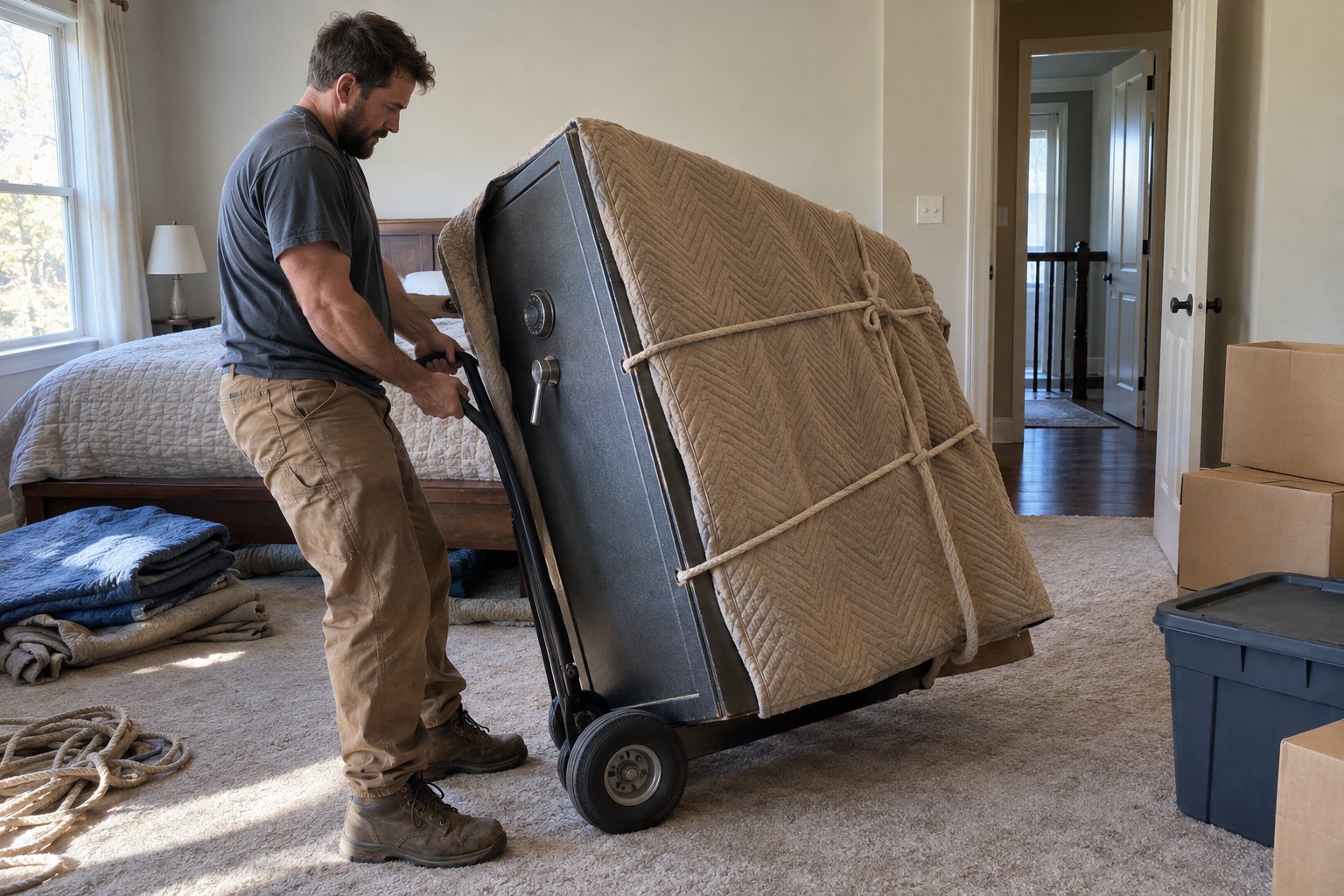
If you have items requiring special care — fine art, antiques, a piano, oversized furniture, or items requiring hoisting from an upper floor — confirm the logistics with your mover now. Specialty moves require advance planning around equipment, crew size, and sometimes permits. Waiting until the week of the move to raise these items creates last-minute scrambles that could have been avoided.
Confirm your moving day plan
Touch base with your moving company to confirm date, time, crew size, and any special instructions. Make sure you've communicated parking logistics, elevator reservations in buildings that require them, and any access restrictions at either end of the move. Getting ahead of these details prevents delays on moving day.
Two Weeks Out: Final Preparations
Two weeks before the move, the bulk of your planning should be complete. This window is for tying up loose ends and making sure moving day itself will go smoothly.
Pack everything except daily essentials
By the two-week mark, you should be packed or nearly packed in all rooms except for what you actively need day-to-day. Keep a small kit of essentials — toiletries, a few changes of clothes, important documents, medications, phone chargers, and anything else you'll need access to right up until you leave. Pack that last, and keep it separate so it's the first thing you unload.
Photograph electronics setups and furniture configurations
Before you disassemble anything, take photos. A quick picture of the back of your entertainment center tells you exactly how every cable connects when you're setting up at the new place. Photos of furniture placement can help inform where things go at your destination. It takes two minutes per room and saves significant frustration later.
Prepare your new home
If possible, do a walkthrough of your new home before moving day to confirm utilities are active, floors are clean, and you know where key infrastructure — the circuit breaker, water shutoff, HVAC controls — is located. Arriving with your belongings at a home that isn't ready to receive them adds friction to an already demanding day.
Moving Week: Execute the Plan
By moving week, the heavy lifting is done — literally and figuratively. You've decluttered, packed, booked your mover, handled your address changes, and prepared both homes. This week is about execution.
The day before
Finish any remaining packing. Set aside your essentials bag in a clearly marked location separate from everything else being moved. Confirm your appointment with your moving crew one final time. Charge your phone. Get a good night's sleep. The best thing you can do the night before a move is be rested.
Moving day
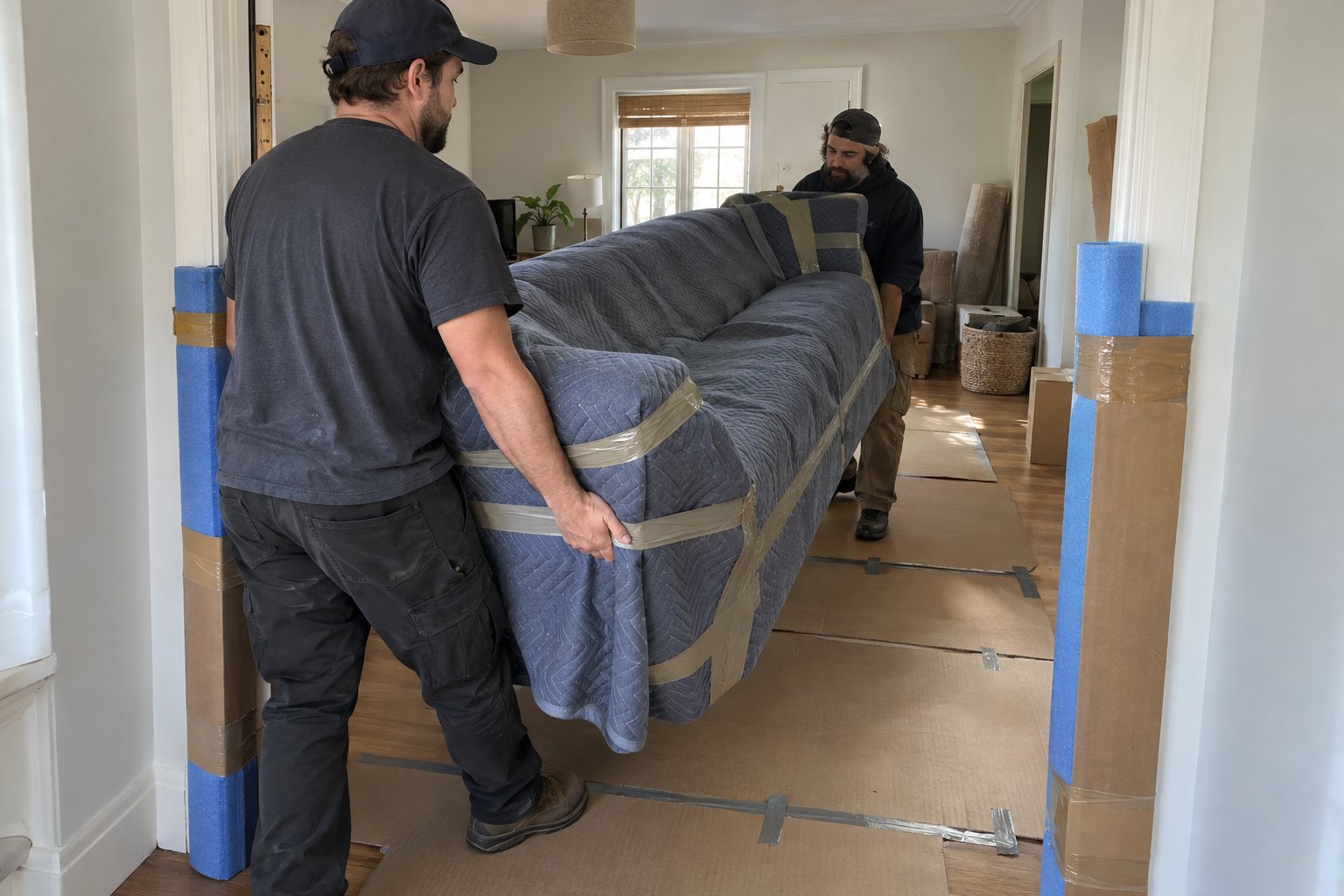
Be present and available to direct the crew. Do a final walkthrough of every room, closet, cabinet, and storage space before the truck leaves — it's easy to miss items in corners or behind doors. Once everything is loaded, do a second walkthrough of your old home to confirm nothing was left behind. Then focus on your new space: direct placement of furniture and boxes as they come off the truck, because repositioning a sofa after it's already in the room is much harder than placing it right the first time.
After the Move: Close the Loop
The move isn't fully done when the truck pulls away. A few final steps complete the process and set you up well in your new home.
- Unpack essentials first. Get your bedroom, bathroom, and kitchen functional before tackling everything else. Living out of boxes is stressful; a functional home base makes the rest of the unpacking feel manageable.
- Check your belongings for damage. Document any issues promptly. If your mover provided valuation coverage, review the claims process and file within the required window.
- Complete remaining address updates. Update any institutions you missed earlier — your state DMV, voter registration, healthcare providers, and any professional licenses or memberships.
- Return borrowed or rented supplies. If you rented moving crates or borrowed equipment, return them promptly to avoid additional fees.
- Review your moving company. Leave an honest review. Movers rely on customer feedback, and your experience — positive or constructive — helps other people make informed decisions.
A well-built moving timeline transforms what can be an overwhelming experience into a manageable one. The key insight is simple: every week of preparation you do in advance is a week of stress you don't carry with you to moving day. Start early, stay organized, and don't try to do everything at once.
If you're planning a move in the Philadelphia area, New Jersey, or Delaware, Superior Moving & Storage is here to help you execute every phase. Explore our local moving services or reach out to discuss your timeline and what level of support makes sense for your move.
Planning Guides for Specific Moves
- How to move with kids
- How to move an apartment
- How to move a senior parent
- DIY vs. hiring a Philadelphia moving service
Frequently Asked Questions
How far in advance should I start planning my move?
For most moves, eight weeks is an ideal lead time — it gives you room to research and book a mover before peak dates fill up, complete a thorough declutter before buying packing supplies, and spread the packing workload over several weeks rather than compressing it into the final days. That said, successful moves happen with shorter timelines all the time. If you have four weeks, prioritize booking your mover and starting to pack immediately. If you have two weeks or less, focus on what's essential and consider leaning on professional packing services to cover the gap.
When should I book my moving company?
As early as possible — ideally six to eight weeks out, and even earlier if you're moving during peak season (May through August) or on a high-demand date like a Friday, Saturday, or the last day of the month. Moving companies fill their schedules quickly during busy periods, and waiting until two or three weeks before your move can leave you with limited options or premium pricing. Booking early also gives you time to compare estimates thoughtfully rather than accepting whatever is available at the last minute.
What should I pack last when building my moving timeline?
The last things to pack should be the items you use every day: bedroom essentials (bedding, a few changes of clothes), bathroom basics (toiletries, medications), kitchen items you'll need up to moving day, important documents, phone chargers, and any irreplaceable personal items. Pack these into a clearly labeled 'open first' bag or box that travels with you — not buried in the truck — so you have immediate access to everything you need when you arrive at your new home.
How do I handle address changes when planning a move?
Start address changes earlier than you think necessary — ideally four to six weeks before your move date. Begin with USPS mail forwarding (which takes a few days to activate), then work through financial institutions, employers, insurance providers, healthcare providers, and subscription services. Some institutions, particularly government agencies like the DMV and voter registration offices, have their own timelines and may require in-person or mail-based updates. Building address changes into your planning timeline rather than treating them as a post-move afterthought prevents important mail and documents from going to your old address.
Does the length of my timeline change for a long-distance move versus a local one?
Yes — long-distance moves generally benefit from a longer planning window. Interstate moves involve more regulatory complexity, weight-based pricing that rewards careful decluttering, and longer booking lead times since long-distance crews and trucks are scheduled further in advance. For a long-distance move, aim for a ten to twelve week lead time if possible. Local moves can often be planned effectively in four to six weeks, though earlier is always better for securing your preferred date and crew.


Have Questions About Your Move?
Find clear answers to common moving questions. Learn more about our services, process, and what to expect on moving day.
Our team is here to help. Contact us for personalized assistance with your moving needs.
Ready for a Stress-Free Move?
Let our family help your family with a move handled the right way from start to finish. Request your free quote today and see why Philadelphia families have trusted us since 1981.