.webp)
How to Handle Moving Day Like a Pro: A Complete Guide to Running a Smooth Move
Written by:
Superior Moving & Storage
Published:
July 9, 2026
Learn how to run a smooth moving day from start to finish — including what to do the night before, how to manage your crew, and what to handle last.
Getting your moving day tips right can be the difference between a seamless relocation and an exhausting, costly ordeal. You've spent weeks — maybe months — planning your move: booking a mover, gathering packing supplies, notifying institutions of your address change, and filling box after box. But when moving day actually arrives, all of that preparation gets tested. At Superior Moving & Storage, we've run thousands of moves across Philadelphia, New Jersey, Delaware, and beyond — and we've seen firsthand that the customers who have the smoothest moving days are the ones who treat the day itself as its own phase of the project, not just the finish line. This guide gives you a complete, actionable plan for how to handle moving day from the night before through the final walkthrough at your new home.
Moving day is not a single moment. It's a sequence of decisions, handoffs, and logistics — many of them happening simultaneously, most of them time-sensitive. A clear plan ensures that nothing important gets missed in the chaos.
The Night Before: Set Yourself Up for a Fast Start
The most important moving day preparation happens the evening before. By the time the movers arrive, you want to be ready — not scrambling.
Finish Your Packing (Really Finish It)
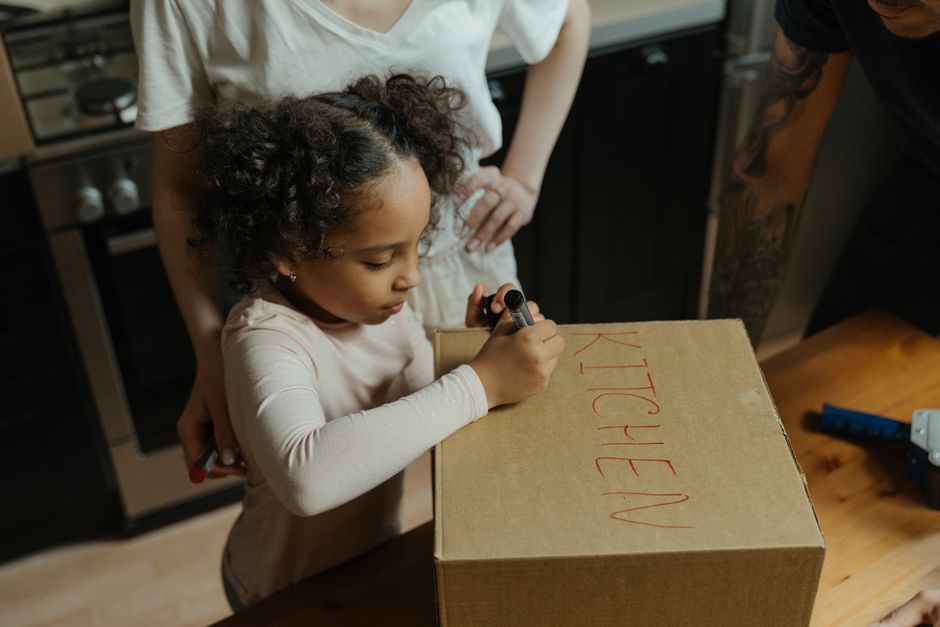
It sounds obvious, but an enormous number of moves start late because boxes aren't sealed when the crew arrives. Make a firm rule: no box goes unlabeled, no item goes unboxed when you go to sleep the night before. The only exceptions should be true overnight essentials — toiletries, a change of clothes, phone chargers, medications — which should live in a clearly marked "open first" bag or box that stays with you, not on the truck.
Prep Your Essentials Kit
Before you go to bed, set aside a dedicated bag or small box that doesn't get loaded. This kit should include: your moving paperwork and the mover's contact information, your ID and any documents you'll need at closing or for your lease, snacks and water bottles for the day, phone chargers, basic tools (a box cutter, a screwdriver), and any medications or valuables that should never leave your direct control. Having this kit ready means you can stay functional throughout a long moving day without digging through a truck to find your phone charger.
Confirm Everything With Your Mover
The night before, send a quick confirmation to your moving company. Verify the arrival window, confirm the destination address, and ask whether there's anything the crew needs from you first thing — parking arrangements, elevator reservations, building access codes. Movers deal with dozens of variables on any given day; a confirmation keeps everyone on the same page and gives you a chance to surface any last-minute details before 7 a.m.
Morning of Moving Day: The First Two Hours
The first two hours of moving day set the pace for everything that follows. A fast, organized start means the crew can work efficiently; a slow, confused start compounds throughout the day.
Clear the Path Before the Crew Arrives
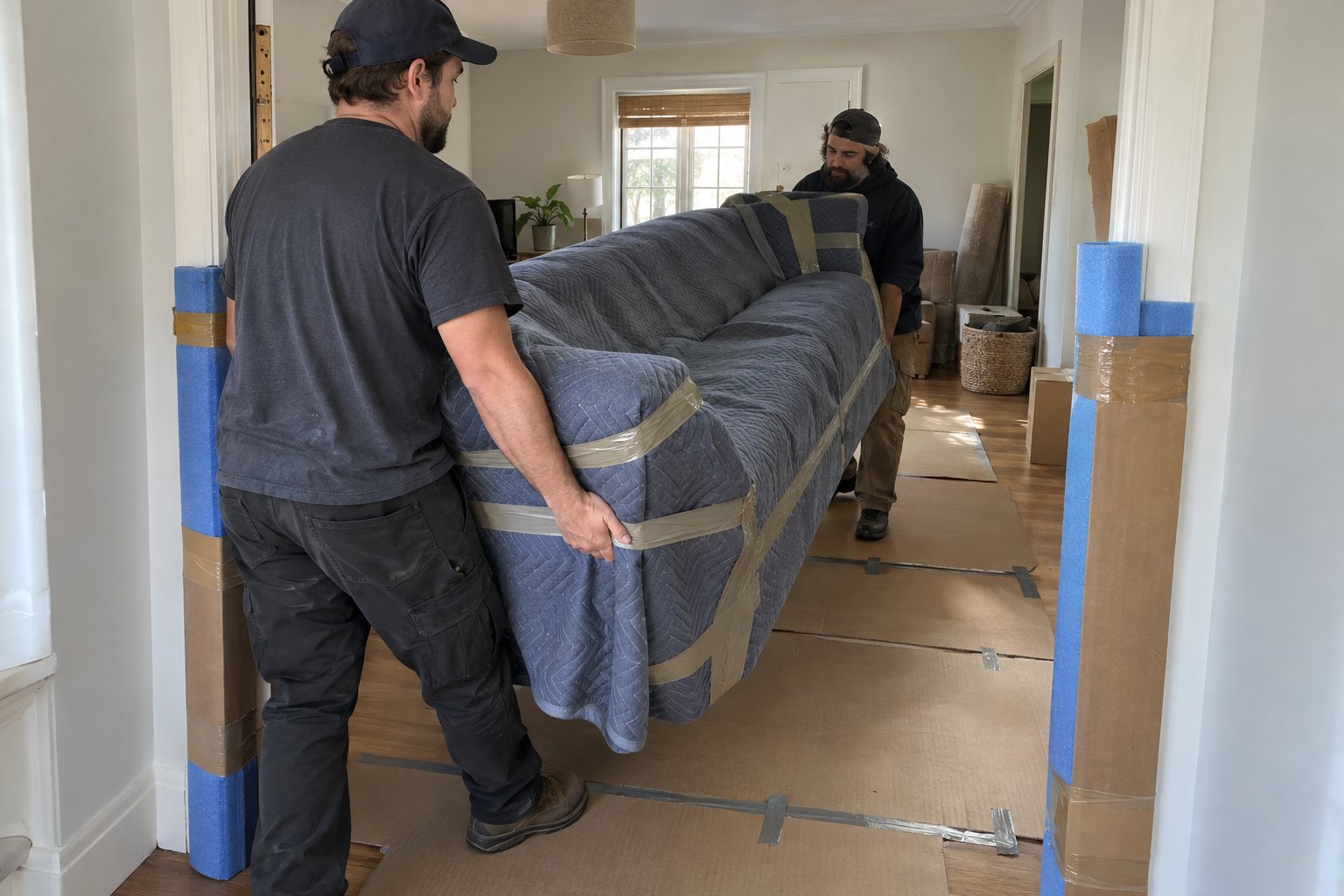
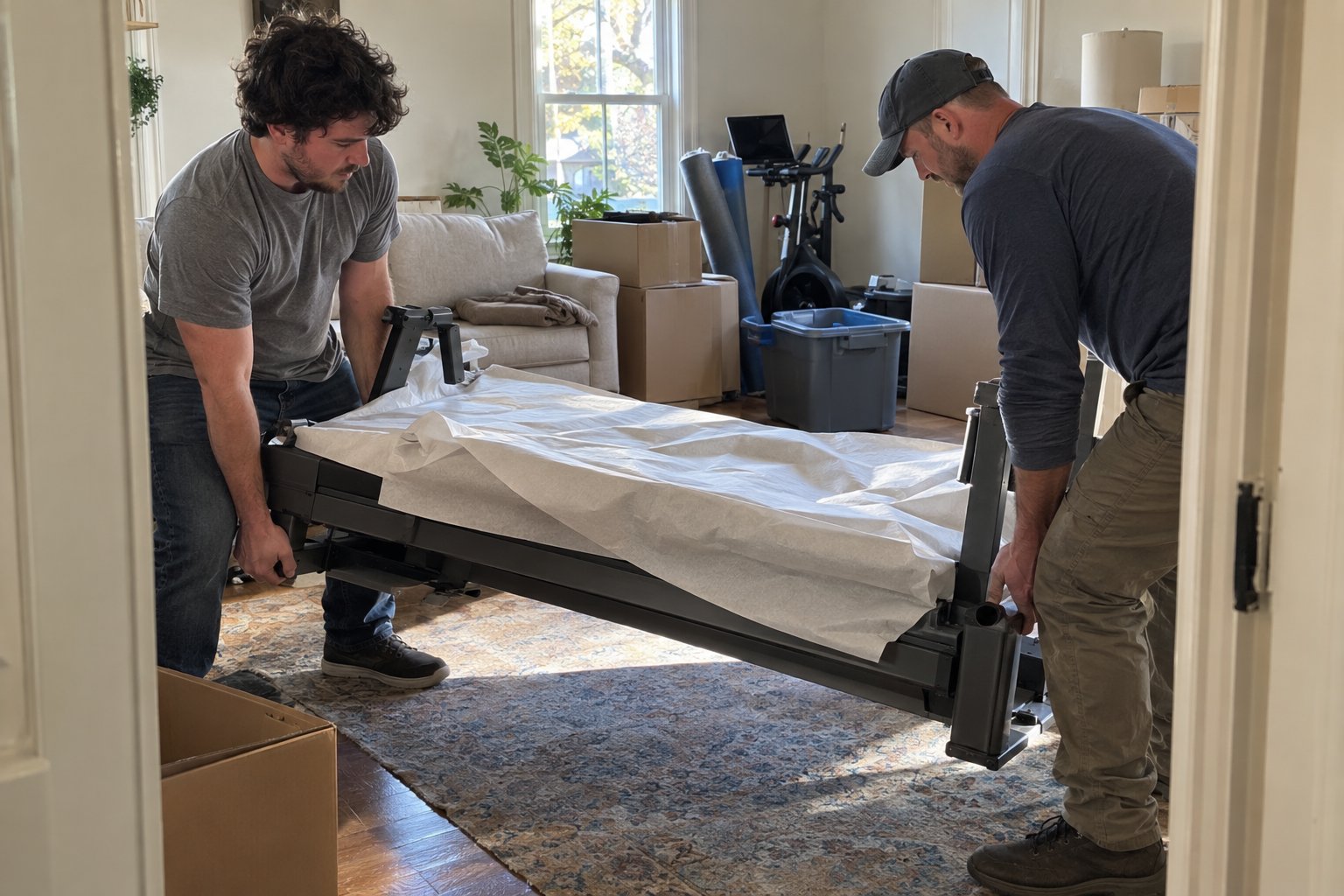
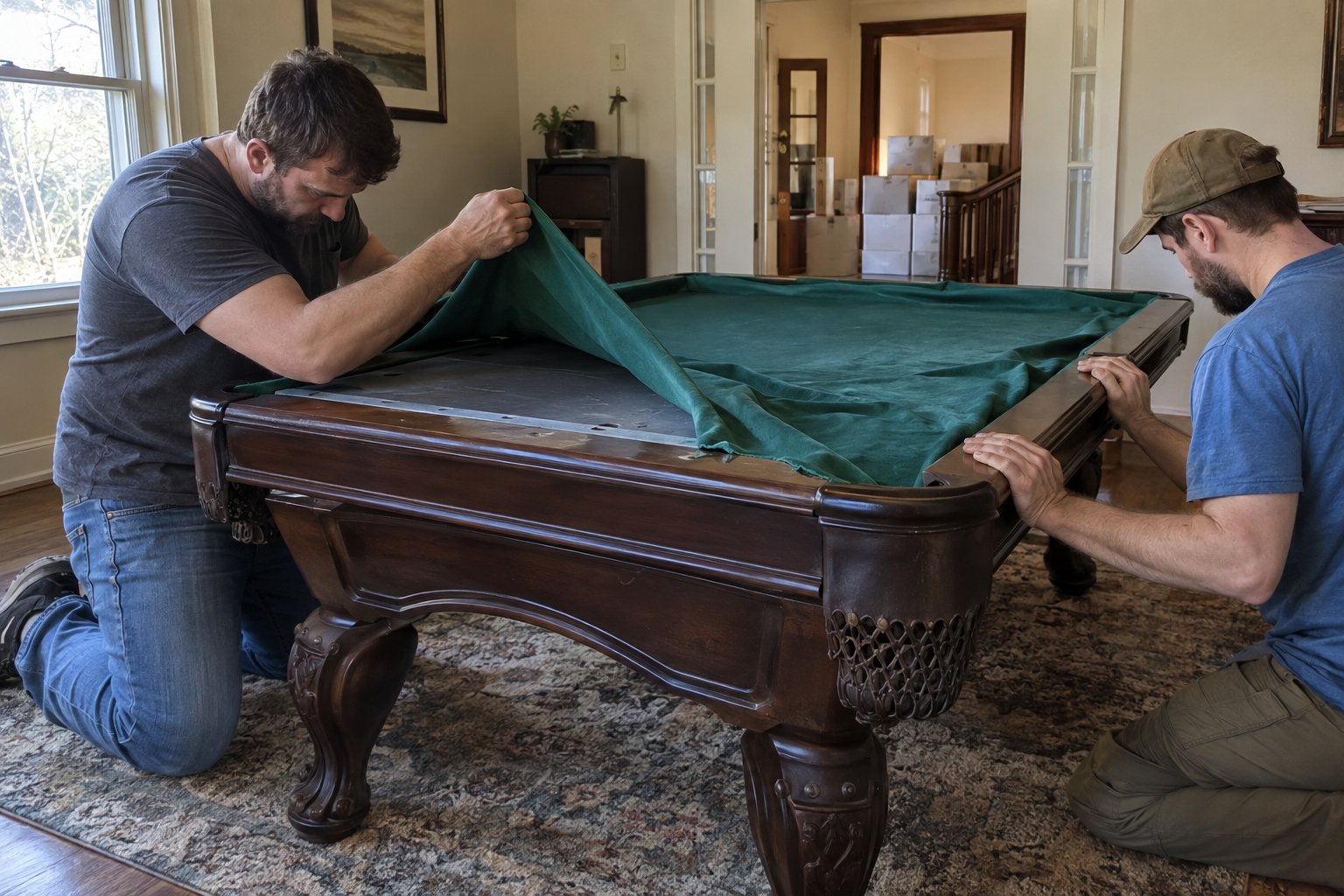
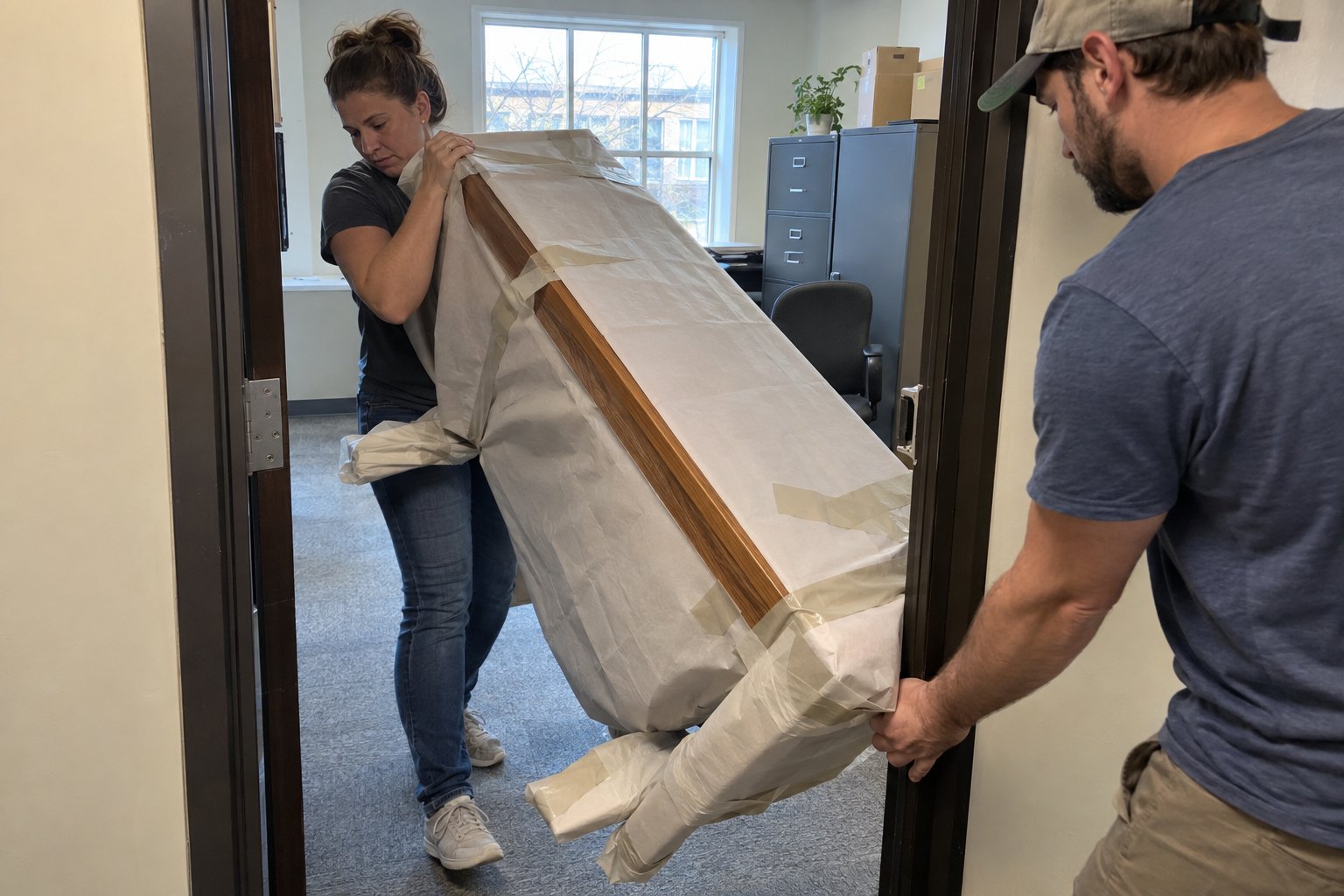
Before your movers walk in, walk through the home and clear every path that will be used: front door to truck, hallways, stairwells. Remove rugs that could bunch up underfoot, prop open doors that would otherwise swing shut, and make sure children and pets are secured and out of the way. If you have a specialty moving situation — oversized furniture, a piano, items that need hoisting — flag those immediately when the crew arrives so they can plan their approach from the start rather than discovering an obstacle mid-job.
Do a Room-by-Room Walkthrough With the Crew Lead
When your movers arrive, take five to ten minutes to walk through the home with the crew lead. Show them every room, point out items that need special handling, and identify anything that is not going on the truck (items you're leaving behind for the new owners, items you're donating, a car you're driving yourself). This walkthrough prevents confusion, ensures the crew knows your priorities, and gives everyone a shared mental map of the job before the first box is lifted.
Establish a Staging Area
Designate a clear staging area — typically just inside the front door or in the driveway — where packed boxes can accumulate before being loaded. A staging area creates a natural workflow: boxes move from rooms to the staging area, then from the staging area to the truck. Without one, movers are constantly making decisions about routing, which slows the load significantly.
Managing the Move While It's Happening
Once loading begins, your role shifts from preparer to coordinator and communicator. You don't need to micromanage a professional crew — that actually slows things down — but you do need to stay available, attentive, and organized.
Stay Present but Out of the Way
Position yourself somewhere accessible — ideally near the staging area or at the truck — so the crew can find you quickly with questions. But don't hover over individual movers or try to direct specific lifts. Professional movers have established techniques for maneuvering heavy items safely. Interfering with those techniques, even with good intentions, can create safety risks and slow the job. Trust your crew to handle the physical work; your job is to answer questions and make decisions.
Keep a Running Inventory
As boxes and furniture pieces go onto the truck, keep a rough count or check items against your inventory list if you made one. You don't need to document every single item in real time — that's impractical — but having a general sense of what's loaded helps you do a thorough final walkthrough before the truck leaves. If you're working with local movers, you'll typically accompany the truck to the destination; for a long-distance move, your inventory becomes even more critical because you won't be present for unloading until the truck arrives days later.
Handle Parking and Building Access Proactively
If you're moving out of an urban home or apartment building — particularly in a dense city like Philadelphia — parking for the moving truck is one of the most common sources of delay. If you haven't already arranged a parking permit or reserved a loading zone, do it before the truck arrives. Many buildings also require advance notice to reserve a freight elevator or loading dock. These are details that should be handled in the planning phase, but if they weren't, address them the morning of rather than letting the crew arrive to a blocked loading area.
The Final Walkthrough: Don't Skip This Step
Before the truck pulls away from your old home, do a complete, methodical walkthrough of every space in the building. This is one of the most important steps of the entire move — and one of the most commonly skipped.
Check Every Room, Closet, Cabinet, and Drawer
Go room by room and check every closet, every cabinet, every drawer, every shelf. Check the attic, basement, and garage. Check outdoor spaces — a shed, a deck storage box, a garage shelf. The items most commonly left behind are the ones in easy-to-overlook places: the back of a closet shelf, a drawer you rarely open, a cabinet above the refrigerator. Once the truck is gone and you're at the new address, retrieving a forgotten item is a significant inconvenience at best.
Check Appliances and Fixtures
Confirm that any appliances you're taking have been properly disconnected and are on the truck. Check that items you're leaving — appliances included in the sale, light fixtures, curtain rods — are still in place. It's not uncommon for items to be inadvertently packed when they were supposed to stay. A walkthrough is the moment to catch those errors.
Do a Utilities Check
Before you leave, confirm that the utilities you were responsible for have been properly handled: thermostat set appropriately for the season, water turned off if required, doors and windows secured, and keys, garage openers, and access codes accounted for. If you're renting, you'll want to document the condition of the space with photos before you hand over the keys.
Arrival at the New Home: Starting the Unload Right
When the truck arrives at your new address, the same principles that made your load efficient apply to your unload. A few minutes of setup before the first box comes off the truck will pay dividends for hours.
Direct Traffic by Room
Position yourself at the door of your new home and direct each item to the correct room as it comes off the truck. This is significantly more efficient than letting the crew place everything in whatever room is closest and moving things later. Use your box labels to direct traffic — "kitchen," "master bedroom," "living room" — and keep the crew moving in a consistent pattern. If you've hired professional packing services and your boxes are well-labeled, this phase can move very quickly.
Prioritize Furniture Placement
Large furniture pieces — beds, sofas, dining tables, dressers — are the hardest things to move once the crew leaves. Get those placed correctly before the crew departs. It's much easier to reposition a sofa with four experienced movers than to do it yourself the next morning. Walk through furniture placement decisions quickly; you don't need perfection, just a workable arrangement that you can refine later.
Do a Final Count and Sign Off Thoughtfully
Before your moving crew departs, do a quick count of major items against your inventory and walk through the space to confirm everything arrived and nothing is visibly damaged. If you notice damage, document it immediately — photos, notes, and a conversation with the crew lead — before signing any completion paperwork. Most reputable movers, including Superior Moving & Storage, want to know about damage immediately so it can be addressed properly through the appropriate claims process.
After the Crew Leaves: The First Night in Your New Home
The movers are gone. The boxes are in their rooms. Now what?
Resist the urge to unpack everything at once. The first night in a new home should focus on functionality, not completeness. Set up your bed so you have somewhere to sleep. Locate your toiletries and a towel. Find the kitchen essentials — plates, glasses, a pot if you're cooking, or simply know where your takeout options are. Everything else can wait until tomorrow.
Take ten minutes to walk through the new space and make a mental note of the order in which you want to tackle rooms. If you've already read our room-by-room unpacking guide, you'll have a clear framework for the days ahead. For now, the goal is to sleep in your new home without tripping over boxes in the dark.
Moving day is intense, but it's finite. With the right preparation, a clear plan, and a professional crew you trust, it can also be genuinely manageable — even smooth. The goal is to arrive at your new home at the end of the day feeling organized, not overwhelmed.
Frequently Asked Questions
What should I do the night before moving day to be ready?
Finish all packing and seal every box before you go to sleep. Prepare an essentials kit — including documents, medications, phone chargers, snacks, and a change of clothes — that stays with you rather than going on the truck. Confirm your moving crew's arrival window and verify any logistics like parking reservations or elevator access at your building.
Should I stay home during the entire move or can I run errands?
You should stay present throughout the move, particularly during loading and unloading. Your crew will have questions — about what goes on the truck, how to handle specific items, or where furniture should be placed at the destination. Being unreachable creates delays and increases the risk of items being placed incorrectly or handled in ways you wouldn't want. If you need to step away briefly, let the crew lead know and confirm how to reach you.
How do I handle parking for a moving truck in a city like Philadelphia?
Plan parking well in advance — ideally during the booking phase. In Philadelphia and other dense urban areas, you may need a temporary no-parking permit from the city to reserve space for a moving truck. Contact your local transportation or streets department to request a permit, or ask your moving company if they handle this. Arriving on moving day without a plan for truck parking is one of the most common and preventable sources of delay.
What should I check during my final walkthrough before the truck leaves?
Check every room, closet, cabinet, drawer, and built-in shelf. Don't forget the attic, basement, garage, and any outdoor storage. Verify that appliances going with you are on the truck and that items staying (fixtures, appliances included in a sale) are still in place. Do a utilities check — thermostat, water shutoff, windows, and door locks — and account for all keys, garage openers, and access codes before you leave.
What should I focus on during the first night in my new home after moving?
Prioritize functionality over completeness. Set up your bed so you have somewhere to sleep, locate your toiletries and a towel, and identify your kitchen essentials or dinner plan. Don't try to unpack everything in one evening — that approach leads to exhaustion and poor organizational decisions. The first night is about being able to sleep comfortably and wake up ready to begin the unpacking process systematically the following day.

Have Questions About Your Move?
Find clear answers to common moving questions. Learn more about our services, process, and what to expect on moving day.
Our team is here to help. Contact us for personalized assistance with your moving needs.
Ready for a Stress-Free Move?
Let our family help your family with a move handled the right way from start to finish. Request your free quote today and see why Philadelphia families have trusted us since 1981.