.webp)
How to Unpack After a Move: A Room-by-Room Guide to Settling In Fast
Written by:
Superior Moving & Storage
Published:
July 8, 2026
Learn how to unpack after a move efficiently with our room-by-room guide. Prioritize the right spaces first and settle into your new home without the chaos.
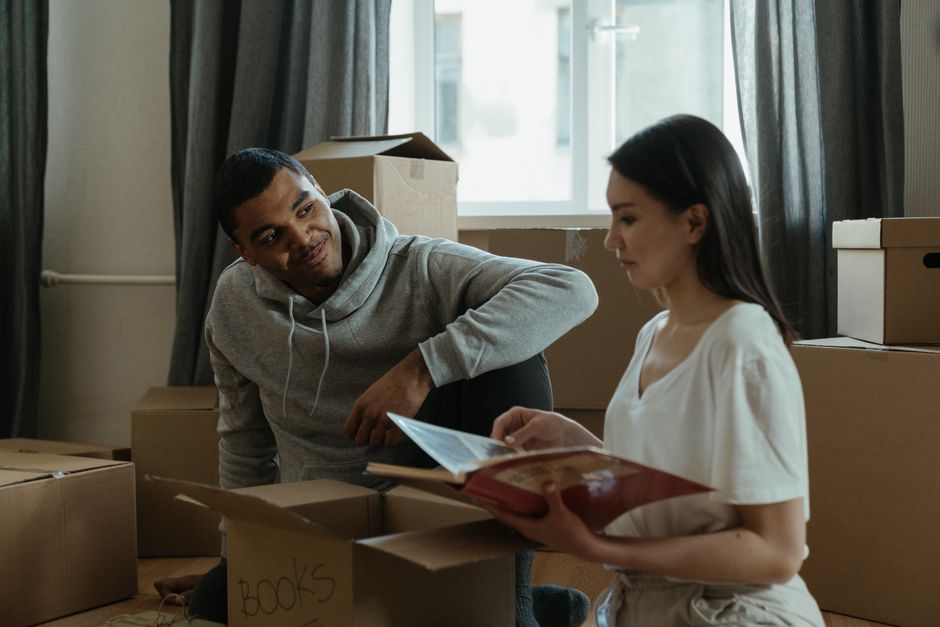
Knowing how to unpack after a move is just as important as knowing how to pack — yet most people treat it as an afterthought. You spend weeks planning, organizing, and loading boxes onto a truck, and then the truck arrives at the new address and everything lands in a pile. The boxes are there. The furniture is there. But there's no plan for what comes next, and the result is a new home that feels chaotic for weeks. At Superior Moving & Storage, we've helped thousands of families relocate across Philadelphia, New Jersey, Delaware, and beyond — and the customers who settle in fastest are the ones who approach unpacking with the same intentionality they brought to packing. This guide gives you a clear, room-by-room framework for unpacking efficiently so your new house starts feeling like home as quickly as possible.
Unpacking isn't just about emptying boxes. It's about making deliberate decisions about where things live in your new space, establishing routines from day one, and avoiding the trap of "I'll deal with that box later" — which, as anyone who has moved knows, can mean months of living around half-unpacked rooms. Here's how to do it right.
Before You Open a Single Box: Set Yourself Up for Success
The most common unpacking mistake is diving straight into boxes the moment they arrive. That impulse is understandable — you want your home to feel livable — but unpacking without a plan creates a second layer of chaos on top of the first. A few minutes of preparation before you start will save hours of frustration later.
Walk the Space First
Before touching any boxes, walk through every room. Note which rooms the movers placed furniture in, whether anything needs to be repositioned before boxes go in, and whether there are any immediate issues — a piece of furniture blocking a doorway, a box in the wrong room — that need to be corrected before you start layering in more items. If you used a professional packing service, your boxes should be labeled clearly by room; a quick walkthrough lets you confirm everything landed where it belongs.
Confirm Your Box Labels Match Your Rooms
Check that labeled boxes are in the rooms they belong to before you start unpacking. It's far easier to redirect a box labeled "master bedroom" from the hallway than to carry individual items back through the house after you've already opened everything. Ask your movers to place boxes in the correct rooms before they leave — this is standard practice and saves real time during unpacking.
Gather Your Unpacking Supplies
You'll need a box cutter or scissors, garbage bags for packing paper and cardboard, and a designated spot near the door for empty boxes. Keep these supplies accessible throughout the process. One of the biggest unpacking slowdowns is wading through discarded packing materials to find items and flat surfaces to work on.
The Order Matters: Which Rooms to Unpack First
Not all rooms are equally urgent. The order in which you unpack directly affects how comfortable and functional your home feels in the first 24 to 48 hours. Prioritize spaces that serve your daily needs over spaces that are purely about decor or organization.
1. Bedroom
Your bedroom should be the very first room you unpack — not the living room, not the kitchen. Why? Because at the end of moving day, you need to sleep. If your bed isn't made up and your bedroom isn't functional, you'll be exhausted and unable to find what you need at the worst possible moment. Set up the bed frame, mattress, and bedding first. Unpack a small nightstand essentials kit — phone charger, lamp, alarm clock, whatever you need within arm's reach at night. Clothing can wait until day two; sleeping arrangements cannot.
2. Bathroom
The bathroom is the second most urgent space. You'll need toiletries, towels, and basic hygiene items functioning before anything else. Unpack your "open first" bathroom box — the one that has toilet paper, hand soap, a shower curtain if needed, towels, and your daily toiletries. If you didn't pack a dedicated bathroom essentials box, prioritize finding those items in whatever boxes contain them before moving on to anything else.
3. Kitchen
The kitchen is the most complex room to unpack because it involves the most decisions: where do things live in this new layout? Don't rush it. Start with the essentials — coffee maker, a few dishes, glasses, basic cookware, and utensils — so you can make a meal or a cup of coffee on day one. Then work methodically through cabinets, placing items in logical groupings. Resist the urge to find a permanent home for every item immediately; it's normal to rearrange kitchen organization over the first few weeks as you learn how you move through the space.
4. Living Room
The living room is important for daily comfort but less operationally urgent than the bedroom, bathroom, and kitchen. Focus first on getting furniture positioned correctly — this is the hardest thing to adjust once boxes are stacked around it. Once the sofa, chairs, and media setup are in place, you can unpack décor, books, and personal items at a more relaxed pace.
5. Home Office
If you work from home, your office becomes high priority and should jump ahead of the living room in your sequence. Getting your desk, computer, and work setup functional within the first day or two prevents work disruption. If your home office is primarily a storage or hobby space, it can wait until the living areas are established.
6. Garage, Storage Areas, and Secondary Rooms
Garages, basement storage areas, guest rooms, and hobby rooms come last. These spaces don't affect daily function in the same way, and it's perfectly acceptable for them to remain partially unpacked for a week or two while you focus on the primary living spaces. If you're using a storage unit to bridge the gap during your move, our storage services can keep overflow items secure until you're ready to integrate them into the new home on your own timeline.
Room-by-Room Unpacking Strategies
Once you have your order established, each room benefits from a specific approach. Here's how to unpack each space efficiently.
Kitchen: Systems Before Stuff
Before filling cabinets, decide where categories of items will live: dishes near the dishwasher, pots near the stove, pantry items grouped by type. Establishing a rough system before placing items means you won't need to reorganize everything a week later when you realize the coffee cups are on the opposite side of the kitchen from the coffee maker. Line shelves if that's your preference before placing items — it's nearly impossible to do after. Unpack in this order: cookware and baking items, dishes and glasses, small appliances, pantry, then utensils and miscellaneous.
Bedroom: Function Before Aesthetics
After the bed is set up, focus on clothing storage — getting clothes hung or folded into drawers restores a sense of normalcy faster than almost anything else. Then address bedside items: lamps, books, anything you typically keep within reach. Decorative items, wall art, and personal touches can wait until the functional elements are in place. Don't feel pressure to hang every picture frame on day one.
Bathroom: Complete One Bathroom Fully First
If you have multiple bathrooms, choose one to complete fully before starting on the others. A half-unpacked bathroom is more frustrating than an untouched one. Get everything into place — toiletries organized, towels hung, cleaning supplies under the sink — and then replicate that process in each additional bathroom.
Living Room: Furniture First, Décor Second
Position all major furniture before unpacking any boxes in the living room. Once you're satisfied with the layout, unpack media and entertainment items (TV, speakers, remotes), then books and shelving items, then décor. Wall art and personal items come last — and there's no rule that says they need to be hung in the first week.
Managing the Unpacking Pace Without Burning Out
Unpacking an entire home in one day is rarely possible and almost never advisable. The physical and mental energy required to move and unpack simultaneously is enormous, and pushing through exhaustion leads to poor placement decisions that you'll have to redo later. A more sustainable approach is to establish a daily goal — finish one room, or unpack a fixed number of boxes — and stop when you reach it.
Most people find that the first three days are the most intense, and a home feels livably functional within a week if they work steadily. "Livable" doesn't mean completely unpacked and decorated — it means the spaces you use daily are functional and comfortable. The remaining boxes can be worked through over the following weeks.
One practical strategy: set a rule that no room gets used until it's at least partially unpacked. Leaving boxes stacked in a room and using it anyway makes it harder to finish unpacking later — the items in use become obstacles and the boxes become invisible background clutter. Finish one room, then move to the next.
What to Do With Packing Materials as You Go
Packing materials accumulate faster than most people expect. Bubble wrap, packing paper, cardboard boxes, and foam padding can fill an entire room within a few hours of unpacking. Have a system in place before you start:
- Cardboard boxes: Break them down flat as soon as they're empty. Stack them in a designated spot — near the front door, in the garage — so they don't crowd your living space.
- Packing paper and bubble wrap: Bag these as you go. A large garbage bag near your unpacking area keeps paper and plastic from spreading across the floor.
- Reusable items: If you rented moving crates, the rental company will arrange pickup — set those aside in a designated staging area rather than mixed in with cardboard.
- Disposal: Most municipalities accept broken-down cardboard in recycling. Check your new area's recycling guidelines if you're unfamiliar with them.
The Items That Always End Up in the Last Box
Every move has one: the box of miscellaneous items that didn't fit neatly into any category. Random tools, odd kitchen items, papers that need to be filed, décor that hasn't found a home yet. Don't ignore this box — it has a way of sitting unopened in a corner for months. Set a deadline to deal with it: within two weeks of moving in, open the box and make a decision about every item. Put it away, donate it, or discard it. A single dedicated hour spent on that last box prevents months of low-grade clutter.
Moving into a new home is a fresh start — and unpacking with intention rather than urgency is what turns a house full of boxes into a home. If you're preparing for an upcoming move and want the unpacking process to be as smooth as possible, working with our local moving team means your items arrive organized, labeled, and placed in the right rooms from the start.
Frequently Asked Questions
What should I unpack first when moving into a new home?
Start with your bedroom and bathroom — these are the two spaces you'll need functional on your very first night. Get the bed assembled and made up, and set up a basic bathroom kit (toilet paper, towels, toiletries) before tackling the kitchen or any other room. Having a place to sleep and clean up after a long moving day makes everything else easier to approach the following morning.
How long does it realistically take to fully unpack after a move?
For most households, the primary living spaces — bedroom, bathroom, kitchen, and living room — become functionally livable within three to seven days of steady unpacking. Full completion, including décor, secondary rooms, and storage areas, typically takes two to four weeks. The timeline depends on household size, how well items were labeled and organized during packing, and how much time you can dedicate each day.
Should I unpack everything myself or hire professionals?
It depends on your timeline, budget, and the complexity of your move. Professional unpacking services can significantly reduce the time it takes to get settled — crews are experienced at organizing efficiently and can have a home functional in a fraction of the time it takes most people working alone. If you have a tight return-to-work deadline, large quantities of fragile or specialty items, or simply want to reduce moving stress, professional unpacking is worth considering.
How do I handle boxes that were placed in the wrong room?
Before your movers leave, do a quick walkthrough and ask them to relocate any boxes that landed in the wrong room. It's much easier to redirect a box while the crew is still on-site than to carry items across the house yourself after the truck has left. If you discover misplaced boxes after the movers are gone, handle them before you start unpacking — moving a sealed box is far easier than moving an open one.
What's the best way to avoid living out of boxes for weeks after a move?
The most effective strategy is to establish a clear unpacking order, set daily goals, and commit to finishing one room before starting another. Avoid the temptation to open a few boxes in every room simultaneously — it creates the illusion of progress without actually completing any space. Also, resist leaving anything 'for later' that you'll need daily: clothes, kitchen basics, and bathroom items should all be fully unpacked within the first two days.
Have Questions About Your Move?
Find clear answers to common moving questions. Learn more about our services, process, and what to expect on moving day.
Our team is here to help. Contact us for personalized assistance with your moving needs.
Ready for a Stress-Free Move?
Let our family help your family with a move handled the right way from start to finish. Request your free quote today and see why Philadelphia families have trusted us since 1981.