.webp)
How to Pack for a Move: Room-by-Room Packing Guide
Written by:
Superior Moving & Storage
Published:
June 11, 2026
Learn how to pack for a move room by room with expert tips from Superior Moving & Storage. Save time, protect your belongings, and arrive organized.
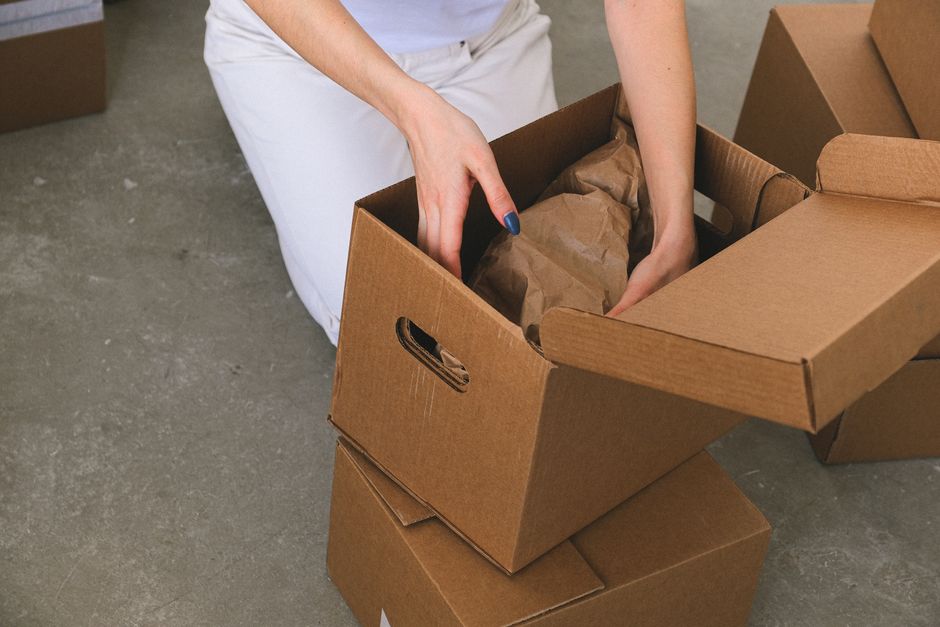
Knowing how to pack for a move can save you hours of frustration on moving day — and protect your belongings from damage along the way. Whether you're relocating across Philadelphia or making a long-distance move, a smart packing strategy is just as important as hiring the right movers. At Superior Moving & Storage, we've seen firsthand how a well-packed home makes every stage of a move faster, easier, and far less stressful.
This room-by-room packing guide breaks down exactly what to do, in what order, and with which materials. Follow these steps and you'll arrive at your new home with everything intact and easy to unpack.
Start with the Right Supplies
Before you pack a single item, gather your materials. Running out of boxes or tape mid-pack is one of the most common moving day mistakes. Here's what you'll need:
- Boxes in multiple sizes — small boxes for heavy items like books, large boxes for lightweight bulky items like pillows and bedding
- Packing tape and a dispenser — don't rely on a single roll; buy several
- Bubble wrap and packing paper — for fragile items and filling void space
- Permanent markers — label every box with contents and destination room
- Color-coded labels or stickers — one color per room makes unloading dramatically faster
- Mattress bags and wardrobe boxes — protect large soft goods from dirt and moisture
If you'd prefer to skip the supply hunt entirely, consider exploring our professional packing services — our team arrives with everything needed and handles the packing from start to finish.
The Golden Rules of Packing
Before diving into each room, keep these principles in mind throughout the entire process:
Pack Heavy Items in Small Boxes
Books, tools, and canned goods are dense. A large box full of books becomes nearly impossible to lift safely. Use small boxes for anything heavy, and reserve large boxes for lightweight items like linens, towels, and lampshades.
Fill Every Box Completely
Partially filled boxes collapse under weight and are more likely to shift and break their contents. Fill empty space with packing paper, towels, or clothing to keep items snug and the box structurally sound.
Label Every Single Box
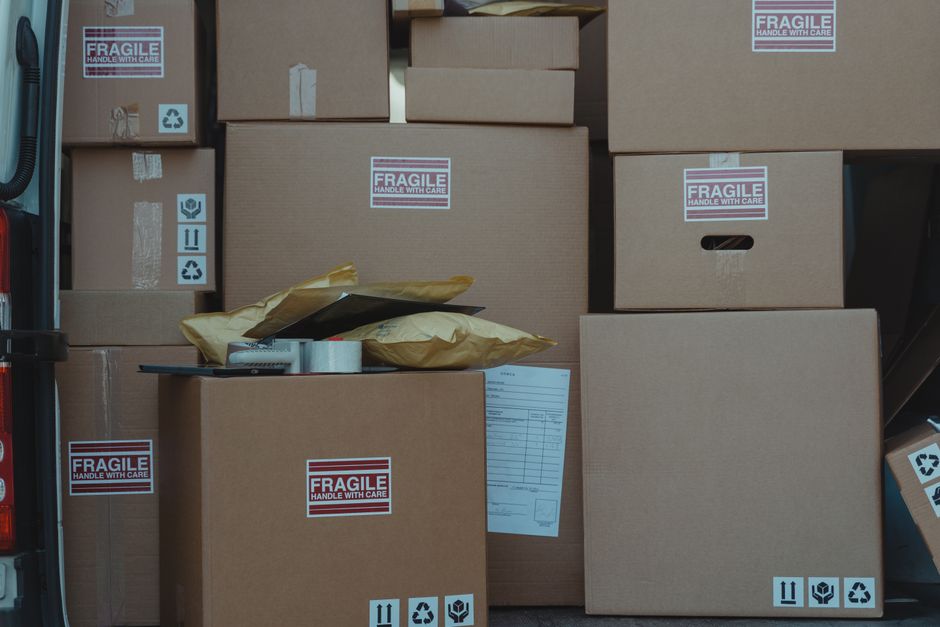
Write the contents and destination room on the top and at least one side of each box. When boxes are stacked in a truck or storage unit, side labels are your only readable reference. Mark fragile boxes in large letters on all sides.
Pack an Essentials Box Last
Set aside one clearly labeled box (or bag) containing everything you'll need during the first 24 hours in your new home: phone chargers, toiletries, a change of clothes, medications, snacks, paper towels, and basic cleaning supplies. This box should be the last thing loaded and the first thing off the truck.
Room-by-Room Packing Breakdown
Kitchen
The kitchen is typically the most time-consuming room to pack. Start here early — ideally two weeks before moving day — since it contains the most fragile and irregularly shaped items.
- Wrap dishes individually in packing paper and pack them vertically (like records), not flat — vertical stacking reduces breakage.
- Use cell divider boxes for stemware and wine glasses.
- Wrap pots and pans in paper and nest them together; pad the inside of each with a cloth or paper towel.
- Pack pantry items you plan to keep in sturdy boxes; consider donating anything you don't want to move.
- Drain and dry small appliances before packing; use their original boxes if available, or wrap them snugly in bubble wrap.
Living Room
The living room typically contains a mix of large furniture, electronics, and fragile décor. Start with the decorative items you use least.
- Take photos of your TV and entertainment center wiring before disconnecting anything — you'll thank yourself later.
- Wrap TVs and monitors in moving blankets or their original boxes; never lay flat-screen TVs flat in a truck.
- Pack books in small boxes with spines facing down to protect binding.
- Wrap artwork and mirrors in paper, then sandwich between cardboard and label "FRAGILE — DO NOT LAY FLAT."
- Disassemble what you can (shelving units, media stands) and bag all hardware in labeled zip-lock bags taped to the furniture.
Bedrooms
Bedrooms are often easier to pack once you've built momentum in the kitchen and living room. Tackle one bedroom at a time to stay organized.
- Use wardrobe boxes to keep hanging clothes on their hangers — no folding, no wrinkling.
- Pack off-season clothing, extra bedding, and decorative pillows in large boxes or vacuum-seal bags to save space.
- Wrap jewelry and small valuables individually and pack them in a personal bag you keep with you during the move.
- Disassemble bed frames and secure all bolts and slats in a labeled bag taped to the headboard.
Bathrooms
Bathrooms are quick to pack but prone to leaks. A little extra care here prevents a lot of mess in the truck.
- Seal the lids on shampoos, lotions, and liquid products with plastic wrap before replacing caps, then place bottles in zip-lock bags.
- Dispose of expired medications, old toiletries, and products you won't realistically use in your new home.
- Pack towels and washcloths — they double as excellent padding for fragile items in other boxes.
Home Office
Your home office likely contains sensitive documents, electronics, and equipment that needs careful handling.
- Back up computers and external hard drives before packing — this is non-negotiable.
- Pack computers, monitors, and printers in their original boxes if possible, or wrap thoroughly in bubble wrap and mark clearly.
- Organize important documents in a clearly labeled folder or binder you keep in your personal vehicle, not the moving truck.
- Label and photograph all cable setups before disassembly.
Garage and Utility Areas
These spaces are often left to the last minute and then rushed. Give them more time than you think you'll need.
- Drain power equipment (lawn mowers, trimmers) of all fuel before moving — this is a safety requirement most moving companies enforce.
- Pack tools in small, sturdy boxes; wrap sharp tools or blades in thick paper or cardboard to protect handlers.
- Use original boxes for power tools when available; otherwise wrap in moving blankets.
- Safely dispose of or donate any hazardous materials (paint, chemicals, propane) that cannot legally be transported.
When to Call in Professional Help
Packing an entire home is physically demanding and time-intensive. Many families find that handling even part of the packing themselves while leaving the rest to professionals strikes the best balance of cost and convenience.
Our full and partial packing services are designed to fit any budget and timeline. If you have high-value items — antiques, artwork, pianos, or fragile heirlooms — our team also offers specialty moving services with custom crating and handling to match the item's specific needs.
For those who simply need extra hands on moving day without a full-service package, our labor-only moving services provide professional muscle on your schedule.
Packing Tips for Specific Situations
Moving with Kids
Pack a "kids' essentials" bag with their favorite toys, snacks, and comfort items accessible at all times during the move. Having familiar things close at hand can ease the emotional transition for children of all ages.
Moving with Pets
Keep your pet's food, water bowl, leash, and comfort items unpacked and accessible. Avoid packing their belongings until the very last moment to help minimize their stress during the transition.
Moving into Storage
If any of your belongings are going into storage before or after your move, pack those items with long-term storage in mind: use plastic bins over cardboard where possible, include moisture absorbers, and label every container clearly. Learn more about how storage services can support your move timeline.
A Final Word on Packing Smart
There's no single right way to pack for a move, but there are plenty of wrong ways — overpacked boxes, unlabeled cartons, and fragile items wrapped in newspaper ink that transfers onto your belongings. Take your time, follow the room-by-room approach, and don't hesitate to ask for help when you need it.
At Superior Moving & Storage, we're here to make every phase of your move as smooth as possible — from the first box packed to the last piece of furniture placed in your new home.


Have Questions About Your Move?
Find clear answers to common moving questions. Learn more about our services, process, and what to expect on moving day.
Our team is here to help. Contact us for personalized assistance with your moving needs.
Ready for a Stress-Free Move?
Let our family help your family with a move handled the right way from start to finish. Request your free quote today and see why Philadelphia families have trusted us since 1981.