
How Many Movers Do You Actually Need for Your Move?
Written by:
Superior Moving & Storage
Published:
October 26, 2026
Not sure how many movers to book? Learn how home size, stairs, and heavy items change crew size so you book the right team and avoid delays.
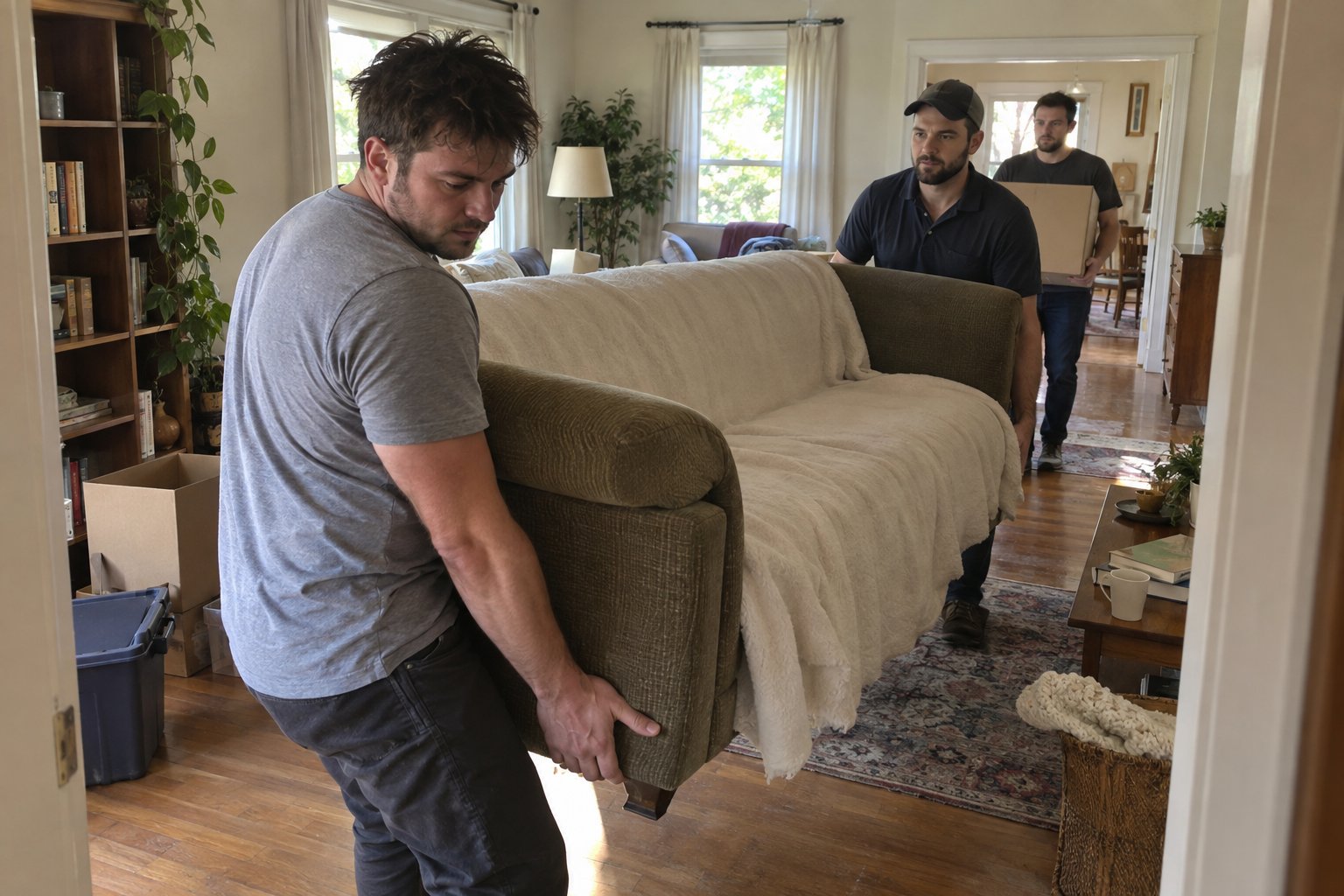
Most local moves need two to four movers, and the right number depends less on square footage than on how much heavy furniture you own, how many stairs are involved, and how tight your timeline is. Booking too few movers is one of the most common reasons a move runs long, costs more in labor hours, or ends with someone getting hurt trying to force a dresser around a corner. This guide breaks down crew size by home type and by the specific factors that push you up or down from the baseline.
How Many Movers Do You Need for a Studio or One-Bedroom?
A studio or one-bedroom apartment typically needs two movers. That's enough to carry a mattress, a couch, boxes, and small furniture without excessive trips, as long as there isn't a long carry distance or multiple flights of stairs involved.
If your building has a walk-up with three or more flights, or the parking situation means a long walk from the truck to the door, consider a third mover. The extra person doesn't just speed things up, it keeps the other two from overexerting themselves on repeat trips, which is when injuries and dropped boxes happen.
How Many Movers Do You Need for a 2-Bedroom Apartment or Small House?
A two-bedroom apartment or small house generally calls for three movers. This size home usually includes a few large pieces (a sectional, a bedroom set, a dining table) along with enough boxes that two people alone would be working well into the evening.
Three movers let one person focus on wrapping and protecting furniture while the other two carry, which keeps the pace steady instead of stopping and starting. If your two-bedroom has a finished basement or a detached garage full of boxes, treat it like a three-bedroom for crew sizing purposes.
How Many Movers Do You Need for a 3-Bedroom House or Larger?
A three-bedroom house or larger typically needs four or more movers. At this size, the volume of furniture and boxes is large enough that a smaller crew would take most of a full day, and fatigue starts affecting how carefully items get handled in the afternoon.
For four-bedroom homes, homes with finished basements, or houses with a lot of heavy furniture concentrated upstairs, five or six movers is often worth it. A bigger crew on a bigger job usually finishes in less total labor time than a small crew would, because more hands can move in parallel instead of queuing at the truck.
What Factors Push You to a Bigger Crew?
Stairs, heavy or oversized furniture, and long carry distances are the three biggest reasons to add a mover beyond the standard recommendation for your home size. Each one slows a small crew down disproportionately, because it turns a quick carry into a multi-person job.
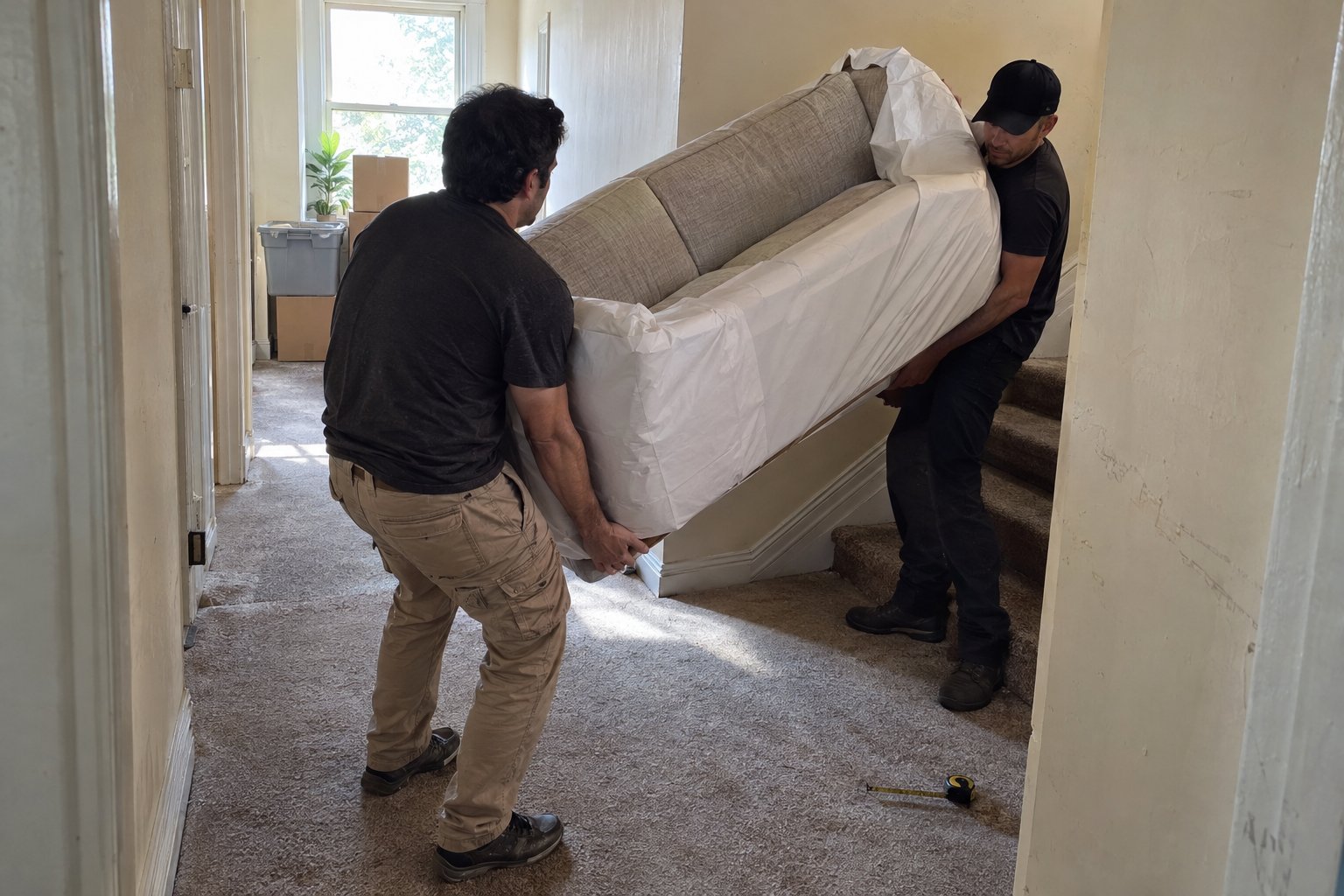
- Stairs and tight stairwells: Every flight adds time and risk. Narrow or turning staircases often require extra hands just to navigate a couch or mattress safely.
- Heavy or oversized pieces: Solid wood furniture, large sectionals, and appliances need more than two people to carry safely, regardless of how many rooms are in the home.
- Long carry distances: If the truck can't park close to the door, a long walk to a loading dock or down a long driveway adds time that more movers can offset.
- Tight deadlines: If you're working around a strict elevator reservation window or a building's move-in time limit, a larger crew compresses the job into less time.
If several of these apply at once, it's worth mentioning them when you request a quote so the crew size matches the actual job, not just the bedroom count.
Do You Need More Movers If You're Doing a DIY Truck Rental?
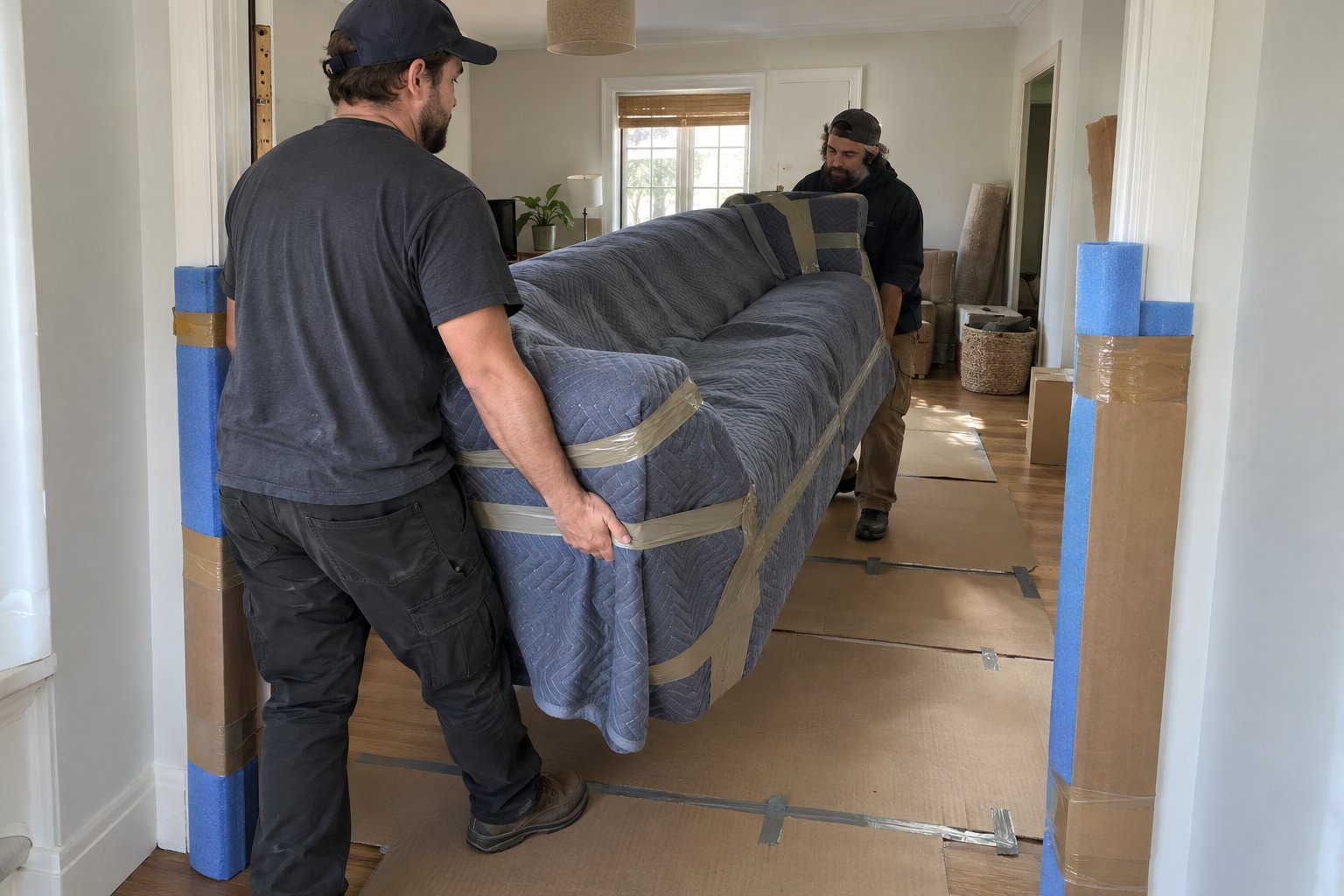
Yes, a DIY move with rented labor usually needs more people than a full-service move with professional movers, because inexperienced helpers move slower and tire faster. What takes two trained movers a few hours can take four friends most of a day, especially once furniture needs to be protected and carefully navigated through doorways.
If you're leaning toward hiring help just for the heavy lifting rather than a full crew, it's worth comparing what each option actually includes before you decide. Our guide on choosing between full-service movers and labor-only help walks through when each approach makes sense.
How Crew Size Affects Your Quote
Crew size is one of the main variables in a moving estimate, along with the number of hours and any specialty equipment needed. A larger crew costs more per hour but often finishes faster, so the total labor cost can end up similar to a smaller crew working a longer day. This is one of several line items worth understanding before you book. Our guide to reading a moving quote explains how crew size, hours, and materials typically show up on an estimate.
Because every home is different, the only reliable way to know your exact crew size is to describe your home, your stairs, and your heaviest items to a mover directly. If you're moving within the Philadelphia area or into New Jersey or Delaware, our local moving company team can walk through those details with you before move day.
Moving Heavy or Awkward Items Changes the Math
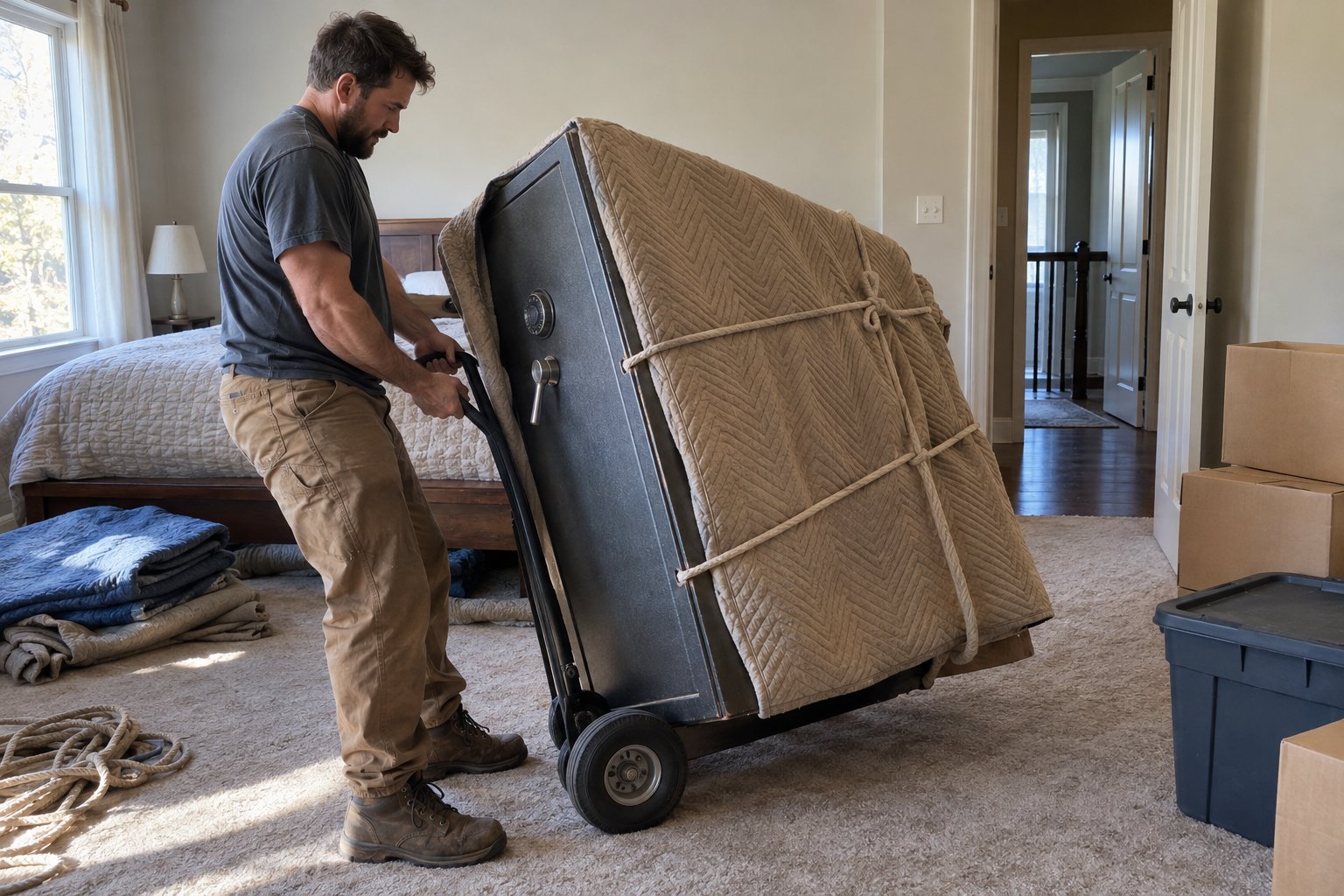
Specific items like pianos, gun safes, or large appliances can require a different crew configuration than the rest of your move, sometimes including specialized equipment rather than just extra people. If your move includes one of these pieces, plan for it separately from your general crew size estimate.
For example, moving a piano safely usually calls for a dedicated plan beyond a standard crew count. Our guide on moving a piano covers what that typically involves. The same logic applies to any single item heavy enough that it could injure someone or damage a stairwell if handled by the wrong number of people.
Getting the Right Crew Size for Your Move
The fastest way to land on the right number is to get specific about your home rather than guessing from bedroom count alone. Mention your stairs, your heaviest furniture, your parking situation, and your timeline when you request a quote, and a mover can recommend a crew size built around your actual move instead of a generic average.
Ready to find out what your move needs? Get a moving quote and describe your home so we can recommend the right crew size before moving day.
Frequently Asked Questions
How many movers do I need for a one-bedroom apartment?
Two movers are usually enough for a one-bedroom apartment, assuming a standard elevator or a single flight of stairs. Add a third mover if you're on a high floor without elevator access or have a long walk from the parking area to your door.
Is it cheaper to hire fewer movers for more hours?
Not always. A smaller crew working longer often ends up costing close to the same as a larger crew finishing faster, since total labor hours matter more than headcount alone. It's worth asking for both options when you request a quote.
Do I need extra movers if I have a lot of stairs?
Yes. Stairs, especially narrow or turning staircases, slow a crew down significantly and often require an extra person just to navigate large furniture safely. Mention your stairs specifically when booking so the crew size accounts for them.
Can two movers handle a three-bedroom house?
It's possible but usually not efficient. Two movers in a three-bedroom home typically means a much longer day and more fatigue late in the move, which increases the risk of dropped items or furniture damage. Three to four movers is the more realistic range for that size home.
Should I tell the moving company about heavy items in advance?
Yes. Items like solid wood furniture, large appliances, or anything unusually heavy can change how many movers or what equipment is needed. Flagging these before moving day helps the crew show up prepared instead of improvising on the spot.

Have Questions About Your Move?
Find clear answers to common moving questions. Learn more about our services, process, and what to expect on moving day.
Our team is here to help. Contact us for personalized assistance with your moving needs.
Ready for a Stress-Free Move?
Let our family help your family with a move handled the right way from start to finish. Request your free quote today and see why Philadelphia families have trusted us since 1981.